
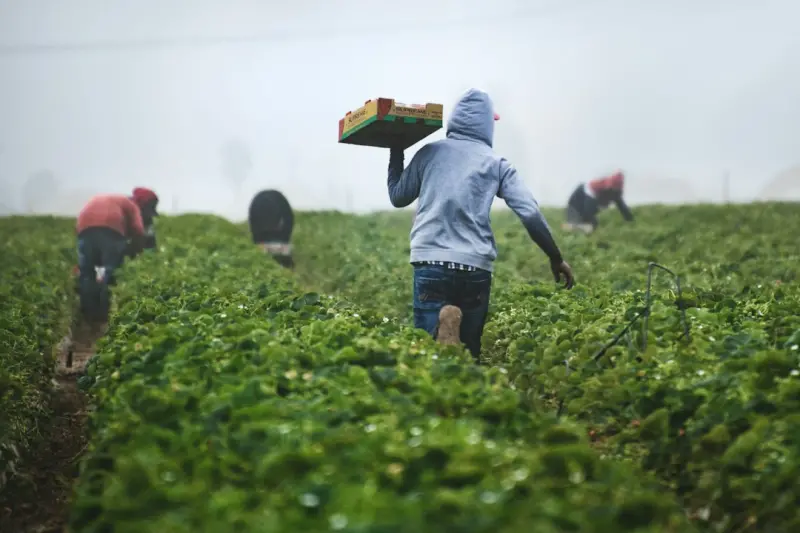
Why Regeneration Isn’t Just a Buzzword Anymore
For generations, Canadian farmers have been the quiet custodians of some of the world’s most fertile land—from the wheat‑golden prairies of Saskatchewan to the mixed‑fruit orchards of the Okanagan. Today, a new narrative is taking root: regenerative agriculture. It’s more than a set of practices; it’s a mindset shift that blends centuries‑old Indigenous stewardship with cutting‑edge technology to create farms that heal the soil, sequester carbon, and diversify income streams.
Indigenous Knowledge: The Original Blueprint for Regeneration
Before the first plow scratched the prairie, Indigenous peoples managed the land through intentional fire regimes, polyculture planting, and seasonal migrations of livestock. These practices maintained biodiversity, reduced pest pressure, and promoted deep root systems that stored moisture for harsh winters.
Modern farmers are now collaborating with First Nations knowledge keepers to re‑integrate these principles. For example, controlled burns in the boreal forest are being used to clear invasive weeds without chemicals, while planting inter‑cropped native beans and berries restores nitrogen naturally and provides an extra marketable crop.
Covering the Soil: From No‑Till to Cover Crops
One of the most tangible ways to boost soil health is to keep the ground covered year‑round. No‑till drills, combined with a rotating mix of rye, mustard, and legumes, create a living mulch that protects against erosion, improves water infiltration, and feeds the soil microbiome.
- Root depth matters: Deep‑rooted cover crops push organic matter deeper, where it’s less vulnerable to surface disturbances.
- Carbon capture: A hectare of well‑managed cover crops can sequester up to 2.5 tonnes of CO₂ annually.
- Economic upside: Farmers can sell harvested cover crops as high‑protein feed or specialty grains, creating a secondary revenue stream.
Tech‑Enabled Soil Monitoring
While the principles are age‑old, the tools are brand‑new. Sensors embedded in the root zone now transmit real‑time data on moisture, temperature, and microbial activity to a farmer’s smartphone. This digital twin of the field lets growers make precise decisions—like when to irrigate or apply compost—without guesswork.
Integrating these data streams with subscription‑based input services means that the exact amount of seed, fertilizer, or biostimulant arrives when it’s needed, reducing waste and lowering input costs.
Financial Resilience in an Inflationary Climate
Rising fuel prices, labor shortages, and volatile grain markets have made budgeting a moving target. Regenerative farms, however, often enjoy lower input expenses and higher premiums for “eco‑friendly” products. By diversifying crops—adding pulse beans, heirloom tomatoes, and even honeybees—farmers spread risk across multiple markets.
Tools that adjust budgets for inflation, like the one discussed in inflation‑adjusted budgeting platforms, are becoming essential. They help producers forecast cash flow under various price scenarios, ensuring that the farm remains solvent even when commodity prices dip.
Community‑Based Marketing: Cutting Out the Middleman
Direct‑to‑consumer (DTC) models are gaining traction as consumers crave transparency about where their food comes from. Farm‑managed online storefronts allow producers to set fair prices, tell the story of their regenerative journey, and build loyal customer bases.
- Subscription boxes: Monthly “soil‑to‑table” boxes featuring seasonal produce and value‑added items like fermented sauces.
- Farm‑share programs: Community members purchase a share of the harvest, providing upfront capital for the growing season.
- Co‑op aggregators: Small farms band together to meet bulk‑order requirements of grocery chains while retaining control over branding.
These channels not only improve cash flow but also reinforce the narrative that regenerative farms are stewards of both the environment and the community.
Building Resilience Against Climate Extremes
Canada’s climate is shifting—longer droughts in the Prairies, heavier rains on the Atlantic coast, and more erratic frosts across the country. Regenerative practices act as a buffer:
- Water retention: Organic matter in the soil can hold up to three times more water than mineral soil alone.
- Windbreaks: Planting native trees along field edges reduces wind erosion and creates microclimates for pollinators.
- Soil carbon: Increased carbon stocks improve soil structure, making it less prone to cracking in dry spells.
When a drought strikes, farms with higher organic matter can sustain yields longer, reducing the need for expensive supplemental irrigation.
Women Leading the Regeneration Wave
While agriculture has traditionally been male‑dominated, women are emerging as innovators in the regenerative space. From designing low‑impact irrigation systems to spearheading community seed banks, their contributions are reshaping the industry’s gender dynamics.
Organizations like FarmHer Canada offer mentorship programs that connect female growers with agronomists and technology partners, fostering a supportive ecosystem that accelerates adoption of regenerative techniques.
Policy Landscape: Incentives and Gaps
Federal and provincial governments are beginning to recognize the climate benefits of regenerative agriculture. Programs that offer carbon credit payments, low‑interest loans for soil health equipment, and tax incentives for diversified farms are emerging.
However, gaps remain. Many small‑scale producers struggle to navigate the complex paperwork required to claim credits. Streamlined, digital application portals—potentially built on the same platforms that host the subscription services mentioned earlier—could lower barriers and accelerate uptake.
Measuring Success: Beyond Yield
Traditional metrics focus solely on bushels per acre, but regenerative farms evaluate a broader set of indicators:
- Soil organic carbon (SOC) levels – tracked annually with simple field kits.
- Biodiversity indexes – counting pollinator species and beneficial insects.
- Economic diversification score – measuring the proportion of income from non‑grain sources.
These metrics provide a holistic view of farm health, helping producers make informed decisions and communicate impact to consumers and investors.
Future Outlook: Scaling Regeneration Across Canada
The convergence of Indigenous knowledge, advanced sensing technology, and community‑centric business models is creating a fertile environment for regeneration to scale. As more farms demonstrate tangible benefits—higher profit margins, reduced carbon footprints, and stronger community ties—the momentum will only grow.
Investors, policymakers, and consumers all have a role to play. By supporting regenerative farms through purchase decisions, funding research, and crafting enabling policies, Canada can position its agriculture sector as a global leader in climate‑smart food production.

Related Posts
Regenerative Roots: Canadian Farmers Turning Fields into Climate Allies
Canadian growers are embracing regenerative agriculture—cover crops, reduced tillage, diverse rota... Read More
Powering the Prairie: How Canadian Farmers Are Turning Fields into Renewable Energy Hubs
Canadian farmers are pioneering renewable energy projects—wind turbines, solar arrays, biogas dige... Read More

From Soil Sensors to Community Grids: How Canadian Farmers Are Redefining Resilience
A deep dive into the digital transformation of Canadian agriculture, showing how soil sensors, micro... Read More
Top Posts

The Unconventional Playbook for a Memorable Prom and Graduation
A fresh perspective on prom and graduation planning that blends startup budgeting, eco‑friendly attire, tech‑driven organization, digital memory keeping, an...Read More

Digital Sabbaths: The Unexpected Health Hack Your Team Needs
A digital sabbath—structured screen‑free time—offers a science‑backed solution to burnout, enhancing mental health, sleep, and employee performance whil...Read More

Digital Therapeutics: The Software That’s Changing Personal Health
Digital therapeutics transform health from reactive to proactive, blending clinical validation, adaptive experience loops, and purpose‑driven storytelling to ...Read More

Beyond Rent: Unpacking the Hidden Layers of Today’s Cost of Living
A deep dive into the unseen costs shaping modern living, from subscription overload to remote‑work relocation, offering practical, data‑driven steps to recl...Read More
0 Comments
Post Comment
You will need to Login or Register to comment on this post!