
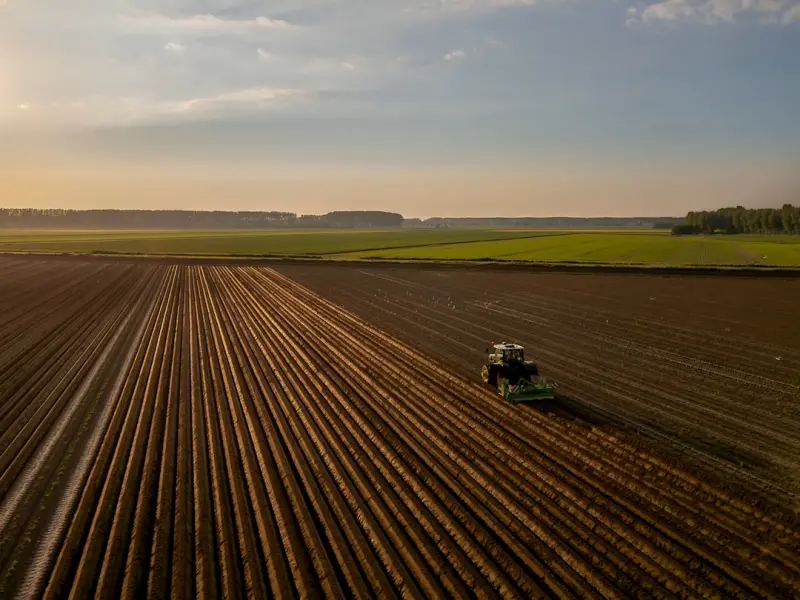
When I first walked the red‑soil fields of my grandparents’ farm in southwestern Ontario, I felt the pulse of a landscape that had been feeding families for generations. Today, that same soil is buzzing with a new kind of energy—one that mixes age‑old Indigenous stewardship, cutting‑edge data tools, and a growing appetite for climate‑positive products. As a farmer‑turned‑writer, I’m witnessing a quiet revolution that’s reshaping the Canadian agricultural map, and I’m excited to share why this shift matters to every consumer, policymaker, and fellow grower.
Regenerative Farming Isn’t Just a Buzzword—it’s a Survival Strategy
For decades, the conventional wisdom of maximizing yields through synthetic inputs has left our soils depleted and our water cycles strained. Regenerative agriculture flips that script. By prioritising soil health, biodiversity, and carbon sequestration, farmers can restore ecosystem services while maintaining profitability.
Key practices include:
- Cover cropping to protect soil from erosion and to fix nitrogen naturally.
- Reduced tillage, which preserves soil structure and encourages beneficial microbes.
- Integrated livestock grazing, a method that mimics natural herd movements to stimulate plant growth and distribute manure evenly.
What started as an experimental plot in the Prairies has now blossomed into a province‑wide movement. In British Columbia, vineyards are adopting regenerative vines that produce richer grapes with fewer chemicals, while in the Atlantic provinces, small‑scale berry farms report higher yields after introducing perennial hedgerows.
Bridging Indigenous Knowledge and Modern Science
One of the most profound lessons I’ve learned on this journey is the power of Indigenous stewardship. Nations such as the Anishinaabe and the Mi'kmaq have long understood the reciprocal relationship between people and the land. Their practices—like seasonal planting calendars and the use of “three sisters” (corn, beans, squash) intercropping—offer time‑tested solutions for building resilient agro‑ecosystems.
Collaborative research projects are now pairing elders with agronomists to translate these teachings into scalable models. For example, a recent pilot in the Yukon combined traditional fire‑managed meadow restoration with satellite‑derived soil moisture data, resulting in a 30% increase in forage productivity.
These partnerships not only honour cultural heritage but also unlock innovative approaches that pure laboratory research often overlooks. The synergy between oral histories and data analytics is becoming a cornerstone of Canada’s climate‑smart farming agenda.
Technology That’s Changing the Soil Game
When I first heard the term “digital soil health monitoring,” I imagined a futuristic lab. In reality, it’s as simple as a handheld sensor that measures organic matter, pH, and moisture in real time. Farmers can now upload those readings to cloud platforms, receive actionable insights, and adjust inputs on the fly.
One platform gaining traction across the Prairies integrates weather forecasts, satellite imagery, and sensor data to generate a “soil vitality index.” This index helps growers decide the optimal time for planting, the precise amount of compost needed, and even which crop varieties will thrive under upcoming climate conditions.
Beyond the farm gate, these tools are fostering transparency. Consumers can scan a QR code on a lettuce package and instantly see the carbon footprint, water usage, and regenerative practices employed during its growth. This kind of traceability is building trust and creating a market premium for responsibly grown produce.
Carbon Markets: Turning Good Soil into Good Money
Perhaps the most compelling incentive for adopting regenerative methods is the emerging carbon credit market. Healthy soils can lock away millions of tonnes of CO₂, and governments, as well as private entities, are eager to pay for that service.
In Ontario, a pilot program allows farmers to earn credits for each tonne of carbon sequestered through cover cropping and reduced tillage. Those credits are then sold to corporations looking to offset their emissions. Early adopters report an additional revenue stream that can cover up to 20% of operational costs.
It’s not just about profit, though. The financial incentives are encouraging a broader shift toward sustainable land stewardship, creating a virtuous cycle where ecological health and economic viability reinforce each other.
Building Resilient Communities Through Direct‑to‑Consumer Models
While wholesale contracts with big retailers have traditionally dominated Canadian agriculture, a growing number of farmers are bypassing the middleman altogether. Subscription boxes, farm‑to‑door delivery services, and community‑supported agriculture (CSA) programs are thriving, especially in urban centres like Toronto, Vancouver, and Halifax.
These models give growers a steadier cash flow and a direct line of feedback from the people eating their food. Moreover, they allow consumers to become co‑creators of the agricultural narrative, choosing which crops to prioritize and even influencing planting decisions through online polls.
To illustrate, a dairy farm in New Brunswick launched a “milk‑of‑the‑month” club that pairs fresh milk with seasonal cheese and farm‑grown herbs. Subscribers receive a monthly newsletter detailing the farm’s regenerative practices, the story behind each product, and tips for reducing food waste at home. The result? A loyal customer base that values transparency and is willing to pay a premium for responsibly sourced dairy.
Policy, Partnerships, and the Path Forward
All of these innovations—soil sensors, carbon markets, Indigenous collaborations—require supportive policy frameworks to scale. Federal and provincial governments are beginning to respond. The recent open data initiatives are making agronomic datasets publicly available, empowering small farms with information once reserved for large agribusinesses.
At the same time, there’s a growing awareness of the hidden cost insights associated with agricultural supply chains. Understanding the true environmental and social costs of food production is prompting investors to fund regenerative projects and encouraging retailers to adjust pricing structures.
Finally, community health partnerships—such as those highlighted in recent discussions about community health partnerships—are linking farms directly to local hospitals and schools, providing fresh produce while reinforcing the role of agriculture in public health.
Looking ahead, the convergence of climate urgency, technological accessibility, and cultural revitalisation positions Canadian farmers to lead a global movement toward food systems that are both resilient and regenerative. The soil beneath our boots is telling a new story—one of renewal, collaboration, and hope.

Related Posts
Regenerative Roots: How Canadian Farmers Turn Soil into Climate Solutions
Canadian farmers are reshaping agriculture by adopting regenerative methods that improve soil health... Read More
Cultivating Tomorrow: How Canadian Farmers Harness Data, Community, and Resilience
Canadian agriculture is evolving through data‑driven precision farming, renewable energy integrati... Read More
From Fields to Festivals: Canadian Farmers Embrace Agri‑Tourism
Canadian farms are opening their gates to visitors, turning fields into festivals and creating new r... Read More
Top Posts

The Profound Significance of Red Dress Day: Honoring Indigenous Women and Girls
Every year on May 5th, Canada marks Red Dress Day, also known as the National Day of Awareness for Missing and Murdered Indigenous Women, Girls, and Two-Spirit ...Read More

Hybrid Cruise‑Bus Tours: The Seamless Blend Redefining Modern Travel
Explore the rise of hybrid cruise‑bus tours that merge sea‑side luxury with authentic land excursions, offering seamless, eco‑friendly travel adventures....Read More
From Soil to Silicon: How Canadian Farmers Are Crafting the Future of Food
Canadian farmers are merging age‑old stewardship with cutting‑edge technology—AI, blockchain, renewable energy—to boost yields, cut waste, and build res...Read More

Micro‑Localism: Reducing Your Cost of Living Through Community Sharing
A fresh look at cost of living: learn how hyper‑local sharing, peer‑to‑peer marketplaces, and community financial tools can slash personal expenses while ...Read More
0 Comments
Post Comment
You will need to Login or Register to comment on this post!