
Beyond the Horizon: How Digital Storytelling Is Transforming Cruises and Bus Tours
Imagine stepping onto a cruise ship or hopping onto a scenic bus, and instantly being invited into a narrative that evolves with every mile you travel. No longer are these journeys just about moving from point A to B; they are becoming immersive storyscapes where technology, local culture, and personal preference intertwine. In the past few years, operators have begun to see the value in treating each trip as a living, breathing story rather than a static itinerary. The result? Higher engagement, stronger brand loyalty, and a new revenue stream built around experiences that travelers can’t find anywhere else.
The Rise of Narrative‑Centric Travel
Traditional travel marketing has always leaned on beautiful photography and glossy brochures. Today, the expectation is for a narrative that begins the moment a traveler clicks “book.” This shift is powered by three core trends:
- Real‑time data integration – sensors on board collect information about weather, crowd density, and passenger preferences, feeding that data back into the story engine.
- Interactive media layers – augmented reality (AR), projection mapping, and spatial audio transform common spaces like decks or bus lounges into story stages.
- Personalized plot arcs – AI‑driven recommendation engines curate content that matches each guest’s interests, from culinary folklore to historic anecdotes.
When these elements click, the journey feels less like a schedule and more like a co‑created adventure.
From Boarding Pass to Storyboard
The first touchpoint is the digital ticket. Modern operators are turning the boarding pass into a mini‑storyboard that previews the voyage’s themes. For instance, a Mediterranean cruise might present a “Greek Mythology Trail,” while a Canadian Rockies bus tour could tease a “Gold Rush Quest.” These previews are delivered through mobile apps that double as personal concierges, nudging travelers to set preferences (e.g., “I love maritime legends” or “Show me hidden waterfalls”).
Behind the scenes, a lightweight SaaS platform aggregates the guest’s selections with real‑time operational data. The platform then scripts a dynamic itinerary that can adapt on the fly—if a sudden storm pushes the ship off course, the system swaps a planned sunset narration for a storm‑watching interactive experience, complete with sound‑scapes and on‑deck storytelling.
On‑Board Immersion: The Power of Spatial Storytelling
Once aboard, the magic truly begins. Operators are repurposing common areas as narrative stages:
- Projection‑mapped lobbies that morph into historic ports, guiding guests through a visual timeline as they wait for departure.
- AR‑enhanced decks where a simple glance at the horizon triggers a holographic guide explaining constellations, maritime routes, or marine life.
- Audio‑curated cabins that play location‑specific soundtracks, from bustling market chatter in Marrakech to gentle river currents on a Great Lakes cruise.
These experiences are not static. Sensors detect crowd flow and adjust lighting, volume, and visual intensity to maintain an optimal atmosphere. A bus traveling through a dense forest might dim interior lights and play subtle rustle sounds, making passengers feel as if they’re part of the woodland.
Personalization at Scale: The Role of Intelligent Recommendations
One of the most compelling aspects of this narrative approach is its ability to personalize at scale. By leveraging a recommendation engine similar to those used in streaming services, operators can serve each guest a tailored story arc. For example, a food‑enthusiast might receive a “Culinary Voyage” track that unlocks chef‑led cooking demos, behind‑the‑scenes kitchen tours, and a curated list of regional dishes to sample on port stops.
These recommendations are not limited to entertainment. Health‑focused travelers can opt into a “Wellness Journey” that integrates guided meditation sessions, movement breaks, and even an AI‑driven health coach that suggests stretch routines based on the day’s itinerary and passenger activity levels.
Data‑Driven Storytelling: Turning Insights into New Offerings
Every interaction—whether a passenger scans a QR code for an AR experience or rates a live performance—feeds back into the operator’s analytics hub. This data does more than just improve the current trip; it helps shape future products. Popular story arcs can be packaged as premium add‑ons, while under‑performing segments are refined or retired.
Moreover, the data can be anonymized and offered to destination partners, creating a win‑win ecosystem. Local museums, for instance, could receive insights on which historical narratives resonated most, allowing them to tailor their own exhibits for future visitors.
Monetization Beyond the Ticket
Transforming a journey into a story opens up multiple revenue streams:
- Premium narrative bundles—Guests can purchase themed story packs (e.g., “Pirate Legends” or “Artisan Trails”) that unlock exclusive AR content, specialty dining, and souvenir kits.
- Sponsored story moments—Brands can embed subtle product placements within the narrative, such as a virtual tasting of a new beverage during a “Taste of the Sea” segment.
- Post‑trip digital keepsakes—After the voyage, guests receive a personalized video montage compiled from the story moments they interacted with, which can be shared on social media or purchased as a keepsake.
These monetization tactics align with the broader shift toward experience‑as‑a‑service, where travelers are willing to pay a premium for memorable, shareable moments.
Challenges and Best Practices
While the narrative approach is exciting, it’s not without hurdles. Operators must balance technology with authenticity, ensuring that digital layers enhance rather than overwhelm the natural charm of a destination. Here are three best practices to keep the story credible:
- Collaborate with local storytellers—Involve regional historians, artists, and chefs in content creation to maintain cultural integrity.
- Maintain a seamless tech experience—Invest in reliable hardware and low‑latency connectivity; a glitchy AR overlay can break immersion faster than a boring lecture.
- Offer opt‑out pathways—Not every guest wants a hyper‑connected journey. Provide “classic” itineraries that focus on traditional experiences without digital augmentation.
Future Glimpses: What’s Next for Narrative Travel?
Looking ahead, the convergence of generative AI and edge computing will enable even more dynamic storytelling. Imagine a scenario where an AI narrator crafts a unique legend in real time, weaving in the names of passengers, current weather, and the ship’s route. Or a bus equipped with localized language models that translate story snippets into the native tongue of each traveler on the fly.
Another promising frontier is the integration of voice‑first interfaces. Passengers could simply ask, “What’s the story behind this lighthouse?” and receive an instant, context‑aware audio narrative, freeing their hands for photography or snack‑time.
Finally, sustainability will remain a backdrop to these innovations. While this article avoids the green angle already covered elsewhere, it’s worth noting that immersive storytelling can also drive responsible behavior—guiding guests toward low‑impact activities and highlighting conservation efforts through compelling narratives.
Conclusion: Crafting Journeys Worth Sharing
Travel is evolving from a passive observation to an active co‑creation. By embedding digital storytelling into cruises and bus tours, operators can turn every mile into a chapter, every port into a plot twist, and every passenger into a protagonist. The result is a richer, more memorable experience that not only delights travelers but also opens fresh avenues for revenue and partnership. For brands ready to lead this narrative wave, the tools are already in place—what remains is the willingness to re‑imagine the journey itself.

Related Posts
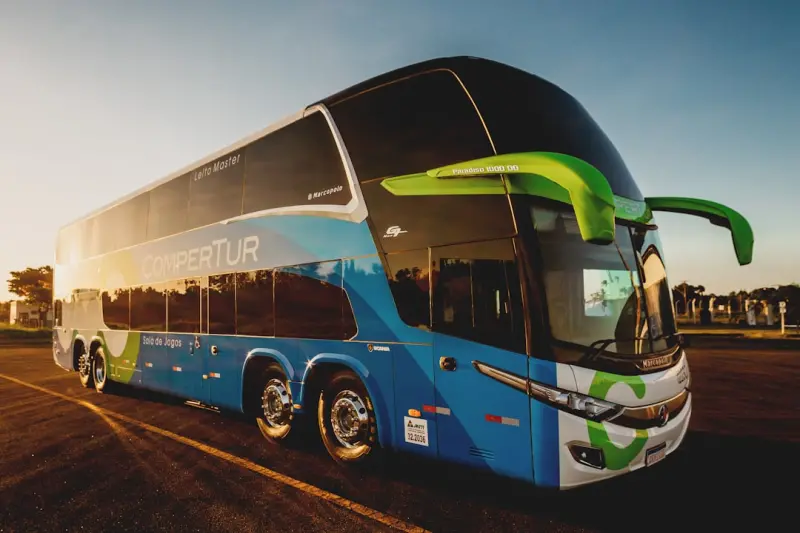
Savor the Journey: Food‑First Cruises and Bus Tours Redefine Travel
A fresh look at how food‑centric itineraries on cruise ships and bus tours are turning ordinary tr... Read More
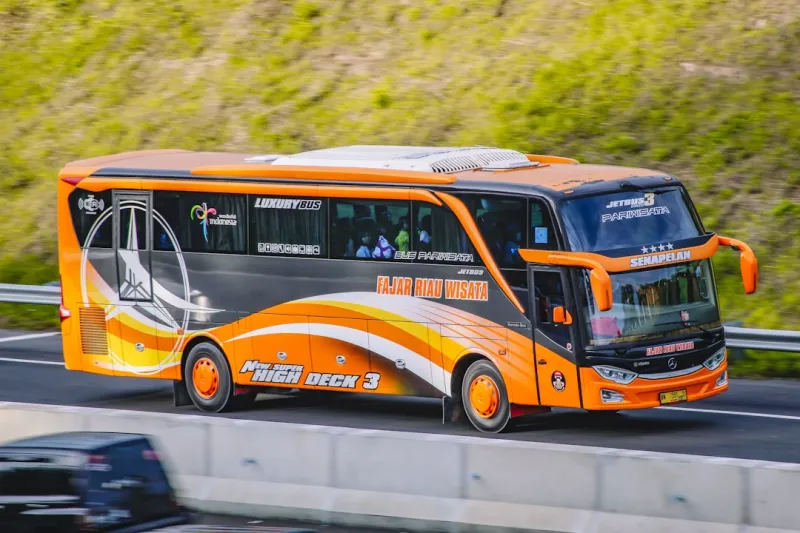
Embracing the Slow Pace: How Bus Tours Can Revitalize Your Family Vacation
Bus tours offer a unique and rejuvenating way to explore new destinations and reconnect with your lo... Read More
When Passengers Become Curators: The New Wave of Co‑Created Cruise and Bus Adventures
A fresh look at travel reveals passengers shaping itineraries in real time, turning cruises and bus ... Read More
Top Posts

Rediscovering the Charm of Rural Tourism: A Journey Off the Beaten Path
Rural tourism offers a unique and rewarding experience for travelers. Learn about its benefits, challenges, and community-driven initiatives, and discover why i...Read More

Chart Your Course for Family Fun: The 2025 Marine Heritage Festival in Southampton
Ahoy there, mateys! Get ready to hoist the sails and embark on a weekend of unforgettable family fun at the 2025 Marine Heritage Festival! From July 25th to 27t...Read More

Parental Warning: Why Kids’ Apps Need the Same Scrutiny as SaaS Products
Modern kids’ apps use AI, personalization, and data collection much like SaaS platforms, blurring the line between learning and marketing. This post reveals h...Read More

Beyond the Fields: Building Community‑First Food Networks
Canadian farmers are forging community‑first food networks—direct subscriptions, collaborative processing, and educational partnerships—that strengthen lo...Read More
0 Comments
Post Comment
You will need to Login or Register to comment on this post!