

Imagine walking into a restaurant where your favorite dish is already waiting, your preferred table is reserved, and the menu adapts to the rhythm of your life. This isn’t a futuristic fantasy; it’s the emerging reality of subscription‑based dining. While many eateries still rely on one‑off visits, a growing cohort is turning to membership models to build deeper relationships, smooth cash flow, and differentiate themselves in a crowded market.
From One‑Time Visits to Ongoing Relationships
Traditionally, restaurants have measured success by seat turnover and nightly covers. Those metrics reward volume but often ignore the long‑term value of a patron. Subscription models flip the script: instead of chasing a new guest every night, restaurateurs invest in ongoing engagement. A member might pay a monthly fee for a set number of meals, priority reservations, or exclusive access to chef‑crafted events.
- Predictable revenue streams replace the roller‑coaster of seasonal traffic.
- Data‑driven insights about eating habits enable more precise inventory planning.
- Members feel a sense of belonging, turning casual diners into brand ambassadors.
These advantages echo the principles found in brand advocacy in hospitality, where loyal customers become the most authentic promoters. By rewarding consistency, restaurants can harness the same word‑of‑mouth power that drives B2B growth.
Designing a Membership That Resonates
A successful subscription isn’t a one‑size‑fits‑all ticket. It requires thoughtful tiering, clear value propositions, and flexibility. Below are three common structures you’ll see across the industry:
- Meal‑Count Packages: Pay for ten lunches, receive a free dessert, and enjoy a guaranteed seat during peak hours.
- Experience‑Focused Passes: Access to quarterly tasting menus, cooking workshops, or chef’s table events.
- Hybrid Benefits: Combine food credits with perks like complimentary parking, early‑bird reservation windows, or partner discounts (e.g., nearby gyms or coworking spaces).
Each tier should answer a specific guest need—convenience, exclusivity, or community. Restaurants that align their tiers with the lifestyle of their target market see higher uptake and lower churn.
The Community Table: Social Capital on a Plate
One of the most compelling reasons people join a dining membership is the sense of community. Shared tables, rotating guest seats, and collaborative events foster conversation among strangers who share a love of food. This social dimension turns a simple meal into a networking opportunity, much like a curated co‑working space but with better flavor.
Implementing community tables requires a subtle shift in floor planning and staff training:
- Layout: Design flexible seating arrangements that can transition from intimate two‑person booths to larger communal boards.
- Facilitation: Train servers to introduce guests to each other when appropriate, creating organic connections without forcing interaction.
- Programming: Host “member mixers” or themed nights where participants can discuss topics ranging from sustainable sourcing to local art.
These efforts pay dividends beyond the dining room. A vibrant community table can become a content generator—photos, stories, and testimonials that amplify the restaurant’s online presence.
Transparent Sourcing as a Membership Perk
Modern diners crave authenticity, and nothing says authentic like knowing where your ingredients come from. Restaurants that embed farm‑to‑fork transparency into their membership communications build trust and justify premium pricing.
Consider a weekly “source spotlight” newsletter that profiles a local farmer, explains the seasonality of a featured vegetable, and offers a member‑only tasting. This narrative not only educates guests but also creates a tangible link between the subscription fee and the quality of the plate.
Such storytelling also dovetails with the growing consumer awareness of hidden costs of dining out. By openly discussing procurement costs and the true value of locally sourced produce, restaurants demystify pricing and foster a sense of fairness.
Real‑Time Feedback Loops Without the AI Hype
While many establishments chase the latest artificial intelligence tools, there’s a simpler, equally powerful approach: immediate, human‑centric feedback. Subscription members expect a higher level of service, and delivering on that expectation hinges on listening in real time.
Here’s a practical workflow:
- Digital Check‑In: Upon arrival, members scan a QR code that logs their visit and prompts a quick mood rating.
- On‑The‑Spot Survey: A short, one‑question follow‑up after the meal asks, “What could have made this experience better?”
- Human Review: A designated manager reviews responses before the next shift, adjusting service or menu items accordingly.
This loop creates a virtuous cycle: members feel heard, staff see actionable data, and the restaurant continuously refines its offering. It’s a low‑tech solution that rivals the sophistication of any algorithm, proving that people remain the best source of insight.
Balancing Exclusivity and Accessibility
One risk of subscription models is alienating non‑members, especially in neighborhoods where price sensitivity is high. The key is to maintain a balanced mix of open‑table seats and member‑only reservations. A well‑calibrated ratio ensures that walk‑ins still experience the restaurant’s core vibe while members receive their promised benefits.
Restaurants can also offer “guest passes” as part of higher‑tier memberships, encouraging members to bring friends and convert them into new subscribers. This approach mirrors referral programs discussed in other industries, reinforcing the notion that satisfied members are the most effective marketers.
Metrics That Matter
Transitioning to a subscription model demands a new set of performance indicators. Beyond traditional covers and average check, track these metrics:
- Monthly Recurring Revenue (MRR): The baseline income that smooths out seasonal dips.
- Member Lifetime Value (LTV): Total revenue expected from a member over their tenure.
- Churn Rate: Percentage of members who cancel each month; aim for double‑digit reductions within the first six months.
- Engagement Score: Frequency of member visits, event attendance, and feedback participation.
By monitoring these figures, restaurateurs can quickly identify whether their subscription offering is delivering the promised financial stability and brand loyalty.
Case Study: A Mid‑Size Urban Bistro
To illustrate the impact, let’s look at a fictional bistro, “The Green Fork,” which launched a three‑tier membership in the spring:
- Silver: 8 lunches per month, priority reservation windows.
- Gold: All Silver benefits plus 2 chef‑tasting events per quarter.
- Platinum: All Gold benefits, a private dining room for one night per year, and a guest‑pass allowance.
Within six months, The Green Fork reported:
- 30% increase in average weekly revenue, driven by the steady inflow of member meals.
- Reduced food waste by 15% thanks to accurate forecasting from member orders.
- Higher social media engagement, as members posted about exclusive events, effectively turning the bistro into a living showcase.
This success story underscores how subscription models can create a win‑win: financial predictability for owners and a curated, community‑rich experience for diners.
Looking Ahead: The Evolution of the Dining Subscription
As the concept matures, expect to see innovations such as:
- Dynamic Pricing: Adjusting membership fees based on demand cycles, similar to airline loyalty tiers.
- Cross‑Industry Partnerships: Bundling dining credits with local entertainment, fitness, or transportation services.
- Personalized Menus: Using member preferences (collected via feedback loops) to pre‑curate dishes that align with dietary goals.
These developments will further blur the line between restaurant, lifestyle brand, and community hub. While AI-driven menu innovations may dominate headlines, the real transformation lies in how eateries nurture lasting bonds with their patrons.
Conclusion
Subscription and membership models are more than a revenue hack; they represent a philosophical shift toward relationship‑centric hospitality. By offering consistent value, fostering community tables, championing transparent sourcing, and listening in real time, restaurants can build a loyal tribe that sustains them through economic ebbs and flows.
For restaurateurs ready to step beyond the nightly rush and into a steadier, more engaged future, the subscription playbook offers a roadmap—one that rewards both the kitchen and the community that gathers around it.

Related Posts
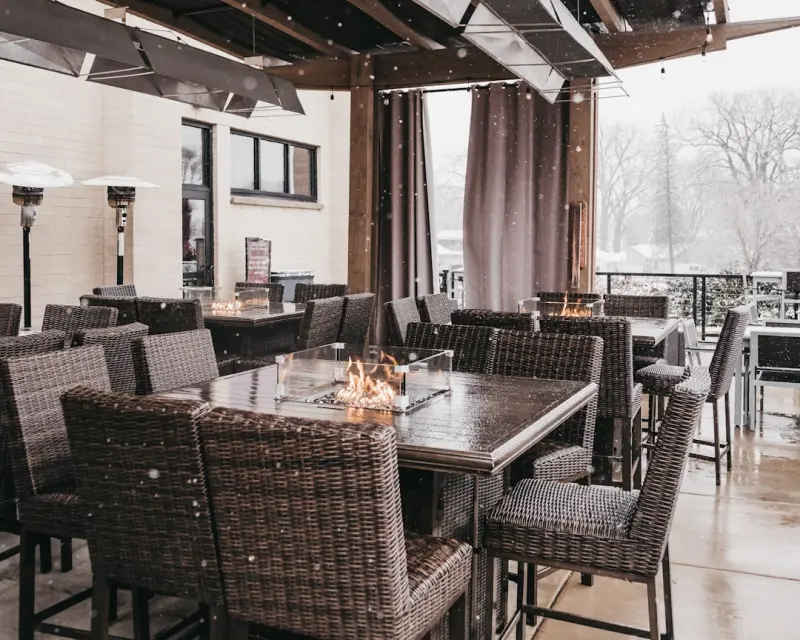
Community Tables and Micro‑Restaurants: The Next Dining Wave
A fresh look at how shared‑table concepts, micro‑restaurant agility, and data‑powered guest pe... Read More

Ghost Kitchens & Data‑Driven Menus: The Hidden Battle Winning the Modern Plate
Ghost kitchens are turning the restaurant industry upside down. Learn how data‑driven menus, subsc... Read More
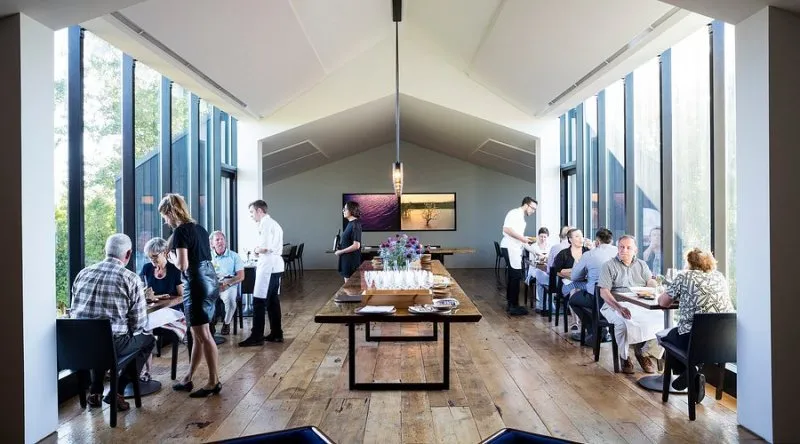
Discover Culinary Excellence: Why Restaurant Pearl Morissette Reigns Supreme in Canada
Have you ever dreamt of a dining experience that transcends the ordinary? An experience that marries... Read More
Top Posts

From Sap to Sweetness: Crafting Homemade Maple Syrup in Canada
Discover the art of turning maple sap into golden syrup in your own backyard—modern techniques, sustainability tips, and tasty pairings that bring a taste of ...Read More

Ghost Kitchens and the Future of Dining: What Restaurants Need to Know
A deep dive into the rise of ghost kitchens, their operational advantages, challenges, and how traditional restaurants can adapt to stay competitive....Read More

Hidden Costs of Modern Living and How to Cut Them
Explore the unseen expenses that silently drain your wallet and get actionable tips to cut costs, from subscription audits to community resources....Read More

Uncovering the Authentic Charm of Rural Tourism
Discover the authentic charm of rural tourism and support local communities by visiting rural destinations. Learn about community-driven marketing and sustainab...Read More
0 Comments
Post Comment
You will need to Login or Register to comment on this post!