

When the lights dim and a band steps onto the stage in a cramped downtown loft, I feel a familiar thrill—one that’s been simmering across Canada’s cultural fabric for months now. The pandemic taught us how to endure silence, but it also taught us how hungry we are for the collective pulse of a live performance. As someone who’s spent years chasing the next big thing in tech and entertainment, I’m convinced we’re witnessing a live‑music renaissance that’s as much about community as it is about sound.
From Empty Streets to Vibrant Venues
In the early days of lockdown, the streets of Toronto, Vancouver, and Montreal turned into impromptu soundscapes. Musicians streamed from basements, balconies, and even rooftops, turning the cityscape into a patchwork of acoustic experiments. Those moments were raw, intimate, and oddly democratic—anyone with a Wi‑Fi connection could join the jam. But as restrictions eased, the craving for physical gatherings resurfaced, and the industry responded with a wave of inventive venues that blend the DIY spirit of the pandemic with the polish of pre‑COVID production.
One of the most striking developments is the rise of micro‑venue pop‑ups. These aren’t your typical bar‑room gigs; they’re often housed in repurposed warehouses, art galleries, or even vacant retail spaces. The key is flexibility: modular stages, movable lighting rigs, and ticketing systems that can be scaled up or down on a whim. This agility allows promoters to test new markets without the financial overhead of a permanent location.
Take the drive‑in cinema revival as a case study. While the trend centered around film, the underlying model—leveraging outdoor spaces to create socially distanced, immersive experiences—has been hijacked by concert promoters. Outdoor “concert‑in‑your‑car” events are popping up in places like Prince Edward County and the Okanagan Valley, offering fans a safe yet electrifying way to enjoy live music under the stars.
Hybrid Shows: The Best of Both Worlds
The digital acceleration forced upon us has left a permanent scar on the entertainment industry: the expectation of on‑demand, high‑quality streaming. Audiences now demand that the live experience be accessible beyond the venue’s four walls. Enter the hybrid concert—a seamless blend of physical performance and live‑streamed content. These events use multiple camera angles, real‑time graphics, and interactive chat functions to bring the energy of a live show into living rooms worldwide.
Technologically, the hybrid model is a playground for innovators. High‑resolution 360° cameras capture the crowd’s energy, while AR overlays can add visual layers to the performance. Some festivals are even experimenting with virtual reality experiences that let fans “stand” on stage with their favorite artists, creating a sense of presence that rivals physical attendance.
From a business standpoint, hybrid shows unlock new revenue streams: tiered ticketing (standard entry, premium live‑stream access, VR immersion), merchandise bundles shipped directly to viewers, and data‑driven insights into fan behavior. The data gathered—from how long a viewer stays in the stream to which songs spark the most chat activity—feeds back into marketing strategies, ensuring that each subsequent show is even more tailored to its audience.
Local Roots, Global Reach
Canada’s music scene has always been a mosaic of regional flavors. The folk traditions of the Maritimes, the indie rock of Toronto’s Queen West, the hip‑hop beats of Vancouver’s Kitsilano—all contribute to a vibrant national soundscape. The current renaissance is amplifying these local voices on a global stage.
Artists are leveraging platforms like Spotify’s “Canada” playlists, YouTube’s algorithmic recommendations, and TikTok’s short‑form virality to transcend geographic boundaries. A bedroom‑produced track from a small town in Saskatchewan can now be discovered by a listener in Berlin within minutes. This democratization of exposure is encouraging more musicians to experiment with genre‑bending sounds, knowing that niche audiences are just a click away.
Moreover, the rise of the Canadian esports scene has introduced a cross‑pollination of fanbases. Gaming conventions are now featuring live‑music stages, while music festivals are streaming esports tournaments. This synergy expands audience demographics and creates novel partnership opportunities for sponsors looking to tap into both music lovers and gamers.
Inclusivity Takes Center Stage
One of the most heartening shifts is the industry’s renewed focus on inclusivity. Organizers are actively curating line‑ups that reflect Canada’s multicultural tapestry. Indigenous artists are being spotlighted at major festivals, with dedicated stages that honor traditional drumming and contemporary Indigenous hip‑hop.
Accessibility is also a priority. Venues are installing hearing‑loop systems, providing sign‑language interpreters, and offering sensory‑friendly performances for neurodiverse audiences. The post‑pandemic era has taught us that the “one size fits all” model is outdated; instead, tailored experiences are the new norm.
Economic Ripple Effects
The live‑music boom isn’t just a cultural phenomenon—it’s an economic engine. According to a recent report from the Canadian Independent Music Association, the sector contributed over $5 billion to the national economy in the past year. That figure includes ticket sales, merchandise, food and beverage revenue, and the ancillary services that support events (lighting, sound engineering, security).
Local businesses feel the impact too. A small café near a pop‑up venue often sees a 30‑40% increase in foot traffic on show nights. Hotels report higher occupancy rates when festivals draw out‑of‑town visitors. Even municipal governments are taking note, offering tax incentives to promoters who choose underutilized spaces, turning vacant storefronts into cultural hubs.
Challenges and the Path Forward
While the momentum is undeniable, the industry faces headwinds. Rising production costs, especially for hybrid technologies, can be prohibitive for emerging artists. Licensing and royalty negotiations for streamed content remain a gray area, prompting calls for clearer frameworks that protect both creators and distributors.
There’s also the ongoing debate about the environmental footprint of touring. Many artists are now adopting carbon‑offset initiatives, partnering with eco‑friendly transportation providers, and designing set‑ups that minimize waste. Audiences, increasingly conscious of sustainability, are rewarding acts that demonstrate environmental stewardship.
Looking ahead, the key will be balance—maintaining the intimacy of small‑scale shows while harnessing the reach of digital platforms, honoring local cultures while embracing global collaboration, and delivering unforgettable experiences without compromising the planet.
How to Dive In
If you’re a music lover eager to join the renaissance, here are a few actionable steps:
- Explore Pop‑Up Venues: Check local event boards or apps like Eventbrite for surprise gigs in unconventional spaces.
- Support Hybrid Shows: Purchase tiered tickets that include both physical entry and streaming access—this helps fund the technology that makes hybrid events possible.
- Champion Inclusivity: Attend shows that prioritize diverse line‑ups and accessible features; your presence signals market demand.
- Engage Online: Follow emerging Canadian artists on social media, share their content, and participate in live‑chat discussions during streams.
- Advocate for Sustainability: Choose events that publicize their green initiatives, and consider car‑pooling or using public transit to get to venues.
In the end, the live‑music renaissance isn’t just about the notes we hear—it’s about the connections we forge, the stories we share, and the communities we build. As the curtain rises on this new era, the stage is set for Canada to lead the world in reimagining what entertainment can be.

Related Posts

Winter’s Silver Screen: How Canada’s Snow Culture is Shaping New Entertainment
Discover the rise of snow‑driven storytelling in Canada, from indie dramas to VR sled rides, and h... Read More
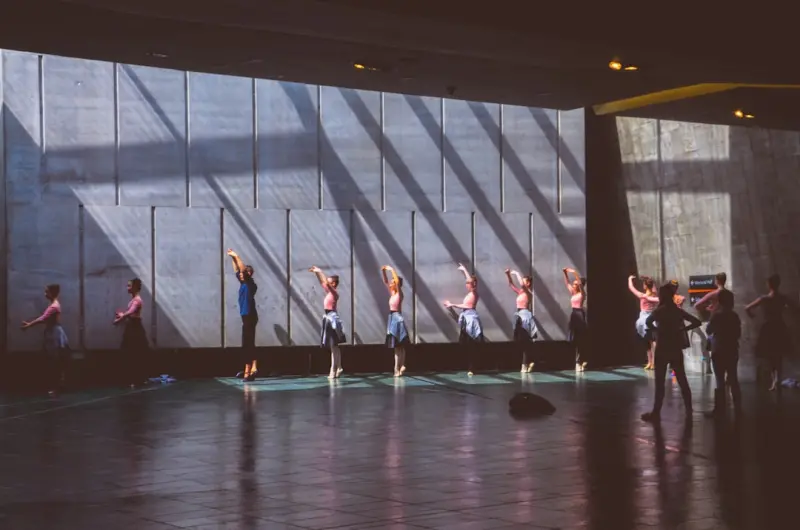
From Studio to Stage: Why Canada’s Live‑Performance Renaissance Is the Next Big Thing
Canada’s entertainment landscape is shifting from screen‑centric consumption to immersive, commu... Read More

From Small‑Town Stages to National Spotlight: Canada’s Regional Comedy Renaissance
Discover the rise of Canada’s regional comedy hubs—small venues turning local jokes into nationa... Read More
Top Posts

Smart, Sustainable Prom & Graduation Planning Guide
A comprehensive guide that blends budget-conscious SaaS tools, sustainable fashion, data‑driven catering, inclusive practices, and simple tech enhancements to...Read More

Collective Bargaining: How Buying Consortia Unlock Sustainable SaaS Savings
Learn why the real secret to SaaS savings isn’t a discount code but the power of buying consortia. This guide shows how to form, negotiate, and integrate grou...Read More

Seasonal Pantry Mastery: Building a Nutrient‑Dense Kitchen for Peak Performance
Discover a step‑by‑step approach to building a seasonal pantry that supports steady energy, mental clarity, and overall health, using preservation methods, ...Read More

Sip Smart: How AI is Redefining Home Mixology
Megan Morris explores the rise of AI in home bartending, sharing how smart scales, voice‑activated shakers, and flavor‑mapping engines create personalized, ...Read More
0 Comments
Post Comment
You will need to Login or Register to comment on this post!