
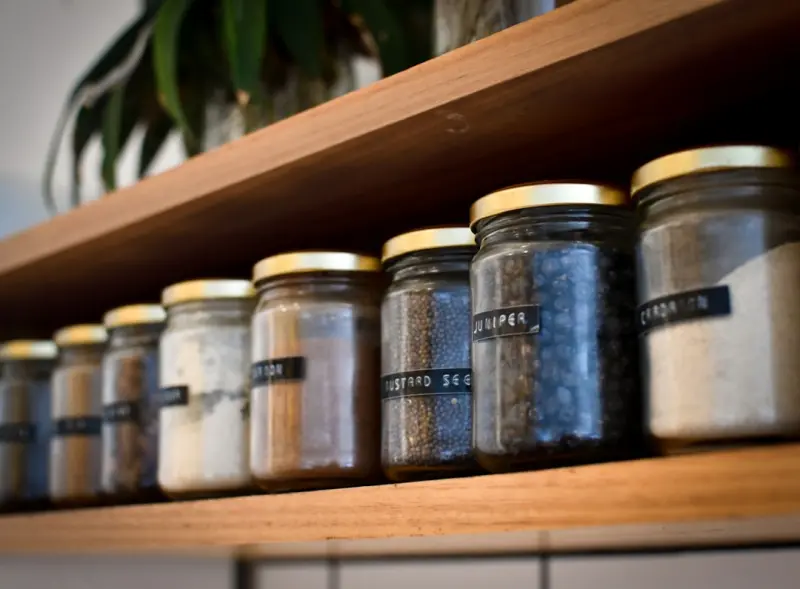
When I first started mapping out my weekly meals, the goal was simple: keep my energy steady, my mind sharp, and my waistline friendly. What I quickly realized was that “healthy eating” is often reduced to a checklist of “no sugar, more greens,” which strips away the joy, culture, and science that turn food from fuel into a performance catalyst. In this post, I’m pulling back the curtain on a strategy that’s been a game‑changer for me and a handful of clients who juggle demanding careers, family life, and the occasional all‑night deadline: building a seasonal, nutrient‑dense pantry that works with your body’s natural rhythms.
Why Seasonality Beats Trendiness Every Time
Most nutrition advice is anchored in the latest fad—whether that’s a “keto‑only” week or the newest “adaptogen‑infused” powder. While trends can be fun experiments, they rarely align with the body’s evolutionary preference for seasonal foods. Our ancestors ate what was available in the wild or on the farm, which meant a built‑in variety of vitamins, minerals, and phytonutrients that shifted with the calendar.
When you eat seasonally, you’re essentially letting nature do the heavy lifting:
- Higher Nutrient Density: Studies consistently show that vegetables harvested at peak ripeness contain up to 30 % more antioxidants than those picked early and shipped across continents.
- Lower Environmental Footprint: Local, in‑season produce travels fewer miles, which translates to less fuel consumption and fewer carbon emissions.
- Natural Variety: Rotating foods throughout the year prevents the “nutrient fatigue” that can occur when you eat the same handful of items daily.
In practice, this means swapping out your standard bag of kale for a mix of Swiss chard in the fall, or trading a year‑round cucumber for crisp, sweet peas in early summer. The difference isn’t just visual; it’s a measurable boost in the micro‑nutrients that support everything from mitochondrial function to gut microbiome diversity.
Step‑One: Audit Your Current Pantry
Before you can curate a seasonal pantry, you need to know what you already have. Pull everything out of your cabinets, pantry shelves, and freezer drawers. As you sort, ask yourself three questions for each item:
- Is it in season right now?
- Does it offer a unique nutrient profile I’m missing?
- Can it be stored long‑term without losing its nutritional punch?
Take note of any “legacy” items—canned tomatoes from a winter sale, dried beans that have sat untouched for a year, or those bulk bags of quinoa that were purchased on a “buy one, get one free” impulse. These are the candidates for either rotation out or repurposing.
Step‑Two: Map Out Seasonal Heroes
Here’s a quick cheat sheet of nutrient powerhouses for each season. Feel free to swap based on regional availability, but the goal is to cover a broad spectrum of macro‑ and micronutrients.
- Spring: Asparagus (folate), peas (vitamin C), ramps (sulfur compounds), rhubarb (calcium).
- Summer: Tomatoes (lycopene), berries (anthocyanins), corn (beta‑carotene), zucchini (potassium).
- Fall: Squash (beta‑carotene), apples (quercetin), kale (vitamin K), mushrooms (vitamin D when exposed to sunlight).
- Winter: Brussels sprouts (vitamin C), citrus fruits (vitamin C), parsnips (folate), root vegetables like carrots (beta‑carotene).
When you build meals around these heroes, you automatically cover a wide range of essential nutrients. For example, a simple autumn bowl of roasted butternut squash, sautéed kale, and a handful of toasted pumpkin seeds delivers a balanced mix of complex carbs, healthy fats, and phytonutrients that support both energy and immunity.
Step‑Three: Embrace Food Preservation Techniques
Seasonal eating doesn’t have to mean you’re stuck with a limited menu once the harvest ends. This is where a few time‑tested preservation methods become your best friends.
Freezing – The No‑Fuss Hero
Most vegetables retain up to 90 % of their nutrients when blanched briefly and frozen at peak ripeness. Keep a freezer bag of chopped broccoli, spinach, and bell peppers on hand for quick stir‑fries or soups.
Drying – Concentrated Nutrition
Drying herbs, mushrooms, and even fruit slices concentrates their flavors and nutrients. A handful of dried apple chips or sun‑dried tomatoes can add depth to salads and grain bowls without the need for fresh produce.
Fermentation – A Natural Boost
If you’re curious about turning ordinary vegetables into probiotic powerhouses, check out the fermentation revival movement. Fermented foods like kimchi, sauerkraut, and miso not only extend shelf life but also create live cultures that support gut health, a cornerstone of overall immunity and mental clarity.
Step‑Four: Layer in “Functional” Foods for Specific Goals
Now that you have a robust, seasonal foundation, it’s time to tailor your pantry to the performance outcomes you care about most—whether that’s laser‑sharp focus, steady blood sugar, or post‑workout recovery.
For Cognitive Clarity
- Blueberries: Rich in flavonoids that improve synaptic plasticity.
- Walnuts: Provide alpha‑linolenic acid (ALA), a plant‑based omega‑3.
- Turmeric (with black pepper): Curcumin has neuroprotective properties.
For Stable Blood Sugar
- Chia Seeds: Gel-forming fiber slows glucose absorption.
- Steel‑cut Oats: Low glycemic index, sustained energy release.
- Leafy Greens: Low in carbs but high in magnesium, a mineral that improves insulin sensitivity.
For Post‑Workout Recovery
- Greek Yogurt: Combines protein with probiotics.
- Sweet Potatoes: Replenish glycogen stores with complex carbs.
- Beetroot Juice: Nitrates improve blood flow and reduce muscle fatigue.
The key is to keep these functional foods in modest, regularly rotated quantities. Over‑stocking can lead to waste, which defeats the purpose of a mindful pantry.
Step‑Five: Create “Meal‑Ready” Kits
One of the biggest barriers to consistent healthy eating is the “what’s for dinner?” dilemma. I solved this by pre‑assembling meal kits that sit on my kitchen counter, each labeled with the season, main protein, and a quick cooking method.
For example, a “Spring Protein Pack” might contain:
- Fresh peas (frozen if out of season)
- Pan‑seared salmon fillet
- Quinoa (cooked and stored)
- Lemon‑tahini drizzle (ready‑made)
When the evening rolls around, I simply combine everything in a skillet or microwave for a wholesome dinner in under 20 minutes. The mental load drops dramatically, and I’m less likely to reach for the “quick fix” of processed meals.
Community Support: Tapping Into Local Food Hubs
If you live in an urban area, you might think seasonal sourcing is a stretch. That’s where community gardens shine. Many cities now host neighborhood plots where residents can harvest fresh produce, swap seedlings, and share preservation tips.
Joining a garden does three things:
- Expands Your Seasonal Palette: You get access to heirloom varieties you won’t find in grocery aisles.
- Creates Accountability: When you’ve helped tend a plot, you’re more likely to use the harvest.
- Fosters Knowledge Sharing: Seasoned growers can teach you about composting, seed saving, and the subtleties of flavor that elevate a simple salad into a culinary experience.
Even if you can’t physically garden, many neighborhoods offer “CSA (Community Supported Agriculture) subscriptions” that deliver a box of seasonal produce straight to your door. Pair those fresh gems with your pantry staples, and you’ve built a resilient, nutrient‑rich system that adapts to both your schedule and the natural cycles of the earth.
Putting It All Together: A Sample One‑Week Menu
Below is a snapshot of a week that follows the principles outlined above. Feel free to remix the components based on your preferences and local availability.
| Day | Breakfast | Lunch | Dinner |
|---|---|---|---|
| Monday | Greek yogurt with fresh berries, chia seed sprinkle, and a drizzle of honey. | Quinoa salad with roasted spring peas, radish, feta, and lemon‑tahini dressing. | Pan‑seared salmon, sautéed asparagus, and sweet potato mash. |
| Tuesday | Steel‑cut oats topped with sliced apples, cinnamon, and toasted walnuts. | Whole‑grain wrap with hummus, kale, shredded carrots, and grilled chicken. | Stir‑fried tofu with mixed summer vegetables (zucchini, bell peppers, corn) over brown rice. |
| Wednesday | Smoothie with frozen berries, spinach, plant‑based protein powder, and almond milk. | Cold lentil soup with diced tomatoes, herbs, and a side of rye crackers. | Beetroot‑infused quinoa bowl with roasted beet cubes, goat cheese, and pistachios. |
| Thursday | Fermented veggie omelet (use leftover kimchi) with a side of avocado. | Harvest bowl: roasted butternut squash, kale, pumpkin seeds, and tahini drizzle. | Grilled turkey burgers with a side of Brussels sprout slaw. |
| Friday | Overnight oats with almond butter, banana slices, and a pinch of turmeric. | Mixed greens salad with citrus segments, toasted almonds, and a vinaigrette. | Spaghetti squash with marinara sauce (made from canned tomatoes) and meatballs. |
| Saturday | Scrambled eggs with sautéed mushrooms and a side of whole‑grain toast. | Cold grain bowl: farro, roasted summer veggies, feta, and a basil‑pesto drizzle. | Homemade pizza on a cauliflower crust topped with seasonal veggies. |
| Sunday | Protein‑rich chia pudding with coconut milk and fresh mango. | Hearty vegetable stew (carrots, parsnips, turnips) served with crusty bread. | Roasted chicken thighs with a side of steamed broccoli and quinoa pilaf. |
This menu showcases how you can blend pantry staples (quinoa, oats, beans) with fresh, seasonal produce and functional foods to create balanced meals that keep you energized and satisfied.
Final Thoughts: The Power of Intentional Eating
Healthy food isn’t a static list; it’s a dynamic system that evolves with the seasons, your body’s needs, and the community around you. By auditing your pantry, embracing preservation, and leaning into local food hubs, you’ll cultivate a kitchen that feels less like a chore and more like a personal wellness lab.
Remember, the goal isn’t perfection—it’s consistency. Even if you start with one seasonal hero a week, that momentum will snowball into a pantry that supports peak performance, mental clarity, and long‑term vitality.
Ready to give your pantry a makeover? Grab a notebook, take a look at what’s already there, and start mapping out your seasonal heroes. Your body—and your calendar—will thank you.

Related Posts
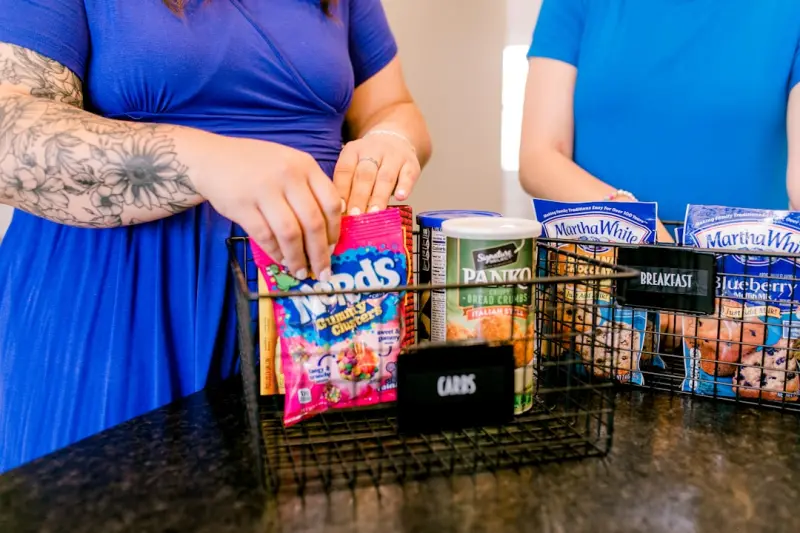
Why Your Snack Drawer Needs a Brain‑Boost Makeover
A personal experiment shows how swapping sugary snacks for nutrient‑dense pairings, fermentation, ... Read More

Sync Your Meals with Your Body Clock: The Chrononutrition Playbook
Learn the science behind chrononutrition and get a step‑by‑step meal schedule that fits a busy l... Read More
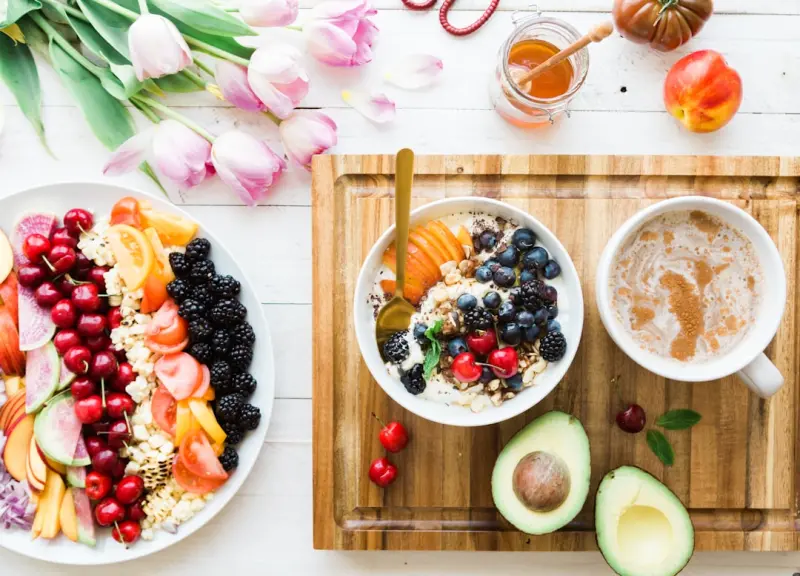
Flavor‑First Nutrition: Simple Strategies for Busy Professionals
A vibrant, flavor‑focused guide that shows busy professionals how to build nutrient‑dense meals,... Read More
Top Posts

Why Sleep Is the New Frontier for Corporate Health
A deep dive into the emerging trend of leveraging wearables for sleep optimization, showing how better rest can become a strategic advantage for businesses....Read More
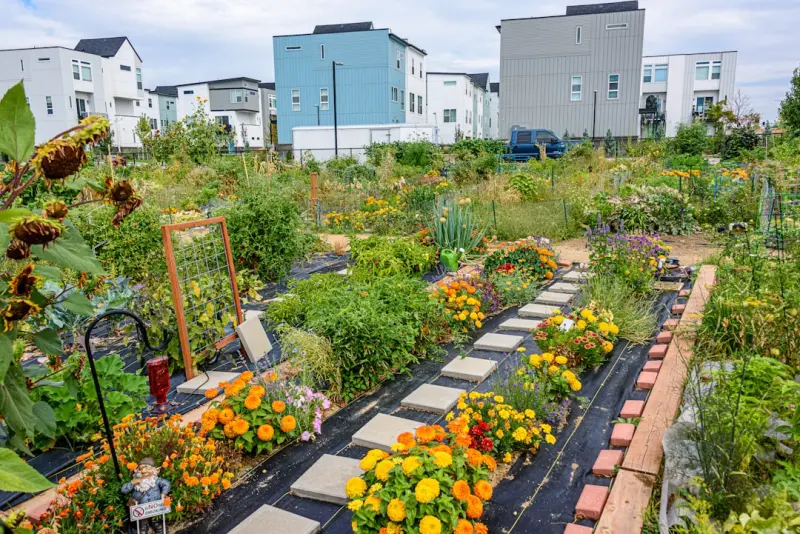
Rooftop Gardens and the Flavor Revolution: Growing Gourmet Herbs at Home
Learn to grow micro‑herbs on your balcony or kitchen window, master the science of flavor, and bring garden‑fresh taste to every meal....Read More

Fermentation at Home: Rediscovering Canada’s Living Flavors
Discover the art of home fermentation, from kombucha to sauerkraut, and learn how simple tools, local ingredients, and community swaps can transform your kitche...Read More

Beyond the Bean: Crafting Canada's Next‑Gen Coffee Experiences
Explore the surge of innovative coffee movements across Canada, from zero‑waste brewing to hyper‑local sourcing, and learn how baristas are turning a simple...Read More
0 Comments
Post Comment
You will need to Login or Register to comment on this post!