
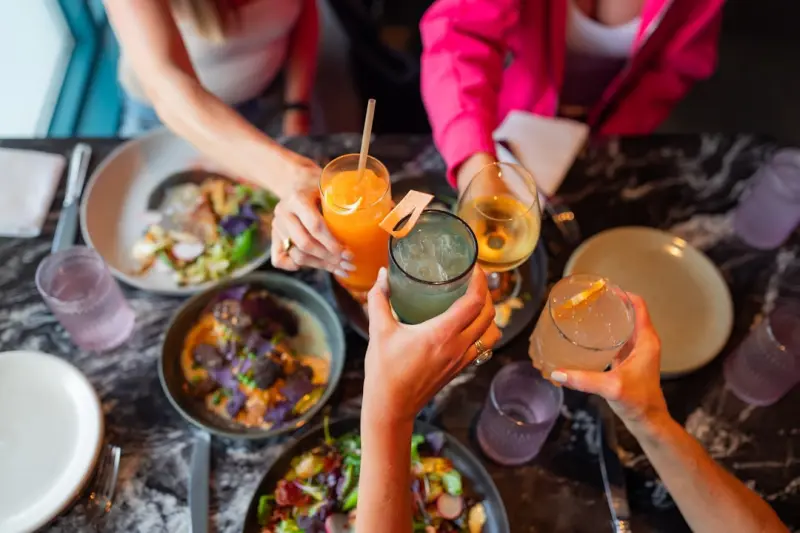
Why My Kitchen Bar Is Getting Smarter Than My Phone
Picture this: I’m standing in my tiny downtown kitchen, the evening sun slipping through the window, and a sleek, voice‑activated shaker whispers, “Let’s make a citrus‑kissed gin‑tini, Megan.” I blink, half‑expecting a prank, but the device has already pulled up my preferred spirit ratio, calculated the perfect ice dilution, and is waiting for me to pour the first pour. This isn’t a sci‑fi sketch; it’s the new reality of AI‑driven home mixology. And trust me, it’s as thrilling as discovering a secret speakeasy behind a bookshelf.
From Cocktail Booklets to Code: The Evolution of the Home Bar
For years, the home bar was a humble collection of dusty cocktail books, a few bottles of “good enough” liquor, and a lot of guesswork. My first attempts at a Manhattan were more “bland” than “bold,” and the classic mojito? Let’s just say the mint was more wilted than fresh. Then the internet arrived, followed by endless video tutorials, and finally the algorithm.
What changed? Data. Every swipe, every rating, every “I love this bitter note” you whisper to your smart speaker feeds a massive neural network. The system learns that you prefer a dry finish, you’re allergic to certain citrus oils, and you’ve got a penchant for smoky undertones on rainy nights. It’s not magic; it’s science meeting spirit.
The Core Ingredients of an AI‑Powered Drink
- Flavor Mapping Engine: Think of it as a GPS for taste. By analyzing millions of cocktail recipes, user reviews, and even chemical flavor compounds, the engine plots the most satisfying routes for your palate.
- Ingredient Inventory Tracker: Integrated with smart pantry sensors, it knows exactly how much gin, vermouth, or agave you have left, nudging you to restock before your next happy hour.
- Contextual Mood Analyzer: Using your smart home’s lighting, weather APIs, and even your calendar, it suggests drinks that match the vibe—think warm spiced rum on a snowy evening or a light prosecco spritz when the sun is shining.
How I Started Using AI to Craft My Signature Drinks
My journey began with a modest smart scale and a Bluetooth‑enabled shaker. The first night, I asked, “What’s a good summer cocktail?” The device responded, “A watermelon‑basil gin fizz, 2 oz gin, 1 oz fresh watermelon puree, 0.5 oz basil‑infused simple syrup.” I followed the steps, and the result was a burst of garden freshness that made my friends think I’d spent weeks perfecting the recipe.
From there, the system started recommending tweaks based on real‑time feedback. I told it I loved the fizz but wanted a less sweet finish. It suggested swapping the simple syrup for a dash of tonic water and adding a pinch of pink peppercorns. The next sip? A perfect balance of sweet, bitter, and spice that felt tailor‑made for my taste buds.
Beyond the Drink: Sustainability and Waste Reduction
One of the most underrated perks of AI mixology is its impact on sustainability. By tracking which ingredients you use most and which sit idle, the system can suggest “zero‑waste” cocktails that incorporate leftovers. Have a half‑used bottle of orange bitters? The AI might recommend a “Bittersweet Citrus Negroni” that uses just a few dashes, preventing waste and extending the life of your pantry staples.
It even cross‑references with Fermented Foods trends, encouraging the addition of kombucha or kefir water as low‑alcohol mixers, turning a potential waste product into a probiotic‑rich cocktail component. The result? Drinks that are not only delicious but also kind to the planet.
Personalization at Scale: The Social Side of AI Mixology
Imagine a dinner party where each guest receives a bespoke cocktail, crafted on the spot by a collective AI that knows their dietary restrictions, flavor preferences, and even their favorite travel memories. The AI could pull in a hint of tropical pineapple for someone who just returned from a beach vacation, or a smoky Scotch note for the friend who’s a fan of Highland hikes.
Platforms are already emerging that let users share their AI‑generated recipes, creating a community of “digital mixologists.” These communities exchange “flavor fingerprints,” allowing the algorithm to refine its recommendations across a global palate network. The future isn’t just about a single person’s drink; it’s about an interconnected ecosystem of taste.
Challenges: When the Algorithm Over‑Promises
Of course, no technology is flawless. Early versions sometimes suggested ingredient combinations that sounded great on paper but fell flat in practice—like a rosemary‑infused tequila with a dash of lavender bitters that clashed rather than complemented. The key is maintaining a human “taste checkpoint.” I still taste‑test each new suggestion, and I encourage readers to do the same. AI should augment, not replace, your intuition.
Privacy is another concern. The system collects data about your drinking habits, health conditions, and even your social calendar. Choosing reputable brands that are transparent about data usage is essential. Look for clear opt‑out options and encrypted storage to keep your cocktail preferences private.
Getting Started: Tools You’ll Need
- Smart Scale: Measures liquids with gram precision, syncing instantly with your phone.
- Bluetooth Shaker: Records shaking intensity and duration, feeding data back into the flavor engine.
- Pantry Sensors: Small RFID tags or weight sensors that monitor ingredient levels.
- AI Mixology App: Choose a platform that integrates all hardware and offers a robust recipe database.
Most of these devices work together through a central hub—often your smart speaker or a dedicated tablet. Once set up, the system learns from each interaction, gradually becoming a virtual bartender that knows you better than any human ever could.
Future Glimpses: What’s Next for AI‑Driven Drinks?
We’re only scratching the surface. Upcoming features include:
- AR Cocktail Visualization: Point your phone at a glass, and an augmented reality overlay shows the drink’s flavor profile, alcohol content, and suggested food pairings.
- Dynamic Fermentation: AI‑controlled fermenters that create custom kombucha or hard seltzer bases on the fly, adjusting sugar levels and fermentation time based on your taste data.
- Voice‑Only Mixology: Fully hands‑free experiences where you can ask, “Create a low‑calorie cocktail for my post‑yoga session,” and the system handles the rest.
And for those who love a good story, the AI can even embed a brief narrative about the cocktail’s inspiration—perhaps a nod to a trip to Kyoto or a memory of a summer rooftop party—making each sip feel personal and memorable.
Final Thoughts: Embrace the Future, One Sip at a Time
As someone who once thought “craft cocktail” meant buying an artisanal bottle of bitters, I’m now thrilled to see my kitchen bar evolve into a data‑driven, environmentally conscious, socially connected hub. The magic isn’t that AI can replace a seasoned bartender; it’s that it empowers us to explore flavors we might never have tried, reduces waste, and brings a touch of personalization to every gathering.
If you’ve been curious about the intersection of technology and your favorite libations, now is the perfect time to dive in. Start small—maybe with a smart scale and a curious mindset—and watch how your palate—and your party—transform.
Cheers to the future, Megan

Related Posts
Why Street‑Food Snacks Are Becoming the New Home‑Cooking Frontier
Rose DesRochers uncovers the surge of street‑food inspired snacks at home, blending tech, sustaina... Read More
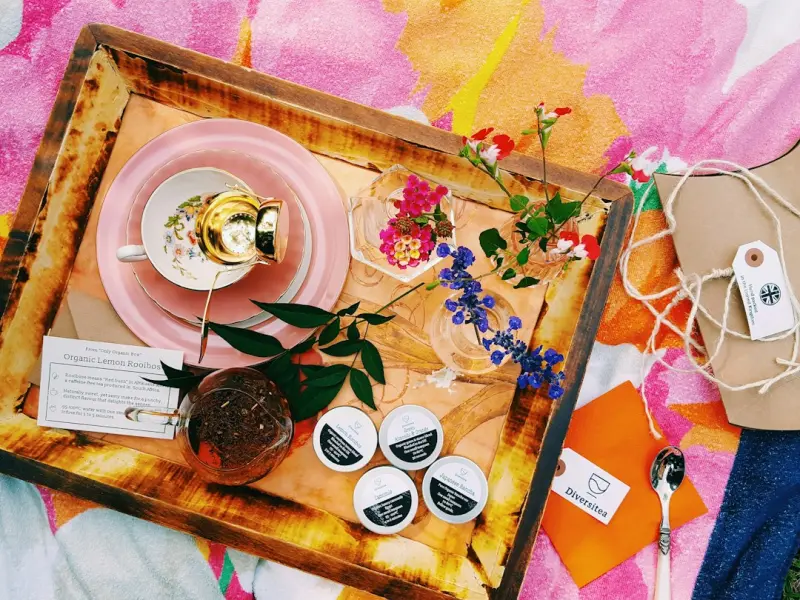
Sip, Savor, Sustain: Crafting Upcycled Drinks for a Greener Kitchen
Learn to transform everyday food scraps—citrus peels, coffee grounds, herb stems—into delicious,... Read More
From Coffee Grounds to Kombucha: Mastering Zero‑Waste Home Brewing
Discover three easy home‑brew recipes—coffee kombucha, citrus sparkling water, and veggie‑skin... Read More
Top Posts

Embracing the Slow Pace: How Bus Tours Can Revitalize Your Family Vacation
Bus tours offer a unique and rejuvenating way to explore new destinations and reconnect with your loved ones, prioritizing relaxation and mental well-being....Read More

Why Co‑Living Is the Smartest Money Move for Modern Renters
Explore the financial and social benefits of co‑living, from split utilities and bulk food purchases to shared amenities and risk‑sharing, and learn if this...Read More

Why Subscription Fatigue Is Killing Growth and How to Fix It
Subscription fatigue is eroding SaaS revenue as buyers drown in contracts. This article outlines a value‑first approach—modular pricing, outcome‑based con...Read More

Reeling in Change: How Ontario Anglers Are Shaping a Sustainable Future
Ontario’s anglers are forging a new path, combining smart gear, Indigenous wisdom, and inclusive community initiatives to protect the province’s waters and ...Read More
0 Comments
Post Comment
You will need to Login or Register to comment on this post!