

From Soil to Software: The Subtle Tech Wave Transforming Canadian Family Farms
When I first stepped onto my grandparents’ 200‑acre field in southwestern Ontario, the only “technology” I could point to was the rusted tractor that had been in the family for three generations. Fast forward a decade, and that same field now hums with the low‑frequency chatter of IoT sensors, drones buzzing overhead, and a cloud‑based dashboard that looks more like a fintech app than a farming ledger. This isn’t a sci‑fi fantasy; it’s the everyday reality for a growing cohort of Canadian farmers who are quietly integrating technology to safeguard their land, boost yields, and secure a future for the next generation.
Why the Quiet Shift Matters
Canada’s agricultural sector accounts for roughly 2 % of the national GDP and employs over 600,000 people. Yet, despite its economic weight, the industry has long been viewed through the lens of tradition and “hard‑working hands.” That perception is changing—not with flashy headlines, but with incremental, data‑driven decisions that collectively reshape how food moves from soil to table.
The catalyst for this transformation is twofold:
- Climate volatility: Unpredictable weather patterns, earlier frosts, and intensified droughts are forcing farmers to rethink planting windows and water management.
- Market pressure: Global supply chains demand transparency, traceability, and sustainability certifications that were once optional luxuries.
Both forces converge on a simple truth: modern farming requires information, and information comes from technology.
Sensor‑Based Soil Intelligence
One of the most tangible tech adoptions is the proliferation of soil sensors. These compact devices, often no larger than a matchbox, embed themselves at varying depths across a field, continuously measuring moisture, temperature, pH, and nutrient levels. The data streams in real time to a farmer’s smartphone, offering a granular view that was impossible with traditional soil tests conducted once per season.
Take the case of Maple Ridge Farm in Nova Scotia. By deploying a network of 150 sensors, the farm reduced irrigation water usage by 28 % in the first year. The sensors flagged micro‑zones where soil retained moisture longer, allowing the farmer to fine‑tune irrigation schedules rather than flooding the entire field. The result? Not just water savings, but a healthier root system that delivered a 12 % increase in yield.
Drones: Eyes in the Sky
While satellites have long offered macro‑level insight, drones provide the high‑resolution, on‑demand perspective that can catch issues before they become costly problems. Equipped with multispectral cameras, drones can detect early signs of disease, pest infestations, and nutrient deficiencies that are invisible to the naked eye.
Farmers in the Prairies are using drone‑generated NDVI (Normalized Difference Vegetation Index) maps to create “health heatmaps.” These maps pinpoint stressed zones, prompting targeted interventions—whether that’s a precise application of biocontrol agents or a localized fertilizer boost. By avoiding blanket treatments, growers are cutting input costs and reducing their environmental footprint.
AI‑Powered Forecasting Without the Hype
Artificial intelligence gets a lot of buzz, often accompanied by lofty promises of autonomous farms. In the Canadian context, AI is being used in a more pragmatic way: to enhance predictive analytics. Machine‑learning models ingest historical weather data, soil sensor readings, and satellite imagery to forecast optimal planting dates and anticipated yields.
For example, a grain farmer in Saskatchewan partnered with a local ag‑tech startup to integrate a forecasting tool that adjusted planting recommendations based on real‑time moisture levels and projected temperature swings. The tool’s recommendations resulted in a 5 % reduction in seed waste and helped the farmer lock in a higher quality grain that fetched better prices at market.
Carbon Credits: Turning Sustainability Into Profit
Regenerative agriculture—practices like cover cropping, reduced tillage, and diversified crop rotations—has moved from a niche movement to a mainstream strategy. What’s new is the monetization of these practices through carbon credit markets.
Canadian farmers are now registering their fields with provincial carbon registries, earning credits for sequestering carbon in the soil. These credits can be sold to corporations looking to offset their emissions. A family farm in Alberta recently earned enough credits to offset 20 % of its operational costs, turning a sustainability effort into a tangible revenue stream.
Direct‑to‑Consumer Platforms: Bypassing the Middleman
Historically, farmers have relied on large distributors and grocery chains to move their products. The rise of digital marketplaces has opened a new avenue: direct‑to‑consumer (DTC) sales. Platforms that enable farm‑to‑table subscriptions, farm stands, and online ordering are allowing producers to capture a larger slice of the retail pie.
Consider a blueberry farm in British Columbia that launched an online subscription box. By pairing their fresh berries with a curated fermented foods guide, they created a value‑added experience that encouraged repeat purchases. Within six months, the farm’s DTC channel contributed 15 % of total revenue, reducing reliance on volatile wholesale prices.
Data Privacy: A Farmer’s New Concern
With great data comes great responsibility. As farms adopt more sensors and cloud platforms, the question of who owns that data becomes critical. Unlike tech giants that have clear privacy policies, many ag‑tech providers are still defining data ownership terms.
Farmers are now negotiating contracts that specify:
- Who has access to raw sensor data.
- How long the data can be stored.
- Whether the provider can monetize aggregated data.
These negotiations echo the broader conversation about data sovereignty in other sectors, underscoring that technology adoption isn’t just about hardware—it’s also about rights and responsibilities.
Training the Next Generation
Technology is only as effective as the people who use it. Rural education programs are evolving to incorporate ag‑tech curricula, ensuring that the next generation can operate drones, interpret sensor data, and manage digital marketplaces.
Institutions like the University of Guelph’s School of Agriculture now offer certifications in precision agriculture, while community colleges across the prairies have introduced short courses on farm data analytics. This knowledge transfer is crucial; it ensures that small‑scale farms, which make up a large portion of Canada’s agricultural landscape, aren’t left behind in the tech wave.
Challenges on the Horizon
While the benefits are clear, the journey isn’t without obstacles:
- Connectivity: Rural broadband gaps can hamper real‑time data transmission. Governments and telecom companies are investing in satellite solutions, but coverage remains uneven.
- Cost of Entry: High upfront costs for sensors, drones, and software subscriptions can be prohibitive for small farms. Cooperative purchasing models and government subsidies are emerging as solutions.
- Data Overload: Too much data can overwhelm farmers who lack analytical expertise. User‑friendly dashboards and AI‑driven insights are essential to turn raw data into actionable decisions.
Looking Forward: A Balanced Future
The quiet tech wave sweeping Canadian farms isn’t about replacing the farmer’s intuition; it’s about augmenting it. By marrying generations‑old knowledge with modern data, Canadian agriculture is building a resilient, sustainable, and profitable future.
As we stand at the intersection of climate challenges and market demands, the farms that embrace these tools—while staying true to their heritage—will be the ones that feed the nation and the world for decades to come.
Want to explore how tech can also enhance the food you enjoy at the table? Check out our guide on pairing fresh produce with smart snacking strategies that keep you energized throughout the day.

Related Posts

AI & Regeneration: Canadian Farmers Lead the Way
Canadian farmers are adopting AI-driven precision tools and regenerative practices, creating a proac... Read More

Digital Twins and Indigenous Knowledge: A New Era for Canadian Grain Farming
Digital twins and ancient land wisdom are reshaping Canada’s grain farms, delivering higher yields... Read More
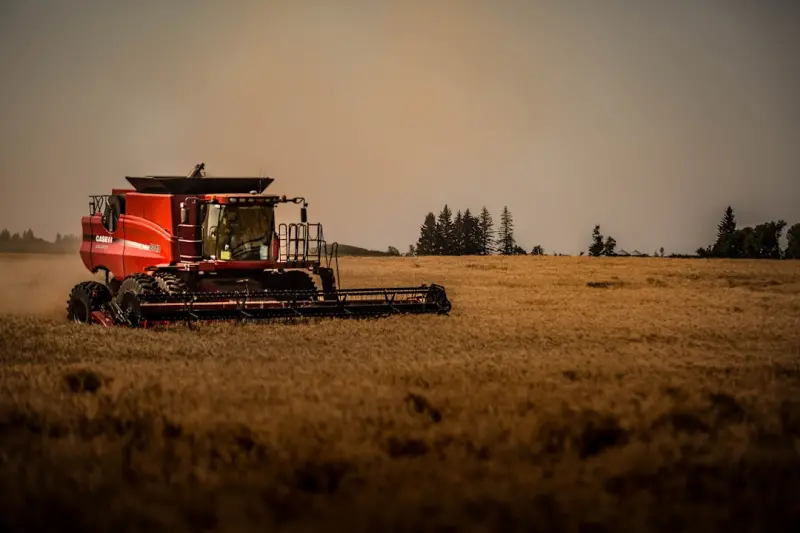
From Fields to Festivals: Canadian Farmers Embrace Agri‑Tourism
Canadian farms are opening their gates to visitors, turning fields into festivals and creating new r... Read More
Top Posts

Turning Everyday Negotiations into Sustainable Savings for Your SaaS Business
Learn a data‑driven, three‑layer approach to transform routine vendor talks into sustainable savings that fuel growth, align with revenue operations, and cr...Read More
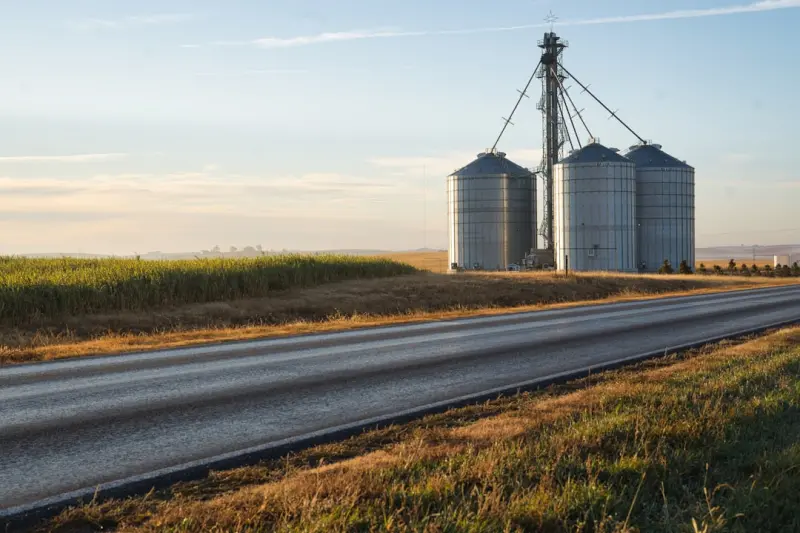
Breaking Down Silos: The Revenue Operations Revolution for Modern B2B Companies
A deep dive into Revenue Operations reveals why traditional sales, marketing, and success silos cripple growth and how a unified RevOps framework can deliver pr...Read More

Cottage Revival: Sustainable Living Meets Modern Comfort in Canada
The classic Canadian cottage is being transformed into a year‑round, eco‑friendly haven that blends sustainable design, local food production, and remote‑...Read More

When Free Isn't Free: A Parental Warning About Gaming Microtransactions
Free‑to‑play games disguise a powerful spend engine that can drain family budgets and affect children's mental health. This post uncovers the psychological ...Read More
0 Comments
Post Comment
You will need to Login or Register to comment on this post!