

Finding Stillness on the Shore: Ontario’s New Wave of Wellness Fishing
When I first swapped my office chair for a weathered wooden dock on Lake Simcoe, I expected a simple escape from inboxes and meetings. What I found was a quiet revolution—an emerging community of anglers who aren’t just after trophy pike or the biggest trout, but after something far more elusive: mental clarity, emotional balance, and a renewed sense of belonging. In Ontario’s sprawling network of lakes, rivers, and hidden bays, the act of casting a line has become a deliberate practice for mindfulness, a way to reset the nervous system and reconnect with nature’s rhythm.
From Hobby to Healing: Why Ontario Anglers Are Turning to the Water
Across the province, the conversation around mental health is evolving. Clinics are expanding, workplaces are adding wellness benefits, and individuals are seeking personal tools that fit into busy lives. Fishing, once framed primarily as a sport or a weekend pastime, is now being embraced as a therapeutic ritual. The gentle cadence of reeling in a line, the focus required to read the water’s surface, and the patience demanded by a waiting fish create a meditative loop that lowers cortisol and boosts dopamine. In short, the lake becomes a natural therapist—quiet, non‑judgmental, and endlessly patient.
For many, the shift began with a simple “day off” request. A colleague suggested a sunrise trip to Lake St. Clair, and I found myself standing on the water’s edge as the first light painted the mist. The experience was more than visual; it was sensory. The cool air on my skin, the subtle splash of a bobber, the rhythmic tug of a fish—each element anchored me to the present moment. Scientific studies on “catch‑and‑release” fishing have shown that such immersion can reduce anxiety levels by up to 30% and improve overall mood, confirming what anglers have felt for generations.
The Gear That Grows With You: Sustainable Tackle for the Modern Angler
While the mental benefits are profound, Ontario anglers are also championing environmental stewardship. The province’s waters are home to a delicate ecosystem, and responsible anglers recognize that the tools they use can either protect or harm that balance. Biodegradable lures, lead‑free weights, and recycled line materials are becoming staples in tackle boxes. Brands that prioritize eco‑friendly manufacturing are gaining loyalty, and local shops now stock “green gear” sections alongside traditional equipment.
One of my favorite recent discoveries is a line of compostable soft plastics made from plant‑based polymers. They break down in freshwater within a few months, eliminating the lingering threat of “ghost fishing” gear that can entangle wildlife for years. Paired with catch‑and‑release practices, this approach ensures that today’s fishing experiences don’t become tomorrow’s ecological burdens.
Community Currents: Building Support Networks on the Water
Beyond personal well‑being, fishing is fostering new community bonds across Ontario. Small groups gather at local boat launches for “wellness casts,” where the agenda is simple: cast, talk, breathe. These meet‑ups provide a safe space for sharing stories of stress, burnout, and recovery, all while the water does its quiet work. In many cases, participants report feeling less isolated and more equipped to handle life’s pressures after just a few sessions.
One initiative worth highlighting is the seasonal cabin community model that’s sprouting around the Kawartha Lakes region. Anglers rent modest cabins for weekend retreats, combining fishing with guided mindfulness workshops, yoga by the dock, and local foraging classes. The model blends the allure of a rustic getaway with the structure of a mental‑health program, creating a supportive environment where participants can unplug from digital overload and recalibrate their inner compasses.
Technology Meets Tradition: Apps that Enhance, Not Distract
While the core of this movement is about stepping back, technology is playing a surprisingly supportive role. Mobile apps designed for Ontario anglers now include features like “mindful casting timers,” which prompt users to take deep breaths before each throw, and “water‑condition alerts” that inform about safe water temperatures for both fish health and human comfort. These tools are intentionally low‑key, offering gentle nudges rather than constant notifications.
Another exciting development is the integration of citizen‑science data. Anglers can log catches, water clarity, and even stress levels after a session, feeding into provincial databases that help track ecosystem health. The feedback loop empowers anglers to see the direct impact of their practices, reinforcing responsible behavior and fostering a sense of collective ownership over Ontario’s freshwater resources.
Seasonal Strategies: Aligning Your Fishing Calendar with Nature’s Rhythm
Ontario’s climate offers a rich tapestry of seasonal opportunities. Spring brings spawning runs of walleye and bass, while autumn’s crisp air is perfect for targeting pike as they bulk up for winter. Each season carries its own mental health advantages. The renewal of spring mirrors personal growth, making it an ideal time for setting intentions. Summer’s long daylight encourages extended outdoor meditation, and the quiet of winter ice‑fishing provides a solitary space for deep reflection.
Strategically planning your fishing outings to coincide with these natural cycles can amplify the therapeutic effects. For example, a sunrise cast during the spring thaw can symbolize a fresh start, while an evening ice‑fishing session under a star‑filled sky can foster a sense of awe and perspective that puts daily stresses into context.
Stories From the Shore: Real Voices, Real Transformations
To illustrate the power of this movement, here are a few snapshots from Ontario anglers who have embraced fishing as a mental‑health practice:
- Emily, a Toronto graphic designer—After a burnout episode, she began weekly sunrise trips to Lake Erie. “The water’s stillness became my reset button. I now schedule my most demanding projects for after my fishing sessions, when I feel clear and focused.”
- Jamal, a health‑care worker in Ottawa—He joined a local “wellness cast” group at the Rideau River. “Sharing my stress with fellow anglers while we wait for a bite has been surprisingly comforting. The river’s flow reminds me that stress, like water, can be navigated rather than resisted.”
- Leah, a retired teacher from Thunder Bay—She participates in a seasonal cabin retreat near Lake Nipigon. “I’ve discovered that the combination of fishing, guided breathing, and community meals is a holistic approach to aging gracefully.”
Getting Started: Your First Step Toward Mindful Angling
If you’re curious about integrating fishing into your wellness routine, here’s a simple starter plan:
- Choose a nearby water body. Ontario’s Ministry of Natural Resources provides maps of public fishing sites, many with easy access points.
- Invest in eco‑friendly basics. A biodegradable lure, a lightweight rod, and a reusable water bottle are all you need to begin responsibly.
- Set an intention. Before you cast, decide on a simple mantra—“breathe,” “let go,” or “be present.” Let it guide your focus as you wait for a bite.
- Practice mindful casting. As you swing the rod, synchronize your breath with the motion. Feel the tension in the line and release it slowly, mirroring the ebb and flow of thoughts.
- Reflect after each session. Write a brief note in a journal about how you felt before, during, and after. Over time, you’ll notice patterns of calm and resilience emerging.
Beyond the Hook: The Bigger Picture for Ontario’s Lakes
Embracing fishing as a wellness practice also aligns with broader conservation goals. When anglers prioritize mental health, they naturally become stewards of the water they cherish. This creates a virtuous cycle: healthier ecosystems support richer fishing experiences, which in turn reinforce the desire to protect those ecosystems.
Ontario’s government has recently expanded funding for lake restoration projects, and community groups are rallying to organize shoreline clean‑ups alongside fishing events. By participating in these initiatives, anglers can extend the therapeutic benefits of their personal practice into collective action, ensuring that future generations will also find solace in the province’s waters.
The Future of Ontario Fishing: A Tapestry of Well‑Being
As we look ahead, the intersection of mental health, sustainability, and community will continue to shape Ontario’s fishing culture. From innovative gear that leaves no trace to technology that quietly supports mindfulness, the province is crafting a model where the act of casting a line becomes a catalyst for personal and ecological flourishing. Whether you’re a seasoned angler or a curious newcomer, there’s a place for you on the dock—waiting for the next ripple, the next breath, the next moment of quiet clarity.
So, next time you feel the weight of a deadline, a deadline, or just the hum of everyday life, consider trading a screen for a shoreline. Let the water’s surface reflect not only the sky above but the calm that resides within you.

Related Posts
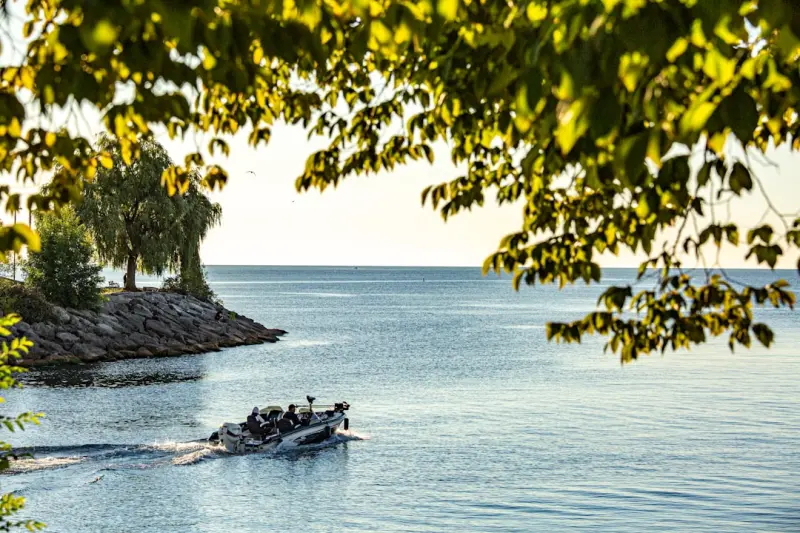
Tech‑Savvy Angling: How Ontario Fishermen Are Riding the Digital Wave
Ontario anglers are blending tradition with technology—using smart sensors, drones, and community ... Read More
Beyond the Bite: Building a Sustainable Fishing Culture on Ontario’s Lakes
A deep dive into how Ontario’s fishing community can blend tradition, technology, and stewardship ... Read More

Casting Calm: How Ontario’s Lakes Become Natural Therapy Rooms
Ontario’s lakes are more than just fishing spots—they’re quiet therapy rooms where casting a l... Read More
Top Posts

From Campus to Commons: How Student Movements Are Rewriting Canada’s Legislative Agenda
Student activism in Canada is evolving from protests to policy-making, driving change in climate action, housing, and digital rights. This post examines the new...Read More

Farmers Take the Driver’s Seat: Digital Cooperatives Changing Canadian Agriculture
Canadian farmers are banding together to build shared digital platforms that give them direct market access, better pricing, and data ownership, reshaping the a...Read More

Crafting an Unforgettable Prom and Graduation Night on a Tight Budget
Learn how to plan a stunning prom or graduation celebration without overspending, using DIY décor, thrifted attire, and clever budgeting hacks....Read More
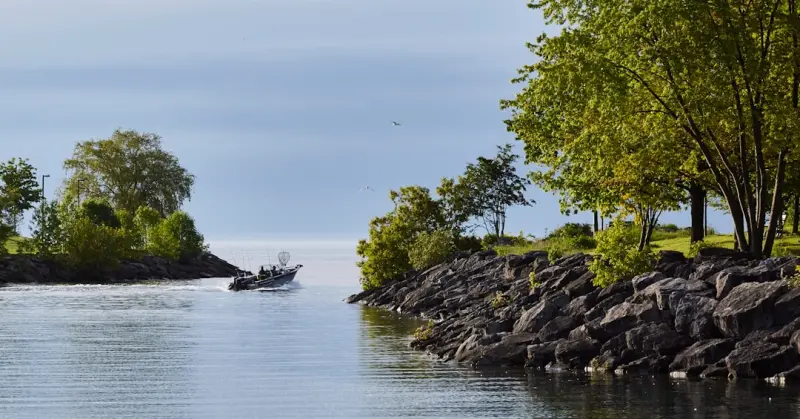
Casting Beyond the Known: Ontario’s Untapped Fishing Havens
A seasoned angler shares personal insights into Ontario’s lesser‑known waters, blending terrain reading, seasonal tactics, gear balance, and conservation to...Read More
0 Comments
Post Comment
You will need to Login or Register to comment on this post!