
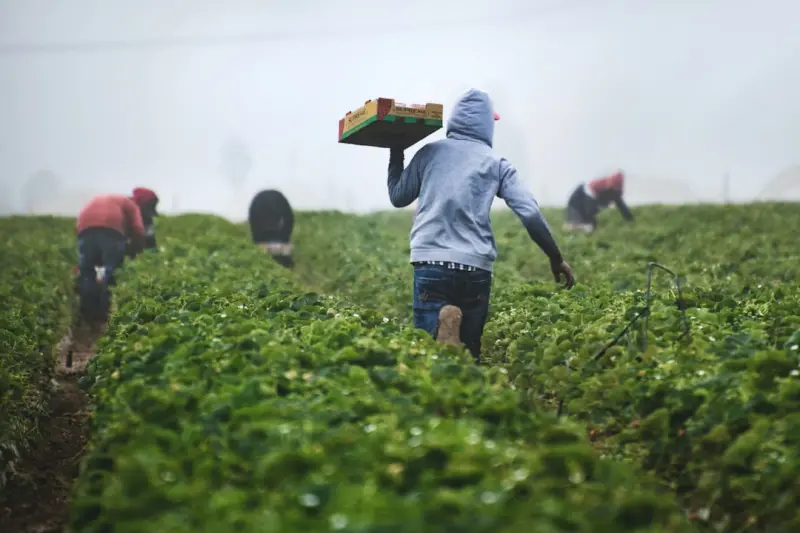
Why Digital Cooperatives Are the Next Frontier for Canadian Farmers
When I first stepped onto my family’s wheat field in southwestern Saskatchewan, the horizon stretched out in a way that felt both endless and limiting. The land was generous, but the market was a maze of middlemen, volatile price spikes, and opaque contracts. Over the years I watched fellow growers grapple with the same frustrations, and a question kept resurfacing in our community gatherings: what if we could own the digital platforms that connect us to buyers? The answer, it turns out, is already taking shape across the Prairies and beyond.
From Fragmented Channels to Shared Digital Spaces
Traditional agricultural supply chains have long been a patchwork of local aggregators, large grain elevators, and a handful of national processors. Each step adds cost, reduces transparency, and often squeezes the margins that keep family farms afloat. Digital cooperatives flip this model on its head. By pooling resources, farmers can develop or subscribe to shared software that handles everything from real‑time inventory tracking to direct‑to‑consumer sales portals.
Imagine a farmer in Nova Scotia who grows specialty kale. Instead of relying on a regional distributor, she lists her product on a cooperative marketplace that aggregates demand from chefs in Halifax, grocery co‑ops in Charlottetown, and even health‑conscious consumers in Montreal. Orders flow straight to her, payments settle within days, and the platform’s analytics show her exactly which varieties are trending. The result? Higher prices, lower waste, and a stronger bond with the end customer.
How the Model Works: The Core Pillars
- Shared Infrastructure: Members invest jointly in cloud‑based tools—farm management software, e‑commerce storefronts, and logistics dashboards—reducing the per‑farm cost of sophisticated technology.
- Collective Bargaining Power: By presenting a unified front, cooperatives negotiate better rates for shipping, packaging, and even insurance.
- Data Ownership: All transactional and agronomic data stays within the cooperative, empowering farmers to make evidence‑based decisions without selling their insights to third‑party brokers.
- Governance by Farmers, for Farmers: Decision‑making follows a democratic model where each member has a voice, ensuring the platform evolves to meet real field needs.
Real‑World Success Stories in Canada
While the concept may sound new, several pilot projects are already proving its worth. In the Okanagan Valley, a group of berry growers launched a shared online storefront that reduced their reliance on large distributors by 30 %. The cooperative’s renewable energy hubs partnership also allowed them to power their cold‑storage units with on‑site solar, cutting operating costs dramatically.
Further north, a collective of grain producers in Manitoba adopted a platform that integrates decision hygiene principles. By regularly reviewing data on crop performance, market trends, and input costs, they eliminated speculative planting decisions that previously led to costly missteps. The result? A 12 % increase in net farm income across the cooperative in just one season.
The Technology Stack Behind the Scenes
Most digital cooperatives rely on a combination of open‑source and SaaS solutions. Key components include:
- Farm Management Systems (FMS): Track planting dates, input applications, and yield forecasts.
- Marketplace Engines: Enable listings, order processing, and payment handling.
- Logistics Optimizers: Use routing algorithms to consolidate shipments, reducing fuel consumption.
- Analytics Dashboards: Provide real‑time insights into price trends, demand spikes, and inventory turnover.
Because the cooperative owns the platform, upgrades are driven by farmer feedback rather than vendor roadmaps. This agility is crucial for addressing region‑specific challenges, such as frost alerts in the Atlantic provinces or drought monitoring on the Prairies.
Financing the Digital Leap
One of the biggest hurdles for small‑scale producers is the upfront capital required to build or subscribe to these platforms. However, cooperatives can tap into a variety of financing sources that individual farms might not qualify for alone:
- Government Grants: Programs aimed at rural broadband expansion and ag‑tech innovation often cover a portion of software development costs.
- Impact Investors: Funds focused on sustainable agriculture are eager to back models that improve farmer resilience.
- Member Contributions: By spreading the cost across dozens or hundreds of farms, the financial burden becomes manageable.
In practice, a cooperative of 40 dairy farms in New Brunswick secured a $250,000 grant to develop a shared milk traceability app. Each member contributed $2,500, a fraction of what a single farm would have paid for an equivalent solution.
Addressing Common Concerns
It’s natural to feel skeptical about handing over data or control to a shared platform. Here are the most frequent questions we hear, and how cooperatives are responding:
- “Will my data be safe?” Cooperatives employ end‑to‑end encryption and store data on Canadian servers subject to strict privacy laws.
- “What if the platform fails?” Redundancy is built into the architecture—multiple data centers ensure uptime, and a governance board can vote to switch providers if needed.
- “Will I lose my independence?” Absolutely not. Membership is voluntary, and members retain the freedom to sell through other channels if they wish.
Integrating Remote Expertise: A New Kind of Team
Digital cooperatives also open the door to a talent pool that was previously out of reach for many farms. Through secure online portals, growers can tap into agronomists, marketing strategists, and data scientists who work remotely but are fully integrated into the cooperative’s decision‑making process. This mirrors the way remote teams have become strategic assets in other industries—offering specialized expertise without the overhead of full‑time staff.
One wheat producer in Alberta now collaborates weekly with a climate‑modeling specialist based in Vancouver. Their combined insights helped adjust planting dates, resulting in a 5 % yield boost despite an early-season frost.
Building Community Beyond the Platform
While technology is at the heart of these cooperatives, the social fabric that binds members is equally important. Regular virtual town halls, knowledge‑sharing webinars, and in‑person meet‑ups at regional fairs foster a sense of belonging that transcends the digital realm. These gatherings often spark cross‑pollination of ideas—like a grain farmer learning about value‑added processing from a fellow member who runs a boutique flour mill.
The Road Ahead: Scaling Up While Staying Local
As more Canadian farmers experience the benefits of digital cooperatives, the next challenge will be scaling without diluting the local focus that makes them valuable. Some strategies include:
- Creating regional hubs that customize the platform for local crop types and market conditions.
- Developing modular add‑ons—such as a carbon‑credit tracking tool—for farms that want to participate in emerging sustainability markets.
- Partnering with academic institutions to keep the technology cutting‑edge and grounded in research.
The ultimate goal isn’t to build a monolithic national marketplace, but a network of interconnected, farmer‑owned platforms that respect regional diversity while offering collective strength.
Getting Started: Your First Steps
If you’re intrigued by the idea of joining—or even launching—a digital cooperative, here’s a practical roadmap:
- Identify Common Pain Points: Gather a group of neighboring farms to discuss shared challenges, whether it’s market access, logistics, or data management.
- Explore Existing Solutions: Look for open‑source platforms that can be customized, or SaaS providers that offer cooperative licensing models.
- Secure Funding: Apply for relevant grants and pitch the collective vision to impact investors.
- Form Governance Structures: Draft bylaws that outline membership rights, voting mechanisms, and data ownership policies.
- Pilot and Iterate: Start with a small subset of farms, test the platform, gather feedback, and refine before scaling.
Remember, the strength of a cooperative lies not just in the technology, but in the trust and collaboration among its members. By taking these steps, you’re not only future‑proofing your own operation—you’re helping to reshape the Canadian agricultural landscape for generations to come.
Conclusion: A New Chapter for Canadian Agriculture
The fields have always been the canvas for innovation—from crop rotation to precision farming. Today, the digital cooperative represents the next brushstroke, one that lets farmers paint their own market destiny. It’s a model that aligns financial resilience with community values, leverages cutting‑edge tech while staying rooted in local knowledge, and invites every grower—big or small—to be a co‑author of Canada’s agricultural story.

Related Posts
From Soil to Silicon: How Canadian Farmers Are Crafting the Future of Food
Canadian farmers are merging age‑old stewardship with cutting‑edge technology—AI, blockchain, ... Read More

Powering the Fields: How On‑Farm Renewable Energy is Transforming Canadian Agriculture
Canadian farmers are harnessing solar panels, wind turbines, and biogas systems to lower expenses, l... Read More
Regenerative Roots: Canadian Farmers Turning Fields into Climate Allies
Canadian growers are embracing regenerative agriculture—cover crops, reduced tillage, diverse rota... Read More
Top Posts

Redefining Canadian Healthcare: A Human‑Centric, Data‑Driven Blueprint
A deep dive into Canada’s healthcare future, highlighting interoperable records, human‑first data, equitable telehealth, AI‑assisted triage, and strategie...Read More

Discover the Hidden Gems of Canadian Summer Adventures
Explore Canada's stunning landscapes, vibrant cities, and rich cultural heritage on a summer adventure. From hiking and camping to foodie tours and city getaway...Read More

Game On, Canada: Indigenous Studios and the New Wave of Interactive Storytelling
Canada’s entertainment sector is buzzing with fresh energy as Indigenous game studios, city‑wide live‑action role‑playing, and VR arcades bring new form...Read More

Prom & Graduation: Why They Still Matter in 2024
From the dazzling lights of prom to the heartfelt speeches at graduation, Ryan Paterson reflects on why these rites of passage remain essential, offering tips a...Read More
0 Comments
Post Comment
You will need to Login or Register to comment on this post!