
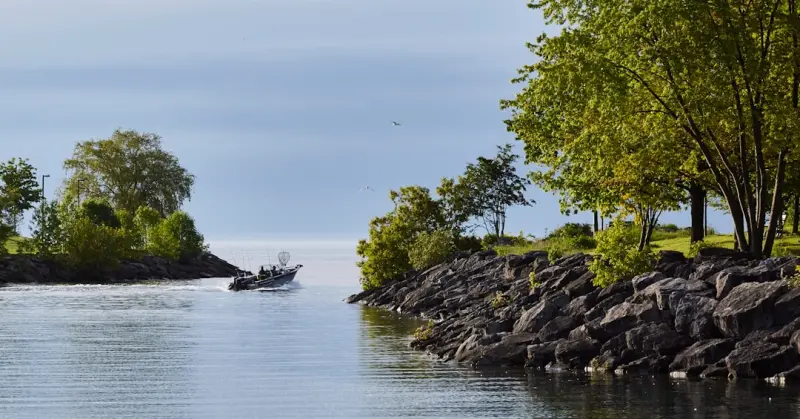
When the first light of dawn drapes itself over the Ontario shoreline, the world feels like it’s holding its breath. I’ve spent more summers with a rod in my hand than I have with a laptop, and each cast has taught me something about patience, geography, and the subtle choreography of ecosystems. This isn’t a guide that merely lists the biggest trophy fish or the most popular charter services; it’s a personal map of the quieter corridors, the overlooked tributaries, and the cultural currents that make Ontario fishing a living, breathing experience.
Why the Lesser‑Known Waters Matter
Ontario boasts over 250,000 lakes, but the spotlight rarely shines on the smaller, more secluded bodies of water. These hidden gems often host robust, under‑exploited populations of walleye, smallmouth bass, and northern pike. Because they’re off the radar, they tend to be less pressured, giving anglers a better chance at a sustainable catch and a deeper connection to the environment. The trick is learning to read the land—rock outcrops that create drop‑offs, submerged logs that serve as ambush points, and the seasonal flow patterns that dictate where fish will hold.
Reading the Landscape: Terrain as a Compass
My favorite technique is to treat the shoreline like a topographic puzzle. Look for:
- Natural Bends: Where a river curves, current slows, and fish often gather to conserve energy.
- Shade and Sunlight: Early morning sun warms shallow flats, drawing bass to the surface, while deeper shadows become prime haunts for walleye in the afternoon.
- Vegetation Overhangs: Overhanging willows or alders provide both cover for fish and a convenient perch for anglers.
By matching your approach to these natural cues, you turn each outing into a strategic, almost meditative exercise.
Gear Talk: Balancing Tech and Tradition
Modern anglers have an arsenal of gadgets at their fingertips—from fish‑finders that project real‑time sonar images to apps that log weather patterns. While it’s tempting to rely entirely on electronics, I’ve found that the best results come from blending tech with the tried‑and‑true feel of a line under tension. For instance, a compact, waterproof fish‑finder can be a game‑changer on a foggy morning, but the subtle “tap” of a bite on a light action rod is often the most reliable indicator of a strike.
When you consider the real cost of connected gear, it becomes clear that investing in a few high‑quality tools—like a robust rod and a reliable reel—outweighs the allure of a full‑suite electronic rig that may never be used to its full potential.
Seasonal Rhythms: Timing Your Trips
Ontario’s climate is a mosaic of micro‑climates, and each season reshapes fish behavior. Here’s a quick cheat sheet:
- Spring (April‑June): As ice melts, fish move into shallower waters to spawn. Light spinners and soft plastics work wonders.
- Summer (July‑August): Heat pushes fish deeper. Early mornings and late evenings are prime; try night fishing with glow‑in‑the‑dark lures.
- Fall (September‑October): Cooling waters trigger feeding frenzies. Large crankbaits and topwater poppers can trigger explosive strikes.
- Winter (November‑March): Ice fishing opens a whole new world. Focus on jigging with small spoons and keep an eye on ice thickness for safety.
Understanding these rhythms not only increases catch rates but also respects the natural cycles that keep populations healthy.
Local Lore: Stories That Shape the Waters
Every lake and river in Ontario carries a story, often whispered by the anglers who have fished them for generations. In the town of Huntsville, locals speak of “the ghost of the old mill,” a spot where a submerged wheel once turned and now acts as a perfect ambush for bass. Near the French River, an elder once told me about a hidden cove where pike have been “guarded” by a family of otters for decades—observing this natural partnership can improve your odds of a bite.
These narratives are more than folklore; they’re practical intelligence passed down through word of mouth. When you tune into the local community—whether it’s a bait‑and‑tackle shop, a canoe club, or an online forum—you tap into a living database of insights that no guidebook can match.
Conservation: Fishing with a Future Mindset
Ontario’s water bodies are under pressure from development, invasive species, and climate shifts. As anglers, we bear a responsibility to protect the habitats that sustain us. Simple actions can make a massive difference:
- Practice Catch‑and‑Release: Use barbless hooks and handle fish gently to minimize stress.
- Mindful Gear Disposal: Remove any lost fishing line or tackle that could entangle wildlife.
- Support Habitat Restoration: Volunteer with local groups that restore riverbanks or clear invasive vegetation.
These practices ensure that future generations can experience the same thrill of a tight line and a shimmering sunrise on the water.
From Farm to Fork: Connecting the Dots
Ontario’s fishing culture doesn’t exist in isolation—it’s part of a broader ecosystem of food production and local economies. The same lakes that nurture fish also support farms that rely on clean water for irrigation. Exploring digital innovations in Canadian agriculture reveals how data‑driven irrigation and soil monitoring help preserve water quality, indirectly benefiting fish habitats.
When you bring home a freshly caught trout, you’re not just savoring a meal; you’re partaking in a chain that links the river’s health, the farmer’s stewardship, and the community’s culinary traditions.
Planning the Perfect Trip: A Checklist
To turn a good day on the water into a great one, I always run through a mental (or written) checklist:
- Weather Forecast: Check wind direction and temperature swings.
- Water Levels: Look up recent rainfall data; high water can alter fish positions.
- Gear Inventory: Verify that rods, reels, and lines are in good shape; pack spares.
- Local Regulations: Confirm licence requirements and any seasonal restrictions.
- Safety Gear: Life jacket, first‑aid kit, and a fully charged phone.
This routine not only maximizes your odds of a successful catch but also ensures you stay safe and compliant with Ontario’s fishing regulations.
Beyond the Catch: The Healing Power of Water
There’s an understated therapeutic element to standing on a quiet dock, the mist curling around your boots, and the gentle lapping of water against the hull. The rhythm of casting, the anticipation of a bite, and the eventual release of a fish all engage the mind in a flow state that rivals any high‑intensity workout. It’s a reminder that fishing is as much about mental clarity as it is about the trophy on the line.
Final Thoughts: Making Every Cast Count
Ontario’s waterways are a tapestry of history, ecology, and personal discovery. By venturing beyond the well‑trodden routes, respecting seasonal patterns, and embracing a blend of modern tools with old‑school instincts, you’ll find that each outing offers a fresh lesson. Whether you’re chasing a trophy bass in a remote lake or simply enjoying a tranquil sunrise over a mist‑shrouded river, remember that the real prize lies in the connection you forge with the water, the fish, and the community that surrounds them.

Related Posts
From Hook to Hearth: Cooking Ontario’s Freshwater Catch
Explore the art of cooking Ontario’s freshwater fish, from sustainable harvesting to campfire reci... Read More
Reeling in Balance: Sustainable Fishing Practices for Ontario’s Lakes
A deep dive into responsible angling in Ontario, offering practical tips on gear, catch‑and‑rele... Read More
High-Tech Angling: How Modern Gadgets Are Transforming Ontario Fishing
From smartphone apps that identify species in seconds to drones that scout hidden reefs, explore how... Read More
Top Posts

Reimagining Canadian Healthcare: Telehealth, Equity & Community Innovation
Megan Morris shares a fresh look at Canada’s healthcare landscape, highlighting telehealth’s rise, Indigenous health collaborations, and grassroots innovati...Read More

Fermentation Nation: Wild Cultures Are Rewriting the Food & Drink Landscape
Fermented foods and drinks are surging in popularity, offering gut‑friendly benefits, bold flavors, and sustainable production. This article dives into the sc...Read More

Rethinking the Real Cost of Living: Subscriptions, Services, and Hidden Price Tags
A deep dive into the unseen expenses that inflate modern living—subscriptions, smart‑home fees, and ride‑hailing costs—plus actionable strategies to aud...Read More

Why Small‑Group Themed Bus Tours Are the Secret to Authentic Travel
Explore why focused, eco‑friendly bus tours with local experts create deeper connections, lasting memories, and a fresh way to travel beyond the typical itine...Read More
0 Comments
Post Comment
You will need to Login or Register to comment on this post!