

Why Color Matters on Your Plate
When I first started curating my meals around a spectrum of hues, I noticed a subtle shift in my energy that no calorie‑counting app could explain. It wasn’t just the visual appeal; the rainbow of vegetables and fruits brings a unique blend of phytochemicals that act like tiny messengers for our bodies. Phytochemical diversity supports everything from antioxidant defenses to hormone balance, and the more varied the colors, the broader the benefits. I began treating my kitchen like an artist’s studio, deliberately selecting crimson beetroot, golden squash, deep‑purple cabbage, and vibrant green kale for each dish. This intentional palette quickly turned meals into moments of mindfulness, where every bite felt both nourishing and celebratory. By the end of the first week, my mood steadied, cravings dulled, and I felt a renewed curiosity about the science behind food’s visual language.
The Science Behind Mood‑Boosting Foods
Researchers increasingly link the compounds that give produce its color to mental well‑being. For example, anthocyanins in blueberries and red cabbage have been shown to improve memory and reduce inflammation in the brain. Meanwhile, carotenoids—those bright orange and yellow pigments in carrots and sweet potatoes—help synthesize neurotransmitters that regulate happiness. The gut microbiome also thrives on the fiber that colorful produce provides, creating short‑chain fatty acids that communicate directly with the brain via the gut‑brain axis. In my own experience, swapping a bland white rice side for a quinoa‑and‑roasted‑pepper medley not only added texture but seemed to lift my afternoon slump. Understanding that each pigment carries a distinct set of nutrients empowers us to design plates that do more than fill us; they actively support a resilient mind.
Growing Your Own Microgreen Rainbow
One of the simplest ways to guarantee a daily dose of color is to cultivate microgreens right on a sunny windowsill. These tiny seedlings pack a nutritional punch equivalent to mature vegetables, often containing 4–6 times the concentration of vitamins and antioxidants. To get started, you’ll need a shallow tray, a quality seed mix (such as radish, mustard, and sunflower), and a light source that receives at least four hours of direct sun each day. Spread the seeds thinly, mist gently, and keep the soil moist but not soggy. Within a week, tender green shoots emerge, ready to be harvested by snipping just above the soil line. The result is a fresh, peppery garnish that adds both flavor and a pop of green to any meal. Because microgreens grow so quickly, you can rotate varieties weekly, ensuring a constantly evolving palette on your plate.
Seasonal Shopping: Tasting the Calendar
Aligning your grocery list with the seasons not only supports local farmers but also maximizes nutrient density. Early spring brings tender asparagus and bright peas, while summer floods the market with heirloom tomatoes, corn, and stone fruits. Autumn introduces earthy beets, squash, and crisp apples, and winter offers hearty root vegetables and citrus that brighten colder days. By planning meals around what’s at its peak, you reduce the environmental footprint of transport and storage, and you reap the freshest flavors. For inspiration on how to weave culinary adventures into daily life, check out culinary road‑trip ideas that can turn a weekend farmers’ market visit into a mini‑exploration of regional taste.
Integrating Traditional Wisdom Without Overcomplicating
Many Indigenous communities have long recognized the healing power of native berries, wild greens, and fermented roots. While I’m not an expert in ceremonial practices, borrowing simple techniques—such as lightly drying pine needles for tea or lightly fermenting carrots in brine—can deepen our connection to the land. These methods preserve nutrients and introduce beneficial probiotics that further support gut health. A modest batch of lightly salted carrots, left to sit for three days, transforms into a tangy side that pairs beautifully with roasted proteins. By honoring these age‑old practices in a contemporary kitchen, we gain both flavor complexity and a sense of continuity with the ecosystems that sustain us.
Meal Planning with the Rainbow Principle
To make colorful eating sustainable, I rely on a weekly “rainbow checklist” that ensures each meal contains at least three different hues. Below is a quick template I use:
- Breakfast: Smoothie with blueberries, mango, spinach, and a splash of almond milk.
- Lunch: Quinoa bowl featuring roasted red pepper, shredded carrots, avocado, and a sprinkle of pomegranate seeds.
- Dinner: Stir‑fry with bok choy, purple cabbage, orange sweet potato, and tofu, finished with a drizzle of citrus‑infused sauce.
This approach prevents monotony, simplifies grocery trips, and makes it easy to track nutrient variety. By visualizing the colors before cooking, I find myself naturally reaching for a broader array of ingredients, which keeps meals exciting and nutritionally balanced.
Budget‑Friendly Strategies for Colorful Nutrition
Eating a vivid diet doesn’t have to break the bank. Buying in bulk, especially when produce is in season, reduces cost per pound dramatically. Farmers’ markets often have “imperfect” vegetables at a discount—these misshapen items are nutritionally identical but sold for less. Joining a Community Supported Agriculture (CSA) program grants you a weekly box of assorted, locally grown goodies for a flat fee, guaranteeing variety without the need for meticulous shopping. For pantry staples, frozen berries and greens retain most of their nutrients and can be a cost‑effective alternative during off‑season months. By combining these strategies, I’ve managed to keep my grocery spend steady while still enjoying a kaleidoscope of flavors.
Mindful Eating: Turning Color Into Consciousness
The act of deliberately choosing colorful foods invites a moment of mindfulness that extends beyond the plate. As you assemble a salad, notice the crisp snap of red radish, the buttery softness of orange carrot ribbons, and the earthy depth of dark leafy greens. This sensory awareness slows the eating process, allowing your body to register fullness cues more accurately and reducing the tendency to overindulge. In my own practice, I set a timer for ten minutes at each meal, focusing solely on taste, texture, and visual appeal. The result is a calmer digestion, heightened appreciation for each ingredient, and a deeper respect for the effort involved in growing that food.
Closing Thoughts: Your Palette, Your Power
Embracing a colorful diet is less about chasing trends and more about honoring the innate wisdom encoded in nature’s palette. Each hue offers a distinct suite of nutrients that, when combined, create a synergistic shield for both body and mind. By growing microgreens, shopping seasonally, and weaving traditional techniques into modern meals, you transform everyday cooking into an act of self‑care and ecological stewardship. I invite you to start small—perhaps by adding a handful of fresh herbs to your next dish—and watch how those subtle bursts of color ripple through your health, mood, and creativity. For a deeper dive into the cultural roots of these foods, explore Indigenous‑led health initiatives, which celebrate the very traditions that inspire this approach.

Related Posts

Fermentation Unleashed: Turning Everyday Produce Into Probiotic Powerhouses
Explore the science and practice of fermentation, learn easy starter recipes, and see how this ageâ€... Read More
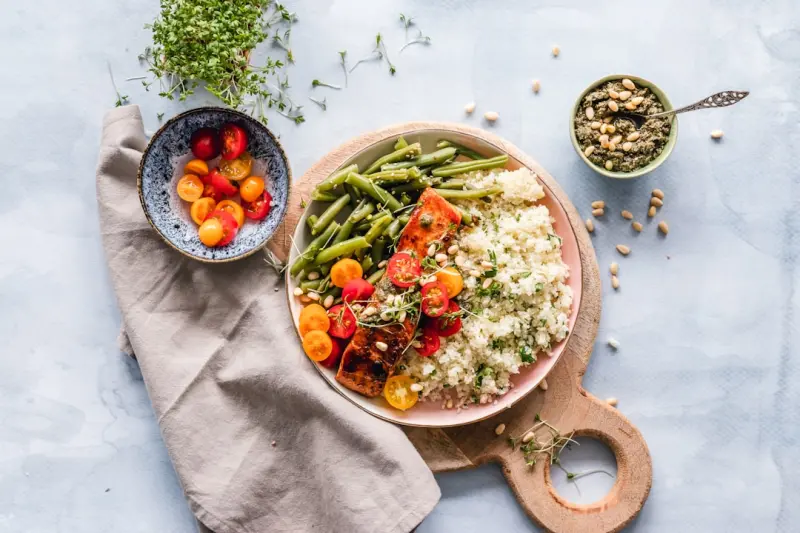
Unlocking Health: The Power of Eating the Rainbow Every Day
Learn why adding red, orange, yellow, green, blue, and purple foods to every meal transforms your he... Read More
Seasonal Foraging: Unlocking Wild Nutrition for Modern Diets
Explore the health benefits, safety tips, and practical recipes for bringing seasonal foraged foods ... Read More
Top Posts

Finding Calm in the Chaos: The Rise of Sensory‑Friendly Travel
Travel can be overwhelming, but a growing movement is making airports, hotels, and attractions sensory‑friendly, ensuring every traveler can explore the world...Read More

The Power of Community-Driven Marketing: How Local Businesses Can Thrive
Community-driven marketing is a powerful tool for supporting local businesses and promoting economic growth. Learn more about the benefits and challenges of com...Read More

Awakening the Senses: A Fresh Lens for Modern Travel
Explore a new travel mindset that engages all five senses, turning ordinary trips into immersive, unforgettable experiences....Read More

The Secret Sauce of SaaS Bundle Savings: How to Pack More Value Into Every License
Learn how to turn SaaS bundles into a sustainable savings engine by mapping features to outcomes, leveraging volume discounts, timing purchases, and using usage...Read More
0 Comments
Post Comment
You will need to Login or Register to comment on this post!