
Why Seasonal Foraging Is the Next Big Thing in Healthy Eating
When I first stepped into a forest in the early spring, the air smelled like a promise. Tiny green shoots were pushing up through the soil, and a subtle tang of wild garlic hinted at the flavors waiting just beyond the trail. That moment sparked a curiosity that has grown into a full‑blown passion: the art of seasonal foraging.
For most of us, the word “forage” conjures images of rugged survivalists or nostalgic childhood picnics. Yet the modern food landscape is shifting. Consumers are craving authenticity, sustainability, and nutrition that goes beyond the processed aisle. Seasonal foraging answers those cravings by reconnecting us with the ecosystems that nourish us, all while delivering a nutrient profile that often eclipses cultivated produce.
In this article, I’ll walk you through the science, the safety basics, and the practical steps you can take to bring wild, seasonal foods into your everyday meals. Whether you’re a city dweller with a weekend cabin, a suburban family looking for a new weekend adventure, or a culinary professional seeking novel ingredients, there’s a place for foraging in your food strategy.
The Nutritional Edge of Wild Foods
Wild plants have evolved over millennia to survive in their native habitats. That evolutionary pressure translates into higher concentrations of vitamins, minerals, antioxidants, and phytochemicals—often at levels that cultivated varieties simply can’t match.
- Vitamin Density: Many wild greens, such as dandelion leaves and lamb’s quarters, contain up to three times the vitamin A and C of their farmed counterparts.
- Mineral Richness: Foods like nettles and purslane are iron and calcium powerhouses, offering a natural boost for those watching bone health or energy levels.
- Polyphenols and Antioxidants: The bitter compounds that give wild greens their distinctive taste also signal a robust antioxidant profile, helping to combat oxidative stress.
These nutrients aren’t just numbers on a label; they have real, measurable impacts on health. Studies have linked regular consumption of wild greens to reduced inflammation, improved gut microbiota diversity, and even better blood sugar regulation.
Seasonality Is the Secret Sauce
Just as urban microgreens offer a burst of nutrition in a small package, wild foods deliver their peak potency when harvested at the right moment. Seasonality dictates not only flavor but also nutrient composition. For example:
- Spring: Tender shoots like ramps, fiddleheads, and early nettles are packed with fresh, bright flavors and high vitamin C.
- Summer: Berries, wild strawberries, and high‑protein seeds like pine nuts provide antioxidants and healthy fats.
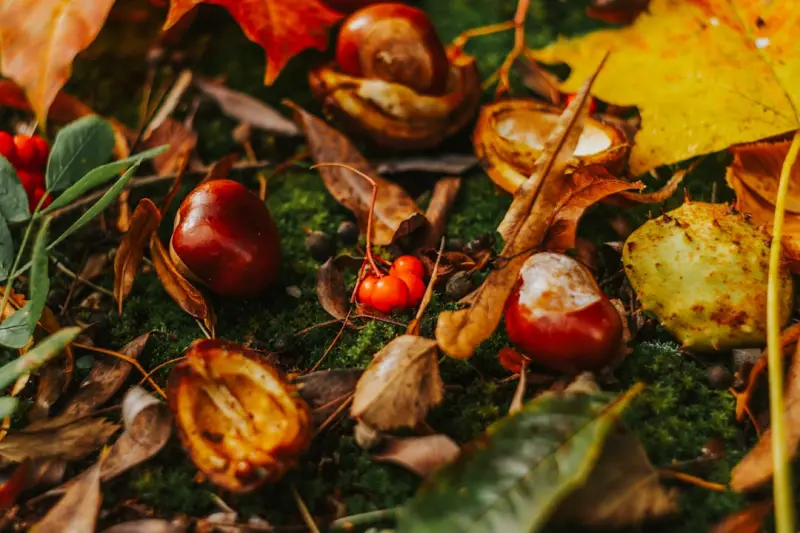
- Fall: Mushrooms, chestnuts, and hardy greens like kale‑type wild cabbage deliver fiber and essential micronutrients.
- Winter: Evergreen shoots such as pine needles and spruce tips offer vitamin C and unique aromatic compounds.
By aligning your diet with these natural cycles, you’ll experience a dynamic range of flavors while keeping your nutrient intake varied and balanced.
Getting Started: A Beginner’s Foraging Checklist
Jumping straight into a forest without preparation can be risky. Here’s a straightforward checklist to ensure a safe and rewarding foraging experience.
- Know Your Local Regulations: Some parks require permits, while others prohibit harvesting altogether. Always check municipal guidelines before you set out.
- Invest in a Good Field Guide: A region‑specific identification book (or reputable app) is essential. Look for clear photos, detailed descriptions, and notes on edibility.
- Start Small: Begin with a handful of well‑known species—dandelion, chickweed, and wild garlic are forgiving and easy to identify.
- Harvest Responsibly: Take only what you need, leave enough for wildlife, and avoid damaging the plant’s root system.
- Test for Allergies: Try a tiny piece of a new plant on the inside of your wrist before consuming larger amounts.
- Clean Properly: Rinse wild foods in cool water and consider a quick blanch to remove any insects or surface contaminants.
Safety First: Avoiding Common Pitfalls
The most common foraging mistake is misidentification. A handful of poisonous look‑alikes can turn a delightful adventure into a medical emergency. Here are a few rules of thumb:
- Never Assume: “If it’s green, it’s edible” is a myth. Many toxic plants are green, and many edible plants are not.
- Beware of Look‑Alikes: For example, wild carrots (Queen Anne’s lace) resemble poison hemlock. Notice the five‑pointed flower clusters and the lack of a smooth, purple stem.
- Consult Multiple Sources: Cross‑reference your findings with at least two reliable resources before deciding a plant is safe.
- Know the Habitat: Some toxic plants only grow in specific soils or near certain water sources.
Integrating Foraged Foods Into Modern Meals
Now that you’ve safely harvested your bounty, the fun part begins: cooking! Foraged foods shine when they’re the star of a simple preparation that respects their natural flavors.
1. Wild Green Salads
Combine a mix of young dandelion leaves, chickweed, and sorrel with a light vinaigrette of apple cider vinegar, honey, and a dash of mustard. The bitterness of the greens balances beautifully with the sweet‑sour dressing.
2. Foraged Pesto
Swap basil for wild garlic or sorrel. Blend with pine nuts, Parmesan, olive oil, and a pinch of sea salt for a vibrant sauce that can be tossed with pasta, spread on toast, or drizzled over roasted vegetables.
3. Mushroom Risotto
Use a blend of chanterelles, morels, and oyster mushrooms. Sauté in butter, deglaze with white wine, and slowly stir in Arborio rice and vegetable broth. Finish with fresh herbs and a sprinkle of cheese.
4. Wild Berry Desserts
Wild strawberries and blueberries make excellent toppings for yogurt, oatmeal, or a simple crumble. Their natural sweetness means you can cut back on added sugars.
5. Nutrient‑Boosted Smoothies
Blend a handful of nettle leaves (blanched to neutralize sting), banana, almond milk, and a spoonful of chia seeds. You get a protein‑rich, iron‑laden drink perfect for a post‑workout recovery.
From Wild to Table: Pairing Foraged Foods with Smart Ingredients
Just as food synergy can amplify health benefits, pairing foraged ingredients with complementary foods can create a nutritional multiplier effect. Here are a few proven combos:
- Nettles + Vitamin C‑Rich Fruits: Vitamin C enhances iron absorption from nettles, making a citrus‑infused nettle smoothie a powerhouse for anemia prevention.
- Wild Garlic + Healthy Fats: The sulfur compounds in wild garlic are fat‑soluble, so cooking it with olive oil or avocado helps your body absorb the antioxidants more efficiently.
- Mushrooms + Selenium‑Rich Foods: Pairing mushrooms with Brazil nuts or sunflower seeds maximizes selenium intake, supporting thyroid health.
The Economic and Environmental Upside
Foraging isn’t just good for personal health; it’s also a low‑impact, cost‑effective food source.
- Reduced Carbon Footprint: Harvesting locally eliminates transportation emissions associated with imported produce.
- Seasonal Cost Savings: Wild foods are free (aside from your time) and can offset grocery bills, especially for specialty items like mushrooms or wild herbs.
- Habitat Preservation: When done responsibly, foraging encourages stewardship of natural areas, fostering a community invested in ecological health.
Bridging the Gap: Technology Meets Tradition
While foraging feels ancient, modern tools are making it more accessible than ever. Apps that use AI to identify plants via photo, GPS mapping of abundant foraging zones, and online communities sharing harvest reports are democratizing knowledge.
Even the Data‑Driven Kitchen concept can be applied: track the nutritional data of the wild foods you collect, log seasonal patterns, and adjust your diet based on measurable outcomes. Think of it as a personal health dashboard powered by the forest floor.
Integrating Foraging Into a Corporate Wellness Program
Forward‑thinking companies are already leveraging the benefits of wild foods to boost employee well‑being. Here’s how you can pilot a foraging‑based wellness initiative:
- Organize Guided Forage Walks: Partner with local naturalists to lead safe, educational outings for staff.
- Host Cooking Workshops: Teach employees how to transform their harvests into quick, nutritious meals.
- Track Health Metrics: Use wellness platforms to monitor changes in energy levels, mood, and even biometric data after participants incorporate foraged foods.
- Celebrate Seasonal Bounty: Feature a “Wild Food of the Month” in the cafeteria, highlighting its health benefits and offering sample dishes.
This approach not only improves nutrition but also fosters team bonding and a deeper connection to the local environment.
Getting Started: Your First Forage Checklist
Ready to embark on your foraging journey? Here’s a printable checklist you can take on your next hike:
- Field guide or identification app (downloaded offline)
- Small mesh bag for harvesting
- Gloves (optional but useful for stinging nettles)
- Water bottle (stay hydrated)
- Notebook for recording locations, dates, and species
- Camera or phone for photos (helps with later identification)
Remember, the goal is to cultivate curiosity, respect the land, and enrich your diet with nature’s hidden gems. The next time you hear the rustle of leaves underfoot, consider it an invitation to explore a world of flavor and health waiting just beyond the beaten path.

Related Posts
Rediscovering Uncommon Vegetables: A Fresh Path to Everyday Nutrition
A deep dive into overlooked vegetables—kohlrabi, celtuce, tatsoi, and more—revealing their uniqu... Read More

Ferment Your Way to a Stronger Gut: A DIY Guide for Busy Professionals
Fermentation offers a simple, science‑backed method to add probiotics, flavor, and longevity to ev... Read More
Unlocking the Power of Seasonal Superfoods for Everyday Vitality
Explore fresh, seasonal superfood swaps, pantry essentials, and mindful eating habits that turn ordi... Read More
Top Posts

The Conversational Commerce Revolution: Why Brands Must Start Talking
A deep dive into conversational commerce, revealing why voice and chat are the new must‑have marketing channels, complete with practical steps to integrate th...Read More

Rethinking the Way We Travel: A Journey of Self-Discovery and Cultural Immersion
Traveling is not just about visiting new places; it's about immersing ourselves in different cultures, meeting new people, and discovering new aspects of oursel...Read More
Sprouting Secrets: Turning Seeds into Supercharged Snacks
Learn the science, steps, and creative uses of sprouting to create nutrient‑rich micro‑greens at home, reduce waste, and boost immunity—plus tips for safe...Read More

Cybersecurity Legislation in Canada: Politics, Power, and the Path Forward
A deep dive into the political dynamics behind Canada’s latest cybersecurity legislation, examining federal‑provincial tensions, party narratives, Indigenou...Read More
0 Comments
Post Comment
You will need to Login or Register to comment on this post!