

The Rise of Community Health Hubs: A New Model for Accessible Care in Canada
When I first stepped onto a bustling downtown clinic in Toronto, the waiting room felt like a relic from a bygone era—paper charts, long lines, and a palpable sense of inertia. Fast forward a few years, and I’m now touring a modest storefront in rural New Brunswick that doubles as a tele‑health suite, a pharmacy, and a community gathering spot. The contrast is stark, and it tells a story that’s beginning to reshape how Canadians think about getting well: the community health hub.
Why the Traditional Hospital‑Centric Model Is Struggling
Canada’s health system has long been celebrated for its universal coverage, yet the delivery model is heavily weighted toward large hospitals and specialist centres. This architecture creates several systemic frictions:
- Geographic mismatch. Canadians living outside major urban corridors often travel hours for a simple blood draw or a routine vaccination.
- Capacity bottlenecks. Emergency departments are routinely overrun, leading to extended wait times and, in some cases, adverse outcomes.
- Fragmented care pathways. Patients bounce between primary care physicians, specialists, and ancillary services, each with its own record‑keeping system.
These pain points aren’t just inconveniences; they drive up costs, erode trust, and, most importantly, compromise health outcomes. The solution isn’t more megahospitals—it’s smarter, community‑embedded nodes of care.
What Exactly Is a Community Health Hub?
A community health hub is a compact, multidisciplinary facility that consolidates primary care, preventive services, mental‑health support, and digital health tools under one roof. Think of it as a “one‑stop shop” for everyday health needs, situated within walking distance of residential neighbourhoods. Key characteristics include:
- Co‑located services. A family physician’s office shares space with a pharmacy, a lab collection point, and a counseling suite.
- Tech‑enabled access. Tele‑consultations, remote monitoring devices, and secure messaging platforms are integrated into the workflow.
- Community integration. Hubs host health‑focused workshops, nutrition classes, and peer‑support groups, turning the space into a health‑literacy catalyst.
- Sustainable design. Many hubs adopt green building principles—natural lighting, solar panels, and energy‑efficient HVAC systems—aligning health outcomes with environmental stewardship.
In short, the hub is a micro‑ecosystem that brings the hospital’s depth of expertise into the neighbourhood’s breadth of everyday life.
How Hubs Are Already Making an Impact
Across the country, pilot projects are demonstrating measurable benefits. In the town of Fort Frances, Ontario, a partnership between the local health authority and a tech startup launched a hub that combined a walk‑in clinic with a digital health kiosk. Within six months:
- Primary‑care appointments increased by 23% as residents opted for the convenient local option.
- Hospital admissions for ambulatory‑sensitive conditions dropped by 12%.
- Patient satisfaction scores rose to 4.7 out of 5, with many citing “the ability to get my meds and a quick video consult in the same visit” as a game‑changer.
Similar successes are unfolding in the Yukon, where a mobile health hub travels to remote First Nations communities, delivering vaccinations, chronic‑disease monitoring, and culturally tailored health education.
Technology as the Backbone, Not the Focal Point
While digital tools are indispensable, the hub model deliberately keeps technology as an enabler rather than the headline. For instance, a human‑first data approach ensures that patient information is collected with consent, used to personalize care, and stored in interoperable formats that speak to both clinicians and patients. This contrasts sharply with the “big‑data” hype that can feel impersonal.
Key tech components include:
- Secure video platforms. Integrated with the electronic health record (EHR) so clinicians can document visits in real time.
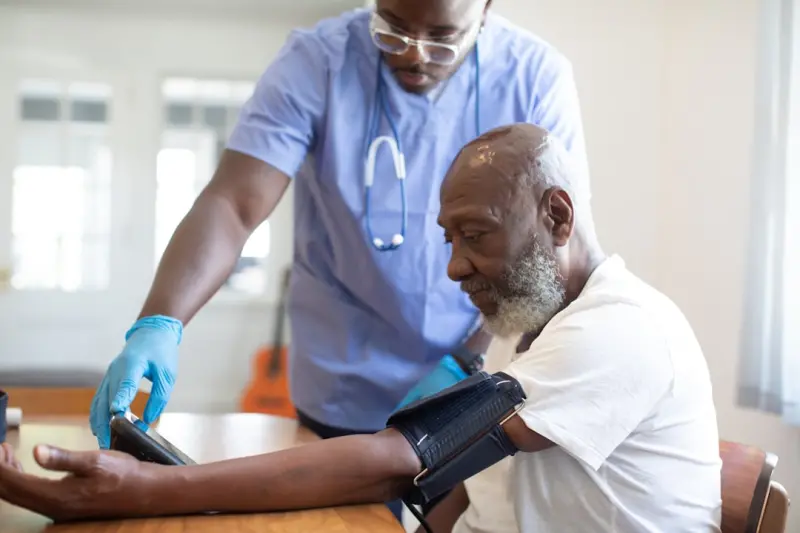
- Remote monitoring kits. Devices for blood pressure, glucose, and pulse oximetry that automatically upload readings to the hub’s dashboard.
- Appointment‑scheduling bots. Simple chat‑based tools that match patients with the right provider slot, reducing administrative overhead.
These tools work best when the hub staff are trained to interpret data in context, turning raw numbers into meaningful conversations.
Financing the Hubs: A Blend of Public, Private, and Community Capital
One of the most compelling aspects of the hub model is its flexibility in funding. While provincial health ministries provide baseline operational costs, there’s room for:
- Community‑owned cooperatives. Residents purchase shares that fund the hub’s capital expenditures, creating a sense of ownership.
- Corporate partnerships. Health‑tech firms contribute equipment or software in exchange for pilot data (under strict privacy agreements).
- Grant programs. Federal initiatives targeting rural health innovation often cover the initial build‑out costs.
In practice, a hub in Calgary secured 30% of its start‑up capital through a local cooperative, 40% from a provincial grant, and the remaining 30% from a health‑tech partnership. This diversified financing model reduces reliance on any single source and fosters community buy‑in.
Addressing Indigenous Health Sovereignty
For many Indigenous communities, the hub concept dovetails with the principle of health sovereignty—self‑determination over how health services are delivered. By situating hubs on reserve lands, First Nations can tailor services to cultural practices, incorporate traditional healers, and ensure data governance aligns with community protocols. The result is a hybrid model that respects both Western medicine and Indigenous knowledge systems.
In British Columbia, a hub co‑managed by a First Nations health authority and a regional health board offers traditional wellness circles alongside chronic‑disease clinics, fostering a holistic approach that resonates with community members.
Challenges to Scaling the Model
Even with promising early results, scaling community health hubs isn’t without hurdles:
- Workforce distribution. Recruiting physicians and allied health professionals willing to work in smaller settings requires incentives and career‑path redesigns.
- Regulatory alignment. Provincial policies must adapt to allow mixed‑service delivery under a single licence.
- Technology integration. Ensuring that telehealth platforms interoperate with existing provincial EHRs can be technically complex.
- Community engagement. Success hinges on genuine partnership with local residents, not top‑down implementation.
Addressing these challenges calls for coordinated effort across government, industry, and civil society.
Lessons From Other Sectors
We can borrow playbooks from areas that have already mastered the hub concept. Take the community solar co‑ops that have democratized energy production: they started small, proved the financial model, and then scaled with community trust. Similarly, the rise of micro‑entrepreneur marketplaces showed how decentralizing services can boost local economies while maintaining quality standards.
By applying these lessons—pilot‑first, transparent governance, and clear value propositions—health hubs can achieve both sustainability and scalability.
The Road Ahead: A Vision for 2030
Imagine a Canada where every neighbourhood has a health hub that:
- Provides same‑day access to primary care, mental‑health counseling, and medication.
- Offers digital health tools that empower patients to monitor chronic conditions from home.
- Acts as a community centre for health education, nutrition workshops, and peer support.
- Operates on renewable energy, reducing its carbon footprint while promoting public health.
In such a scenario, hospitals would focus on complex surgeries and acute emergencies, while everyday health needs are met locally, efficiently, and compassionately. The ripple effects would be profound: lower overall health expenditures, reduced travel emissions, and a healthier, more resilient population.
Getting Involved: What You Can Do Today
Whether you’re a policy maker, a health‑tech entrepreneur, or a community member, you have a role to play:
- Advocate for policy change. Push for legislative frameworks that support mixed‑service licensing and telehealth reimbursement.
- Invest locally. Consider joining a health‑co‑op or supporting community fundraising campaigns.
- Partner with tech firms. Offer pilot sites for new digital health solutions, ensuring they align with privacy standards.
- Volunteer your expertise. Clinicians can provide part‑time hours, while educators can lead health‑literacy workshops.
The momentum is building, and the next wave of healthcare transformation will be community‑driven. By championing the hub model, we can ensure that quality care is not a distant hospital visit but a neighbourly conversation over the kitchen table.

Related Posts

Beyond Brick-and-Mortar: How Virtual Care is Redefining Rural Health in Canada
Virtual clinics are reshaping rural health in Canada, offering same‑day appointments, AI‑driven ... Read More
Reimagining Patient Access: Community Health Hubs Transform Canadian Care
A deep dive into the rise of community health hubs in Canada, highlighting digital identity integrat... Read More

Prescription Delivery and Telepharmacy: Canada’s Quiet Healthcare Revolution
A deep dive into Canada’s emerging digital pharmacy ecosystem, highlighting AI‑driven medication... Read More
Top Posts

Renewal Mastery: Unlocking Unexpected Savings When Your SaaS Contracts Expire
Learn how to turn routine SaaS contract renewals into strategic savings opportunities with data‑driven negotiation tactics, timing hacks, and creative discoun...Read More

Behind the Chambers: How Backbench Influence Is Reshaping Canadian Governance
Backbench MPs, often overlooked, are becoming the engines of Canadian policy through committee work, data‑driven analysis, and strategic negotiations that imp...Read More

AI Health Dashboards: Turning Data Into Daily Vitality
An AI‑driven health dashboard consolidates wearables, sleep, and lifestyle data, offering personalized, privacy‑first nudges that turn everyday numbers into...Read More

When Algorithms Argue: How AI Legal Assistants Are Reshaping the Practice of Law
AI legal assistants are moving from novelty to necessity, offering speed, accuracy, and new client experiences while raising privacy, bias, and regulatory chall...Read More
0 Comments
Post Comment
You will need to Login or Register to comment on this post!