
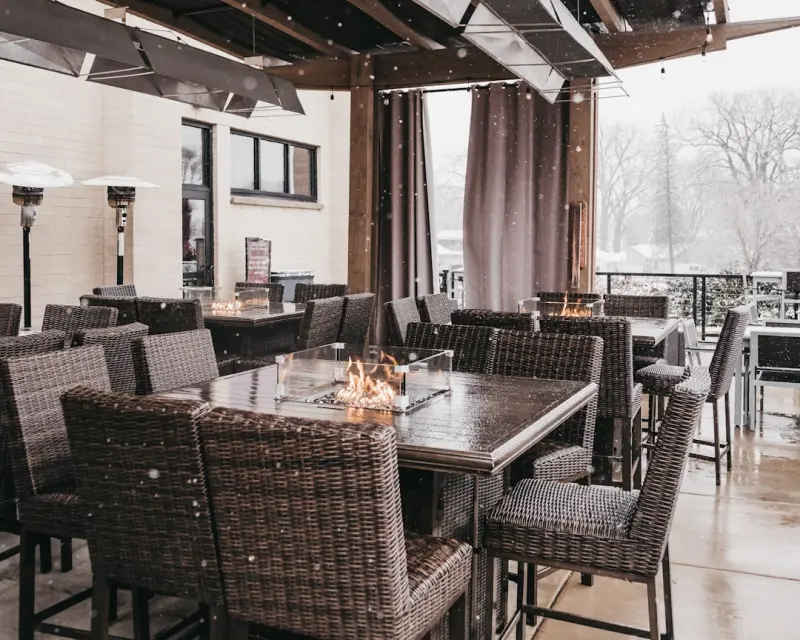
The Rise of Community‑Centric Tables: Dining as a Shared Experience
When I first stepped into a bustling shared‑table concept in downtown Toronto, the energy was palpable. Strangers became collaborators, a casual chat over a shared platter turned into a spontaneous brainstorming session about a new app idea. It hit me—people are craving connection more than a perfectly plated dish. The restaurant industry, after a few years of navigating lockdowns and take‑out spikes, is finally listening.
Community tables are doing more than just fitting more guests into a smaller space. They’re redefining the social contract of a meal: it’s no longer a private transaction between a customer and a kitchen, but a communal event where stories, cultures, and ideas flow freely. This shift is driving a fresh wave of experience‑focused concepts that blend hospitality with the social fabric of neighborhoods.
From Pop‑Ups to Permanent: The Micro‑Restaurant Momentum
Pop‑up kitchens have been the experimental labs of the culinary world for years, but a new breed of micro‑restaurants is moving from temporary hype to lasting institutions. Think of a 20‑seat noodle bar tucked behind a laundromat, or a gourmet taco counter occupying a repurposed shipping container. These spaces are agile, low‑cost, and hyper‑focused on a single culinary identity.
What makes micro‑restaurants truly compelling is their ability to pivot quickly. A change in ingredient availability, a new dietary trend, or a sudden surge in a specific cuisine’s popularity can be addressed within weeks instead of months. This agility, combined with a lower overhead, is attracting a new generation of chef‑entrepreneurs who view the restaurant as a dynamic brand rather than a static storefront.
- Compact footprints mean lower rent, especially in prime urban districts.
- Specialized menus allow chefs to master a niche, creating a loyal fanbase.
- Flexible hours—opening for lunch, closing after dinner, or even operating only on weekends—match the rhythms of the surrounding community.
If you’re a restaurateur considering a pivot, the micro‑restaurant model offers a low‑risk entry point into a high‑reward arena.
Tech Meets Table: Data‑Driven Guest Personalization
While the culinary craft remains at the heart of any restaurant, the backstage is increasingly powered by data. Imagine a reservation system that not only confirms a table but also pulls up a guest’s dietary preferences, past order history, and even their favorite music genre to set the ambience. This level of personalization is becoming a differentiator, especially for establishments targeting affluent urban diners who expect a bespoke experience.
Restaurants can start small—by integrating a simple CRM that tracks repeat guests and their favorite dishes—and scale up to AI‑driven recommendation engines. These tools can suggest menu items in real time, adjust inventory orders based on trending dishes, and even forecast staffing needs for peak hours. The flywheel concept—where satisfied guests become repeat customers, who then become brand advocates—works beautifully when you have the data to nurture each step of the loop.
Don’t overlook the privacy aspect: clear communication about data usage and giving guests control over their preferences builds trust, which is the foundation for any lasting relationship.
Sustainability Without the Guilt: Circular Supply Chains
Eco‑conscious diners are no longer satisfied with a “green” label; they want to see the story behind each ingredient. Restaurants are responding by creating circular supply chains that minimize waste, support local farms, and close the loop on food production.
One innovative approach is the “ingredient lease” model. Restaurants partner with nearby growers to lease a fixed amount of produce for a season. The farmer benefits from guaranteed sales, while the restaurant receives fresh, traceable ingredients that reduce the carbon footprint associated with long‑haul transportation. At the end of the lease, any unsold produce is either repurposed into a special “chef’s surprise” menu or donated to community food banks, ensuring nothing goes to waste.
Another tactic involves collaborating with food‑tech startups that convert kitchen scraps into high‑value products—like mushroom-based protein or natural food colorings. By integrating these by‑products into new dishes, chefs not only cut costs but also tell a compelling sustainability narrative that resonates with today’s diners.
The Role of Storytelling in a Dish
Every plate tells a story, but modern diners want that story amplified beyond the menu description. Visual storytelling—through QR‑coded videos, augmented reality overlays (yes, we’ve seen the AR trend, but there’s still room to evolve it), or live kitchen cams—creates a deeper emotional connection.
Take the example of a heritage dish revived by a second‑generation immigrant chef. By sharing a short video of the chef’s grandmother teaching the technique, the restaurant transports guests to the dish’s cultural roots, making the meal an immersive narrative rather than just sustenance.
Even a simple tasting note card—handwritten on recycled paper, outlining the provenance of each ingredient—can elevate the experience. This tactile element reinforces the sense of care and authenticity that today’s diners are hunting for.
Practical Steps for Restaurateurs Ready to Evolve
Feeling inspired but not sure where to start? Here’s a checklist to transition your restaurant into a community‑centric, data‑savvy, sustainable haven:
- Map Your Community Assets: Identify local farms, art spaces, and cultural events that align with your brand. Form partnerships that can generate mutually beneficial buzz.
- Pilot a Shared‑Table Night: Dedicate one evening per month to a communal seating arrangement. Offer a fixed‑price tasting menu that encourages conversation among guests.
- Implement a Lightweight CRM: Begin tracking guest preferences with a simple spreadsheet or a cloud‑based tool. Use this data to personalize future visits.
- Explore Micro‑Location Opportunities: Test a pop‑up or a delivery‑only kitchen in a low‑rent area to gauge demand before committing to a permanent micro‑restaurant.
- Close the Loop on Waste: Partner with a local composting service or a startup that upcycles food scraps into ingredients for a new line of dishes.
- Tell the Tale: Equip your servers with QR codes linking to short videos or stories about the dish’s origins. Encourage chefs to share anecdotes during plating.
These actions can be rolled out incrementally—don’t feel pressured to overhaul everything at once. The key is to stay curious, listen to your guests, and let data and community feedback guide your evolution.
Looking Ahead: The Future Table
The restaurant landscape is entering a period of vibrant hybridity. Community tables will coexist with intimate chef‑spearheaded micro‑restaurants, all while data‑driven personalization and circular supply chains become the norm rather than the exception. Those who embrace this blended approach will not only survive the shifting culinary tides but will set the stage for a dining experience that feels both futuristic and deeply rooted in the present.
In the end, the most compelling meals are the ones that nourish both the palate and the soul—by bringing people together, respecting the planet, and speaking a language that resonates with the individual diner. As we move forward, I’m excited to see how chefs, technologists, and community leaders will continue to collaborate, crafting experiences that are as unforgettable as the flavors on the plate.

Related Posts
When the Kitchen Becomes a Stage: Elevating Restaurant Culture Through Storytelling
Learn how to turn every dish, décor, and staff interaction into a compelling narrative that engages... Read More

Beyond the Plate: How Data, Ghost Kitchens, and Sensory Design Are Redefining Modern Restaurants
A deep dive into three emerging forces—data‑driven menus, ghost kitchen flexibility, and sensory... Read More

Ghost Kitchens: The Secret Sauce for Modern Brands
Ghost kitchens have evolved from cost‑saving hacks into brand incubators, offering restaurants dat... Read More
Top Posts

Inside Canada’s Healthcare: What’s Working and What Needs Fixing
A candid look at Canada’s health system reveals the balance of universal care, hidden challenges, and actionable steps for patients to thrive within the syste...Read More

Narrative Architecture: Building Story‑Driven Marketing Engines for SaaS
Learn how to design a narrative architecture that turns every marketing touchpoint into a cohesive story, driving demand, accelerating sales, and fostering bran...Read More

From Gown to Goal: Turning Graduation Momentum into Career Capital
Graduation and prom are high‑energy milestones that can be strategically leveraged for career growth. Learn to capture the emotional surge, turn outfits into ...Read More

Wellness on the Move: Curating Calm in Cruises & Bus Tours
A deep dive into emerging wellness‑focused strategies for cruises and bus tours, from digital‑free windows and aromatherapy corridors to community‑driven ...Read More
0 Comments
Post Comment
You will need to Login or Register to comment on this post!