
From City Commute to Lakeside Lodge: The Cottage Comeback Shaping Canadian Living
When I first moved to Toronto, my idea of “home” was a tiny loft with a skyline view and a coffee shop on every corner. Fast‑forward a few years, and the word “cottage” has slipped into everyday conversation—not as a nostalgic footnote, but as a concrete solution to the modern work‑life equation. The surge of remote‑friendly policies, a growing desire for mental‑reset spaces, and a renewed appreciation for local ecosystems are converging to rewrite how Canadians think about seasonal living.
Why the Cottage Is No Longer a Summer‑Only Retreat
For generations, cottages were weekend‑only escapes, visited during school holidays or long‑summer vacations. Today, the same wooden cabins and lakefront shacks are being transformed into year‑round work hubs. Several forces are driving this shift:
- Hybrid work policies: Companies are finally trusting employees to deliver results outside the office, making a daily commute optional.
- Digital infrastructure upgrades: High‑speed broadband is no longer a luxury limited to urban cores; it’s spilling into rural municipalities, often funded by provincial connectivity initiatives.
- Well‑being data: Studies from Canadian universities consistently show that exposure to natural light, fresh air, and water reduces stress hormones by up to 30 %.
These factors aren’t just coincidences; they’re part of a broader cultural recalibration that values balance over hustle. The cottage, with its built‑in connection to water, forest, and sky, is the perfect vessel for that balance.
The Architecture of Modern Cottage Living
Traditional cottages were built for seasonal comfort: wood‑stove heat, simple insulation, and a layout that prioritized communal spaces over private offices. The new wave of cottage owners is marrying that heritage with contemporary design principles:
- Smart climate control: Integrated thermostats that learn your preferred temperature and adjust automatically, reducing energy waste.
- Modular workspaces: Fold‑away desks, acoustic panels, and natural light‑maximizing windows that turn a living room into a productive office without sacrificing the relaxed vibe.
- Eco‑friendly upgrades: Solar panels, rainwater harvesting systems, and composting toilets that align with Canada’s climate‑forward ambitions.
These upgrades don’t just improve comfort; they also make the cottage a viable long‑term asset. When you can host a client meeting on a lakefront deck while the solar array powers the entire property, you’re selling a lifestyle, not just a vacation spot.
Community‑Powered Co‑Living: The Next Evolution
One of the most exciting developments is the rise of community‑focused co‑living arrangements. Imagine a cluster of cottages around a shared dock, each owned privately but linked by communal amenities: a co‑working barn, a shared garden, and a communal kitchen stocked with local produce. This model blends independence with collaboration, echoing the spirit of traditional Indigenous land stewardship while leveraging modern technology.
In practice, these communities operate on a membership basis. Residents pay a modest fee for access to shared resources—high‑speed internet, conference‑room bookings, and even a rotating schedule of wellness workshops led by local experts. The result is a thriving micro‑economy that supports artisans, food producers, and service providers in the surrounding area.
Technology Meets Tradition: Lessons from Canadian Farmers
Building such ecosystems isn’t just a romantic notion; it’s grounded in real‑world successes. farmers blending tradition with tech have demonstrated how digital platforms can enhance seasonal operations without eroding cultural heritage. The same principles apply to cottage co‑living:
- Data‑driven resource management: Sensors track water usage, energy consumption, and even soil health in community gardens, allowing for precise adjustments that minimize waste.
- Marketplace apps: Local producers list fresh berries, artisanal cheese, or handcrafted furniture, connecting residents directly to the people who make them.
- Collaborative scheduling tools: An online calendar syncs dock usage, workshop sessions, and maintenance windows, keeping the community running smoothly.
When technology respects the rhythm of the land, it amplifies, rather than replaces, the human element.
Economic Ripples: Boosting Rural Economies
Beyond personal well‑being, the cottage comeback injects capital into often‑overlooked rural economies. A single remote worker can generate a cascade of spending: local grocery stores see higher sales, small‑scale tour operators receive bookings for guided hikes, and artisans experience increased demand for handcrafted goods.
Municipalities are catching on. Several Ontario townships have introduced “cottage‑to‑office” tax incentives, offering reduced property taxes for owners who maintain a dedicated workspace within their seasonal homes. This policy not only encourages longer stays but also stabilizes municipal revenues year‑round.
Balancing Privacy and Connectivity
One lingering concern for potential cottage dwellers is the tension between privacy and the desire for constant connectivity. The solution lies in designing spaces that can toggle between “offline retreat” and “online hub” modes:
- Network zoning: Separate Wi‑Fi networks for work devices and personal devices reduce the risk of digital fatigue.
- Digital detox zones: Designated rooms or outdoor spots where no devices are allowed, encouraging mindful breaks.
- Scheduled connectivity: Setting “focus hours” where notifications are silenced, followed by “social windows” for family video calls or virtual coffee chats.
By establishing clear boundaries, residents can enjoy the serenity of the lake while staying professionally agile.
From Micro‑Getaways to Full‑Time Havens
For many, the transition from a weekend escape to a primary residence is gradual. A compact getaway can serve as a test run: spend a week working remotely, assess internet reliability, evaluate local services, and gauge personal comfort. Those who thrive often opt to extend their stays, eventually purchasing or leasing a property outright.
This incremental approach mitigates risk and allows individuals to fine‑tune their ideal work‑life balance before making a full commitment. It also provides a data point for local governments to gauge demand and plan infrastructure upgrades accordingly.
Preserving the Natural Landscape
The surge in cottage residency raises legitimate concerns about environmental impact. However, responsible owners are adopting stewardship practices that protect, rather than degrade, the surrounding ecosystem:
- Low‑impact building materials: Reclaimed wood, non‑toxic paints, and insulated panels that reduce energy consumption.
- Native landscaping: Planting indigenous flora that supports local wildlife and requires minimal irrigation.
- Waste reduction programs: Community composting and recycling hubs that keep the shoreline clean.
When a community collectively embraces these practices, the lake and forest become shared guardians, ensuring that future generations can also find refuge in these natural sanctuaries.
What the Future Holds: A Mosaic of Seasons
Looking ahead, the cottage comeback is poised to become a cornerstone of Canadian living. As more companies adopt flexible work policies, and as broadband reaches even the most remote corners of the country, the lines between “urban” and “rural” will blur. The cottage will no longer be a seasonal footnote but a permanent, integrated part of the national fabric.
Imagine a Canada where a software engineer in Vancouver spends half the year in a lakeside cabin, collaborating with a teammate in Halifax via a shared digital whiteboard, while a family in the Maritimes supplies fresh seafood to the community kitchen. This mosaic of seasons, skills, and stories will redefine what it means to belong to a nation that stretches from the Pacific to the Atlantic.
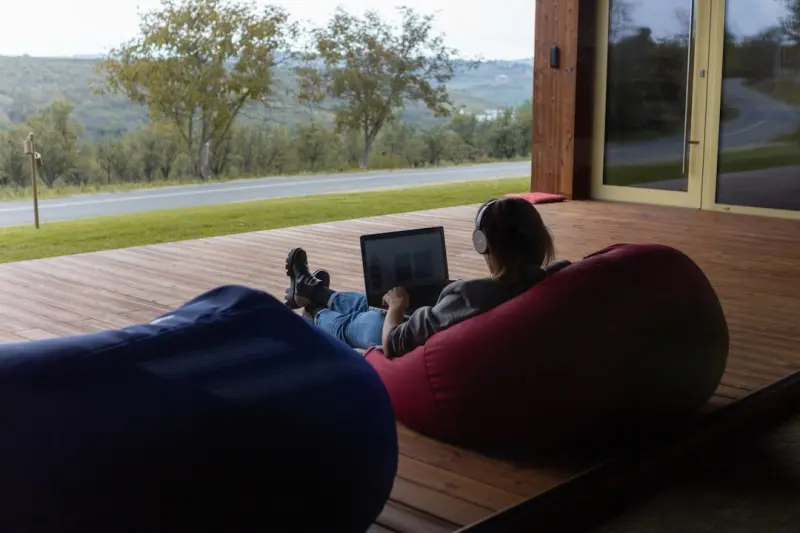
So, if you’re still debating whether to trade your downtown condo for a pine‑scented porch, ask yourself: What does a balanced, resilient life look like for you? The answer might just be waiting on the other side of a wooden dock, with a laptop open, a mug of locally roasted coffee in hand, and the gentle ripple of water reminding you that productivity and peace can coexist.

Related Posts
Cabin‑Office Fusion: How Canadians Are Redefining Work and Play in the Wilderness
A deep dive into the cabin‑office trend shows how relocating to rustic retreats, backed by modern ... Read More
Cabin Revival: Sustainable Comfort for Modern Canadian Living
Discover the rise of cabin living in Canada, where traditional charm meets smart, eco‑friendly upg... Read More

Why Co‑Living Communities Are the Next Big Thing in Canadian Suburbs
Co‑living is redefining suburban life in Canada, offering affordable homes, built‑in community, ... Read More
Top Posts

Living Smarter: A Fresh Take on Today’s Cost of Living Challenges
Discover practical, forward‑thinking ways to lower everyday expenses, boost savings, and thrive financially amidst rising housing, transport, and lifestyle co...Read More

Rail Romance: Rediscovering the Golden Age of Train Travel
Discover why trains are the hottest travel trend, offering sustainable, immersive experiences that blend luxury, culture, and adventure on the rails....Read More

Why Canada’s Senate Needs a 21st‑Century Overhaul
The Senate, once a “sober second thought,” now faces legitimacy and expertise gaps. This post outlines why reform is essential, proposes a hybrid electionâ€...Read More

Negotiation Playbook: Turning Long-Term SaaS Contracts into Savings Gold
A practical guide that shows how to turn lengthy SaaS agreements into cost‑saving opportunities through strategic negotiation, flexible terms, and smart bundl...Read More
0 Comments
Post Comment
You will need to Login or Register to comment on this post!