
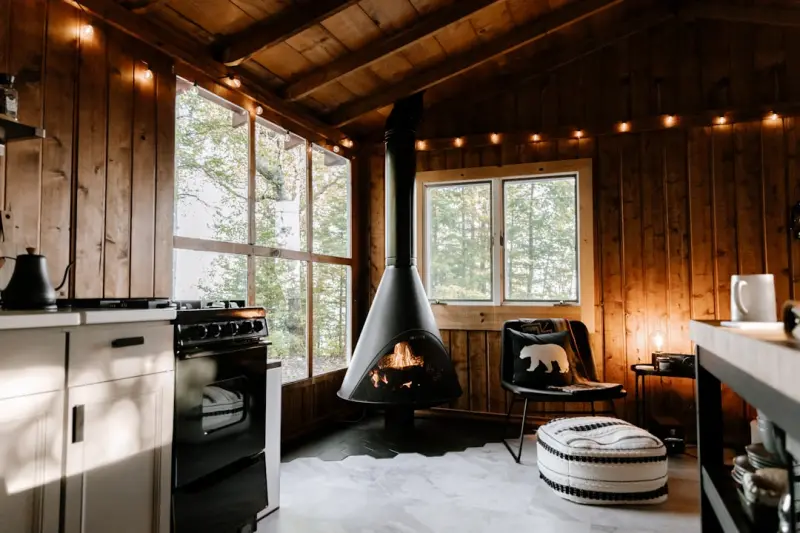
Cozy Cabin Culture: Redefining Home Comfort in the Canadian Wilderness
When I first swapped my downtown condo for a timber‑clad cabin tucked between a spruce forest and a glass‑clear lake, I expected the romance of pine‑scented mornings and evenings spent stargazing. What I didn’t anticipate was how this move would become a catalyst for a broader cultural shift across Canada. Remote work, climate‑conscious living, and a yearning for tangible, place‑based experiences have converged, turning the humble cabin from a seasonal escape into a year‑round lifestyle choice for many Canadians.
From Seasonal Getaway to Permanent Home
Historically, cabins were built as weekend retreats or summer lodges—temporary shelters that offered a respite from city hustle. Today, a growing number of professionals are converting these structures into fully functional homes. The drivers are clear:
- Remote work flexibility: Companies are embracing hybrid models, allowing employees to work from anywhere with reliable internet.
- Rising housing costs: Urban real estate prices have surged, prompting families to seek affordable alternatives without sacrificing quality of life.
- Environmental consciousness: Many Canadians are drawn to off‑grid or low‑impact living, which aligns with broader sustainability goals.
These factors have sparked a surge in cabin renovations, smart‑home integrations, and community building around remote‑rural locales.
Design Principles that Bridge Tradition and Technology
Modern cabin dwellers are not merely swapping concrete for timber; they are redefining what comfort means in a natural setting. Below are the design tenets reshaping the cabin aesthetic:
- Biophilic interiors: Large windows frame the surrounding forest, while indoor plants echo the outdoors, fostering a seamless connection to nature.
- Energy efficiency: Solar panels, heat‑recovery ventilation systems, and high‑R‑value insulation reduce reliance on fossil fuels.
- Multifunctional spaces: Home offices double as craft rooms, and living areas transform into workout studios, reflecting the need for adaptable environments.
- Local craftsmanship: Artisanal furniture, reclaimed wood flooring, and handcrafted textiles celebrate regional heritage.
By blending age‑old building techniques with modern tech, cabin owners achieve a harmonious balance that feels both nostalgic and forward‑thinking.
Building Community in Remote Settings
One myth about rural living is isolation. In reality, the rise of cabin culture has ignited a vibrant, collaborative spirit among neighbors who share similar values. Here’s how communities are forming:
- Tool libraries: Instead of each household buying expensive equipment, residents pool resources, fostering a sharing economy that reduces waste.
- Co‑working hubs: Small, repurposed barns equipped with high‑speed internet become communal workspaces, encouraging networking and collaboration.
- Seasonal festivals: Events like “Maple Harvest Week” or “Northern Lights Photo Walk” bring together locals and visitors, reinforcing cultural ties.
These initiatives echo the ethos of the backyard bounty movement, where shared spaces become catalysts for social cohesion.
Food, Fermentation, and the Cabin Kitchen
Living close to the land invites a fresh relationship with food. Cabin kitchens are evolving beyond the basic stovetop to become culinary labs where preservation techniques thrive. Fermentation, for instance, has surged in popularity, not only for its health benefits but also as a way to extend seasonal produce.
Many cabin owners are experimenting with sauerkraut, kimchi, and homemade kombucha, turning humble vegetables into flavor powerhouses. The process aligns perfectly with the minimalist, low‑waste mindset prevalent among remote dwellers.
For inspiration, check out this deep dive into how home fermentation is redefining modern kitchens. It offers practical tips on getting started, from selecting starter cultures to mastering temperature control in a cabin’s wood‑stove‑heated environment.
Staying Connected Without Losing the Quiet
While cabins celebrate serenity, staying connected to the wider world remains essential—especially for remote professionals. Solutions include:
- Satellite internet: Providers now deliver speeds comparable to urban broadband, ensuring video calls run smoothly even in the most secluded spots.
- Mesh Wi‑Fi networks: Small, battery‑operated nodes distribute signal throughout sprawling properties, eliminating dead zones.
- Community routers: In clustered cabin communities, shared high‑capacity routers reduce costs and improve reliability.
These technologies empower cabin dwellers to maintain productivity while preserving the peaceful ambiance that drew them to the woods.
Seasonal Adaptations: Living Through the Canadian Winter
Canada’s winters are legendary, and cabin owners have turned this challenge into an opportunity for ingenuity. Some adaptations include:
- Passive solar heating: South‑facing windows capture low‑angle winter sun, reducing heating demand.
- Thermal mass walls: Concrete or stone interiors store heat during the day and release it gradually at night.
- Snow‑insulated roofs: Accumulated snow acts as an insulating blanket, keeping interiors warmer.
Beyond technical solutions, winter cabins foster unique social rituals—fire‑side storytelling, hot‑cocoa evenings, and community snowshoe treks—that strengthen bonds and celebrate the season’s beauty.
Eco‑Tourism and the Cabin Economy
The cabin renaissance is also reshaping local economies. Small towns adjacent to popular cabin clusters see spikes in demand for:
- Artisanal groceries and farm‑to‑table restaurants.
- Guided nature tours, wildlife photography workshops, and canoe rentals.
- Handcrafted souvenirs that reflect Indigenous artistry and regional flora.
By attracting visitors who value authenticity over mass tourism, these communities are cultivating a sustainable, low‑impact tourism model.
Preserving Heritage While Innovating
It’s crucial that the cabin movement respects the histories embedded in the land. Many cabin owners collaborate with local Indigenous groups to learn traditional building methods, such as using cedar for its natural rot‑resistance and integrating symbolic carvings that tell stories of the area.
These partnerships not only protect cultural heritage but also enrich the living experience, fostering a deeper sense of place and responsibility.
Challenges and Considerations
Despite its many benefits, cabin living isn’t without hurdles:
- Infrastructure limitations: Not all remote locations have reliable electricity or water, necessitating investment in off‑grid solutions.
- Zoning regulations: Municipal bylaws can restrict permanent habitation in certain zones, requiring careful navigation of legal frameworks.
- Seasonal accessibility: Heavy snowfall can isolate cabins, so owners must plan for emergency supplies and reliable transport.
Addressing these challenges often involves community advocacy, innovative engineering, and a willingness to engage with local governance.
Looking Ahead: The Future of Cabin Living in Canada
As remote work becomes entrenched and climate awareness deepens, the cabin lifestyle is poised to expand beyond hobbyist circles into mainstream housing solutions. Imagine entire neighborhoods designed around low‑impact cabins, complete with shared co‑working spaces, communal gardens, and renewable energy micro‑grids.
Such a vision aligns with broader trends toward decentralization—where people prioritize quality of life, environmental stewardship, and community over proximity to urban centers. The cabin is no longer a retreat; it’s becoming a cornerstone of a resilient, balanced Canadian future.
Getting Started: Your First Steps Toward Cabin Living
If the idea of swapping city streets for pine‑lined pathways resonates, here’s a roadmap to begin your journey:
- Identify your priorities: Determine whether you need a full‑time residence, a seasonal escape, or a hybrid setup.
- Research locations: Look for regions with reliable internet options, accessible roads, and supportive local policies.
- Budget wisely: Factor in purchase price, renovation costs, off‑grid utilities, and ongoing maintenance.
- Engage the community: Connect with existing cabin owners through forums, local meetups, or social media groups to learn from their experiences.
- Plan for sustainability: Incorporate solar panels, rainwater harvesting, and composting toilets from the outset.
Embarking on this path offers a chance to craft a lifestyle that mirrors your values—where work, leisure, and nature coalesce in harmony.
Conclusion: Embracing the Cabin Ethos
Canada’s vast landscapes have always whispered possibilities. Today, those whispers have turned into a chorus, inviting us to reimagine home, community, and work. By embracing cabin culture, we honor the land, nurture our well‑being, and forge resilient connections that transcend geography.
Whether you’re a tech professional yearning for a quieter office, a family seeking affordable living, or an adventurer craving deeper immersion, the cabin offers a canvas upon which you can paint a sustainable, fulfilling future. The woods await—let’s step inside together.

Related Posts

Community Resource Hubs Transform Canadian Living
Canadian neighborhoods are embracing shared tool libraries, community kitchens, and mobile workshops... Read More
Cottage Comeback: Remote Work Revives Canadian Seasonal Living
Remote work is reshaping Canadian living, turning traditional summer cottages into permanent, eco‑... Read More

Tiny‑Home Villages: Canada’s Affordable, Sustainable Living Revolution
Canada’s tiny‑home villages offer a fresh solution to housing shortages, combining low‑cost mo... Read More
Top Posts

Beyond the Horizon: How Modern Cruises and Bus Tours Turn Travel into Personal Storytelling
Discover how today’s cruises and bus tours blend niche themes, smart data, and eco‑friendly practices to turn every trip into a personalized adventure....Read More

Flavor Mapping: How Data Is Redefining the Way We Taste
Explore the emerging practice of flavor mapping, where chefs and mixologists use data to craft personalized menus, reduce waste, and deepen the storytelling pow...Read More

The Hidden Cost of Decision Fatigue and How to Cure It in B2B Teams
Decision fatigue silently hampers B2B growth. This post reveals why endless choices hurt teams, how to redesign processes, and practical steps to free mental ba...Read More

Traveling Scams and How to Avoid Them: Stay Safe on Your Next Adventure
Traveling opens doors to new experiences and unforgettable memories. However, it also exposes you to potential scams designed to separate you from your hard-ear...Read More
0 Comments
Post Comment
You will need to Login or Register to comment on this post!