
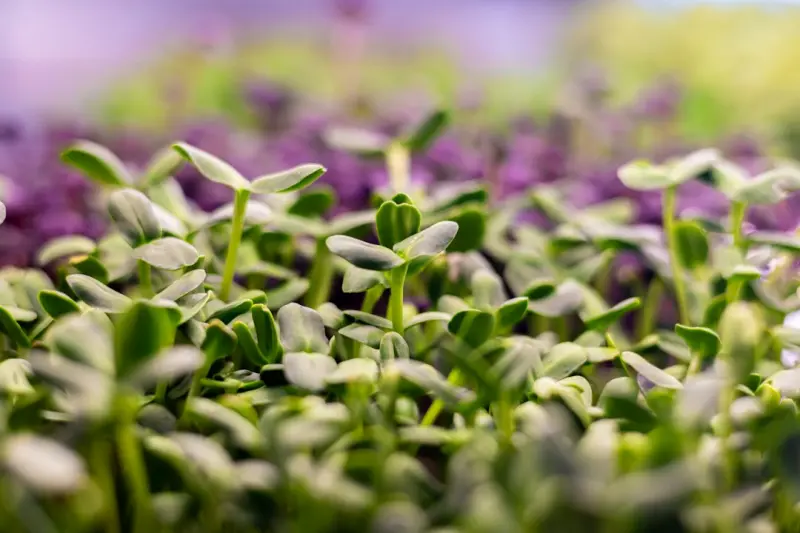
Why Microgreens Are the Unsung Heroes of Modern Nutrition
When I first set up a modest windowsill garden in my Toronto apartment, I was chasing a simple idea: fresh herbs at my fingertips for the occasional garnish. What I discovered, however, was a tiny, vibrant world of nutrient-dense greens that could rewrite the way we think about daily nutrition. Microgreens—those delicate, young shoots of vegetables and herbs—are far more than a culinary garnish. They are a nutritional powerhouse, an environmental ally, and a surprisingly accessible tool for anyone looking to boost health without a massive time or budget commitment.
The Science Behind the Small: Nutrient Density Explained
Microgreens are harvested at the cotyledon stage, typically 7‑21 days after germination, depending on the species. At this early developmental phase, plants allocate a high concentration of vitamins, minerals, and antioxidants to protect themselves against UV exposure and pathogens. Studies have shown that, gram for gram, microgreens can contain up to 40 times more nutrients than their mature counterparts. For example, red cabbage microgreens boast up to 6 times more vitamin C, and sunflower microgreens can have 10 times the vitamin E of mature leaves.
This nutrient burst is not a marketing gimmick; it’s a physiological response. Young seedlings prioritize rapid growth and defense, leading to elevated levels of phytonutrients such as flavonoids, carotenoids, and polyphenols. Those compounds are the same ones linked to reduced inflammation, improved cardiovascular health, and better cognitive function.
Microgreens vs. Traditional Greens: A Practical Comparison
- Space Efficiency: A single tray (approximately 10×20 inches) can yield enough microgreens for a week’s worth of salads for one person, while a full-size lettuce head takes up considerably more room.
- Growth Cycle: Most microgreens are ready to harvest in under three weeks, compared to weeks or months for mature crops.
- Water Use: Because they are harvested early, microgreens require far less water than full-grown vegetables, making them a sustainable choice for urban dwellers.
- Cost: The upfront cost of seeds is modest—often under $2 per tray—while the long‑term savings on grocery bills can be significant.
Getting Started: The Minimalist’s Guide to a Microgreen Setup
Here’s a step‑by‑step roadmap that fits into a busy professional’s schedule:
- Choose Your Seeds: Start with easy‑to‑grow varieties like radish, broccoli, pea shoots, or kale. These are forgiving for beginners and offer a range of flavors.
- Gather Supplies: All you need is a shallow, food‑safe tray, a breathable growing medium (coconut coir or a peat‑based mix), and a spray bottle for misting.
- Prep the Growing Medium: Moisten the medium until it feels like a damp sponge—no standing water.
- Sow Evenly: Sprinkle seeds across the surface and lightly press them into the medium. A gentle tap of the tray ensures good seed‑to‑soil contact.
- Cover and Darken: Place a second tray on top or use a clear dome to keep darkness for the first 2‑3 days. This encourages the seeds to sprout without stretching for light.
- Introduce Light: After the initial darkness, move the tray to a bright windowsill or under a grow light. Aim for 12‑16 hours of indirect light daily.
- Water Daily: Mist the surface lightly each morning and evening. Over‑watering can cause mold, so keep the medium moist, not soggy.
- Harvest: When the first true leaves appear—typically 7‑14 days—snip the greens just above the growing medium with clean scissors. Rinse and enjoy!
Integrating Microgreens Into Everyday Meals
One of the biggest hurdles to healthier eating is the perceived inconvenience. Microgreens dissolve that barrier. Their delicate texture and subtle flavor make them a seamless addition to a wide array of dishes:
- Morning Smoothies: Toss a handful into your blender for a nutrient boost without altering taste.
- Salads and Bowls: Use them as a base or topping—think arugula‑style peppery radish microgreens over quinoa.
- Sandwiches and Wraps: Replace iceberg lettuce with crunchy pea shoots for added crunch and vitamins.
- Soups and Stews: Sprinkle microgreens on top just before serving for a fresh pop of color and antioxidants.
- Egg Dishes: Fold them into omelets or scramble them with eggs for a quick, nutritious breakfast.
Microgreens for Specific Health Goals
Because different species concentrate distinct nutrients, you can tailor your microgreen garden to align with personal health objectives.
Heart Health
Broccoli and kale microgreens are rich in sulforaphane, a compound known to support vascular function and reduce LDL cholesterol.
Immune Support
Sunflower and radish microgreens pack high levels of vitamin E and vitamin C, essential for a resilient immune system, especially during seasonal transitions.
Brain Power
Red cabbage microgreens contain anthocyanins, which have been linked to improved memory and neuroprotective effects.
Microgreens and Sustainability: A Small Step With Big Impact
Urban agriculture often feels like a buzzword, but microgreens turn that buzz into tangible results. Their low water footprint—estimated at 90% less than conventional lettuce—means they are a climate‑friendly choice. Moreover, the short growth cycle reduces the need for long‑distance transportation, cutting down carbon emissions associated with food logistics.
For those looking to further minimize waste, consider reusing the growing medium for a second harvest. While nutrient levels decline, a second round still yields respectable yields, extending the life of the medium and reducing the need for fresh substrate.
Bridging Microgreens With Broader Food Trends
While microgreens stand out on their own, they also intersect with other emerging food narratives. Take the rise of personalized dining trends. As restaurants and meal‑kit services lean into data‑driven customization, microgreens offer an on‑demand, hyper‑fresh ingredient that can be tailored to individual nutrient requirements. Imagine a future where an app analyses your health metrics and suggests a specific blend of microgreens—broccoli for cardiovascular support, sunflower for antioxidant boost—to accompany your dinner.
Similarly, the growing emphasis on offline experiences dovetails with the tactile, mindful act of growing and harvesting your own food. The ritual of sowing, watching, and cutting your own greens can serve as a form of digital detox, grounding you in the present moment while delivering tangible health benefits.
Overcoming Common Challenges
Even the most enthusiastic home growers encounter hiccups. Here’s how to troubleshoot:
- Mold Formation: Ensure proper airflow and avoid over‑watering. A thin layer of perlite on top can improve aeration.
- Uneven Growth: Light intensity may be uneven on a windowsill. Rotate the tray daily or invest in a compact LED grow light for uniform illumination.
- Flavor Overload: Some microgreens, like radish, can be quite peppery. Mix milder varieties (e.g., pea shoots) with stronger ones to balance taste.
The Economic Argument: Savings, Not Just Health
Let’s run a quick cost analysis. A 10‑gram packet of mixed microgreen seeds typically costs $1.50. One tray yields roughly 150‑200 grams of harvest. At an average grocery price of $4 per 100 grams for mature greens, you’re looking at a saving of $4‑$6 per tray. Over a year, a single microgreen setup could offset a substantial portion of your fresh produce budget.
Scaling Up: From Apartment to Community
If you find yourself enamored with the results, consider expanding the concept beyond personal use. Community centers, coworking spaces, and schools can adopt microgreen stations to promote nutrition education and foster a sense of collective stewardship. The low barrier to entry—minimal space, modest equipment, and quick turnover—makes microgreens an ideal pilot project for larger sustainability initiatives.
Final Thoughts: The Tiny Green Revolution
Microgreens embody the principle that big impact can come from small actions. They deliver a concentrated nutritional punch, support mental well‑being through mindful cultivation, and align with broader sustainability goals. Whether you’re a busy professional, a health‑focused parent, or a sustainability champion, integrating microgreens into your daily routine offers a simple yet powerful way to enhance your diet and your environment.

Related Posts
Flavorful Fuel: Rethinking Everyday Meals for Peak Health
A fresh look at turning ordinary dishes into nutrient-packed powerhouses, using simple swaps and min... Read More
Fermented Foods: A Kitchen Journey to Gut Health and Zero‑Waste Living
Explore the art of fermentation—from sauerkraut to kombucha—and learn how these probiotic foods ... Read More
Seasonal Foraging: The Hidden Powerhouse for Modern Nutrition
Explore the health benefits of seasonal foraging, learn practical tips for beginners, and see how wi... Read More
Top Posts

Culinary Storytelling: Turning Menus into Brand Magic
A menu is more than a price list; it’s a story that can transform diners into loyal fans. Learn how to craft compelling culinary narratives that drive revenue...Read More

Reboot Your Health: The Power of Forest Bathing for Urban Wellness
Explore the science behind forest bathing and learn practical steps to integrate nature immersion into a hectic urban lifestyle for lasting health benefits....Read More

Zero-Waste Mixology: Turning Bar Scraps into Signature Sips
Explore the rising trend of zero‑waste mixology, where bartenders and home enthusiasts turn citrus peels, herb stems, and coffee grounds into flavorful cockta...Read More

Rediscovering the Charm of Rural Tourism: A Journey Off the Beaten Path
Explore the best of rural America and discover the charm of small towns and countryside destinations. Learn about the resurgence of rural tourism and how it can...Read More
0 Comments
Post Comment
You will need to Login or Register to comment on this post!