
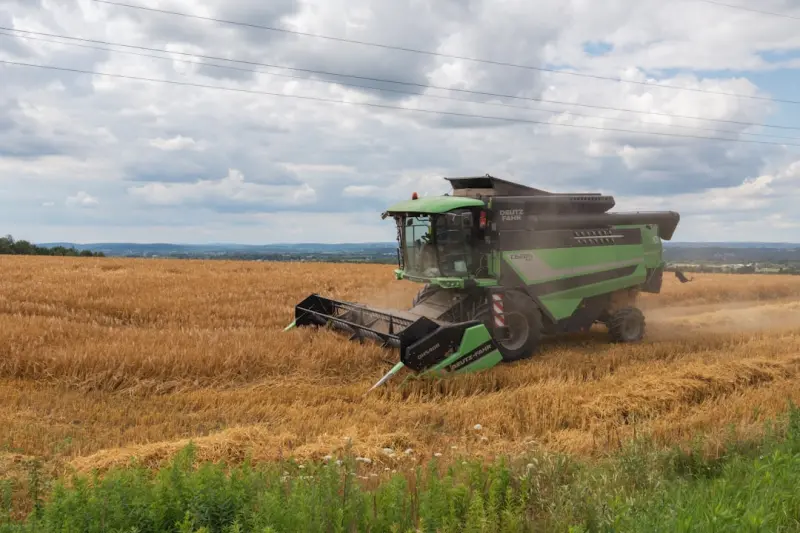
Embracing the Digital Frontier
Canadian farmers are stepping onto a new kind of field—one defined by pixels, data streams, and online storefronts rather than furrows and fences. Digital marketplaces now let producers showcase heirloom beans, heritage grains, and niche dairy products directly to city‑dwelling shoppers, bypassing traditional brokers and shrinking the distance between farm and fork. As the internet becomes as essential as a tractor, many growers are learning to speak the language of e‑commerce, crafting product pages, managing inventory, and mastering logistics with the same care they once reserved for planting schedules.
Data‑Driven Decision Making
Precision agriculture tools, once the exclusive domain of large agribusiness, are finding a home on modest family farms across the Prairies and Atlantic provinces. Sensors embedded in soil relay moisture levels, satellite imagery pinpoints pest hotspots, and AI‑enhanced forecasts suggest the optimal moment to sow or harvest, turning intuition into measurable insight. By integrating these technologies with the very same platforms that host their online sales, farmers can dynamically adjust prices based on yield forecasts, ensuring that the digital shelf reflects the real‑time health of the fields.
Building Trust Through Transparency
Consumers increasingly demand to know the story behind the food on their plates, and digital channels provide the perfect stage for authentic storytelling. Farmers can upload videos of sunrise milking, post time‑lapse reels of wheat swaying under the wind, or share climate‑impact reports that demonstrate sustainable stewardship. This openness not only differentiates their brand but also cultivates a sense of community, turning one‑off transactions into lasting relationships anchored in shared values.
Challenges of Connectivity in Remote Areas
Despite the promise of online commerce, many rural corners of Canada still wrestle with spotty broadband, limited cellular coverage, and the high cost of reliable internet service. Without a stable connection, uploading product photos, processing orders, or responding to customer inquiries can become a daily hurdle that threatens both revenue and reputation. Governments and cooperatives are beginning to invest in fiber‑optic expansions and satellite solutions, yet the rollout remains uneven, leaving some producers to rely on community Wi‑Fi hubs or mobile hotspots to keep their digital storefronts alive.
Collaborative Platforms and Shared Resources
To overcome these obstacles, farmers are forming digital co‑ops that pool resources, share best practices, and negotiate better rates for logistics and technology subscriptions. These platforms act like modern grain elevators, but instead of storing physical grain, they store knowledge, data, and market access. By joining forces, smallholders can collectively purchase bulk shipping containers, secure discounted courier contracts, and even hire shared data analysts to interpret sensor outputs, creating economies of scale that were once reserved for corporate farms.
Empowering the Next Generation
Younger Canadians, many of whom grew up with smartphones and social media, are revitalizing agricultural heritage with a tech‑savvy mindset. They launch Instagram reels that turn a simple field walk into a viral moment, host live Q&A sessions about soil health, and develop mobile apps that let neighbors place orders for fresh eggs with a single tap. This generational shift not only injects fresh energy into rural economies but also challenges long‑standing stereotypes, proving that farming can be as innovative as any startup scene.
Women and Indigenous Voices in Agri‑Tech
Women farmers and Indigenous entrepreneurs are harnessing digital tools to amplify their unique perspectives on land stewardship and food sovereignty. Through online workshops, they teach traditional planting cycles, seed saving, and culturally resonant recipes, while also leveraging e‑commerce to reach markets far beyond their local communities. Their presence reshapes the narrative of Canadian agriculture, highlighting diversity, resilience, and the power of inclusive innovation.
From Virtual Markets to Real‑World Impact
The ripple effects of online farm sales extend well beyond profit margins. Revenue generated through digital channels funds soil regeneration projects, supports local schools, and even finances community health clinics in isolated regions. Moreover, the data gathered from customer preferences helps farmers fine‑tune crop rotations, reducing waste and enhancing biodiversity. By turning clicks into tangible community benefits, the digital marketplace becomes a catalyst for broader social and environmental good.
Future Outlook: A Balanced Blend of Tradition and Tech
Looking ahead, the most successful Canadian farms will be those that harmonize time‑honored practices with cutting‑edge technology, creating a resilient hybrid model. As conversational commerce tools evolve, farmers will converse with customers in real time, offering personalized recommendations and instant support. Coupled with the insights of adaptive storytelling, this synergy promises a future where every acre of Canadian soil is not only productive but also digitally connected, celebrated, and sustainably managed.

Related Posts
The Heart of Canadian Agriculture: A Farmer's Perspective
Canadian farmers are the backbone of our food system, producing high-quality products that end up on... Read More

Co‑ops, Cloud, and Community: The New Playbook for Canadian Farmers
Canadian farmers are turning to cooperative ownership, shared equipment, and cloud‑based marketpla... Read More
Regenerative Roots: Canadian Farmers Turning Fields into Climate Allies
Canadian growers are embracing regenerative agriculture—cover crops, reduced tillage, diverse rota... Read More
Top Posts

Composite SaaS Bundles: The Hidden Engine of Smarter Savings
Learn how strategic composite bundling transforms simple discounts into a powerful savings engine, driving higher revenue, lower churn, and stronger partner eco...Read More
Storytelling on Wheels: How Modern Bus Tours and Cruises Turn Travel into a Narrative Adventure
Travel is evolving from a checklist of sights to a living narrative. This post explores how bus tours and cruise ships are using immersive storytelling, citizen...Read More

Parental Warning: The Hidden Data Harvest Behind Kids’ Apps
Kids’ apps promise education and fun, but many quietly harvest data, push recurring subscriptions, and use reward loops to keep children engaged. This post un...Read More

Eco‑Elegant: Redefining Prom & Graduation Style for a Greener Tomorrow
A fresh take on prom and graduation attire, this guide shows students how to blend style, comfort, and sustainability through rentals, upcycling, and virtual tr...Read More
0 Comments
Post Comment
You will need to Login or Register to comment on this post!