
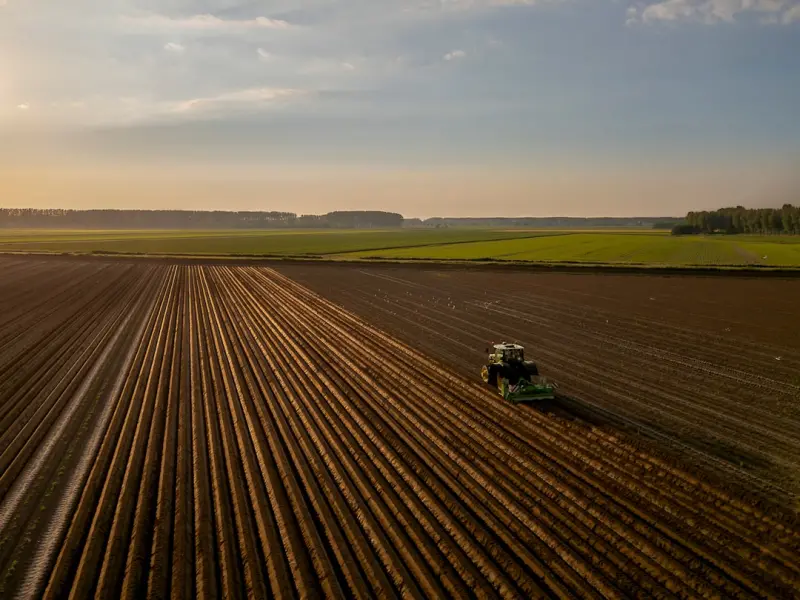
From Soil to Silicon: How Canadian Farmers Are Crafting the Future of Food
When I first stepped onto my grandfather’s farm in southwestern Ontario, the most sophisticated tool I could find was a well‑worn steel plow and a notebook full of hand‑drawn crop rotations. Fast forward a few decades, and the same family fields now hum with drones, AI‑driven irrigation systems, and blockchain‑tracked harvests. The transformation isn’t just a story of gadgets; it’s a cultural shift that’s redefining what it means to be a farmer in Canada.
The Data‑Driven Turn: From Guesswork to Precision
For generations, Canadian growers have relied on weather lore, soil feel, and the occasional tip from the neighbour across the road. Today, Citizen Science: Canada’s Quiet Data Engine Shaping the Nation illustrates how the same crowdsourced data model is being repurposed for agriculture. Sensors embedded in the soil relay real‑time moisture, temperature, and nutrient levels to a farmer’s tablet, allowing adjustments on the fly. No longer do we wait for a rainstorm to determine if a field needs water – the system knows before the clouds gather.
Precision agriculture also means less waste. Variable‑rate technology (VRT) tailors fertilizer and pesticide applications to the exact needs of each row. The result? Higher yields, lower input costs, and a lighter ecological footprint. In the prairie provinces, where the cost of nitrogen can swing dramatically, VRT has cut fertilizer use by up to 30%, translating into both financial savings and reduced nitrous‑oxide emissions.
Bridging Tradition with Tech: Indigenous Knowledge Meets AI
One of the most powerful, yet under‑reported, developments is the collaboration between Indigenous communities and ag‑tech firms. Indigenous stewardship has long emphasized biodiversity, soil health, and cyclical planting. Modern AI platforms are now being trained on these time‑tested practices, creating hybrid models that respect tradition while optimizing productivity.
Take the Haudenosaunee farms in Southern Ontario: they are integrating AI‑driven satellite imagery with centuries‑old “Three Sisters” planting patterns (corn, beans, and squash). The AI suggests optimal planting windows based on micro‑climate trends, while the cultural framework ensures the crops support each other’s growth, naturally enriching the soil and reducing the need for external inputs.
Regenerative Practices: The New Bottom Line
Regeneration isn’t a buzzword; it’s becoming a financial metric. Banks and investors are increasingly rewarding farms that can demonstrate measurable improvements in soil carbon, biodiversity, and water retention. In British Columbia, a cooperative of family farms earned premium pricing for their “regenerative grain” by documenting a 2% increase in soil organic carbon over five years.
Key techniques include:
- Cover cropping – planting legumes and grasses during off‑season to fix nitrogen and suppress weeds.
- No‑till or reduced‑till – preserving soil structure and microbial habitats.
- Managed grazing – rotating livestock to mimic natural herd movements, which stimulates grass root growth.
These practices not only sequester carbon but also improve resilience against the erratic weather patterns that Canada’s climate is seeing more of each year.
From Farm to Table (and Beyond): Digital Marketplaces
One of the biggest hurdles for small‑scale producers has always been market access. The rise of digital platforms is tearing down those barriers. Farmers can now list their harvests on online marketplaces that connect directly with restaurants, retailers, and consumers across the country.
In a move reminiscent of The Sound of Loyalty: How Restaurants Are Turning Meals into Memorable Experiences, chefs are seeking traceable, locally sourced ingredients to tell a story on their plates. Farmers who adopt blockchain traceability can showcase the journey of a carrot from seed to plate, building trust and commanding higher prices.
For example, a family farm in Nova Scotia uses a simple app to post daily updates on their blueberry picks. A boutique bakery in Halifax orders directly, receiving fresh berries within 24 hours. The bakery’s customers love the “farm‑fresh” narrative, and the farmer enjoys a steady cash flow without the middle‑man markup.
Renewable Energy: Powering the Fields
Beyond the crops, many Canadian farms are turning to renewable energy to offset operating costs and reduce dependence on the grid. Solar panels line the tops of barns, wind turbines dot the horizons of the Prairies, and anaerobic digesters convert manure into biogas for on‑site heating.
One case study from Saskatchewan shows a grain farm that installed a 500‑kilowatt wind turbine. The turbine now generates enough electricity to power the entire operation, with surplus sold back to the utility. The farm’s net operating costs dropped by 12%, a margin that can be reinvested into further sustainability projects.
Community Resilience: Co‑ops and Knowledge Sharing
Modern farming is no longer a solitary endeavor. Cooperative models are resurging, offering shared equipment, pooled marketing, and joint research initiatives. The Urban Foraging: Discovering the City’s Hidden Edible Gems piece highlighted community-driven food discovery; similarly, farm co‑ops are fostering a knowledge exchange that accelerates innovation.
Co‑ops enable smaller farms to afford high‑cost technology like drones or AI analytics by splitting the expense. They also serve as incubators for new ideas—think a shared greenhouse where one member experiments with vertical farming, and the results benefit the whole group.
Mind the Gap: Mental Health and Rural Well‑Being
While technology and sustainability dominate headlines, the human side of farming deserves equal attention. The isolation and financial pressures of farm life have taken a toll on mental health across Canada’s rural landscapes. Recognizing this, provinces are launching mental‑health outreach programs tailored for agricultural communities.
Tele‑health services, farmer‑specific counseling hotlines, and peer‑support groups are becoming more accessible. Moreover, the integration of smart tools reduces the cognitive load of managing countless variables, giving farmers more mental bandwidth to focus on strategic decisions rather than daily firefighting.
The Road Ahead: Policy, Innovation, and Collaboration
Government policies are pivotal in shaping the next chapter of Canadian agriculture. Incentives for carbon‑sequestering practices, subsidies for renewable energy installations, and funding for ag‑tech research are all on the table. The key is aligning these policies with the on‑the‑ground realities of farmers who are already experimenting with the very solutions policymakers champion.
Collaboration will be the catalyst that turns potential into practice. Universities, private tech firms, Indigenous knowledge keepers, and farmer co‑ops must co‑design solutions that are scalable, affordable, and culturally respectful. When that synergy clicks, Canada can truly become a global benchmark for sustainable, high‑tech agriculture.
Conclusion: Cultivating a New Identity
Being a Canadian farmer today means wearing many hats: data analyst, steward of the land, community leader, and tech adopter. It’s a role that blends the grit of generations past with the optimism of a digitally connected future. As we sow seeds of innovation alongside corn and canola, we’re also planting the ideas that will feed a nation and inspire the world.
The fields are changing, but the heart of farming—hard work, respect for the earth, and a commitment to feeding our communities—remains steadfast. The next generation of Canadian farmers will inherit not just a piece of land, but a powerful toolkit to nurture it responsibly and profitably.

Related Posts
Regenerative Farming: How Canadian Producers Are Redefining Sustainability
Explore the rise of regenerative agriculture in Canada, from soil health and renewable energy to dig... Read More
From Field to Guest: The Agri‑Tourism Boom Transforming Canadian Farms
Canadian farms are shifting from pure production to destination experiences, using agri‑tourism to... Read More
Regenerative Roots: Canadian Farmers Transform Soil into Climate Solutions
Canadian farmers are turning to regenerative agriculture—cover crops, reduced tillage, and integra... Read More
Top Posts

The Hidden Power of Employee Advocacy: Turning Your Team into Brand Ambassadors
Learn how turning employees into genuine brand ambassadors can amplify trust, expand reach, and fuel growth, all while fostering a vibrant internal culture....Read More

AI in the Courtroom: Balancing Innovation with Legal Responsibility
A deep dive into AI’s courtroom revolution, its promises, pitfalls, and how lawyers can navigate the evolving legal tech landscape....Read More
Harvesting Hope: Turning Canadian Farm Land into Renewable Energy Hubs
Canadian farmers are embracing renewable energy, installing solar arrays and wind turbines to generate clean power, reduce costs, and create new revenue streams...Read More

Unlocking Hidden Savings: How to Turn Everyday Routine into a Deal Goldmine
Learn innovative, habit‑forming tactics that turn everyday activities into a steady stream of savings, using tools, community swaps, and smart timing....Read More
0 Comments
Post Comment
You will need to Login or Register to comment on this post!