
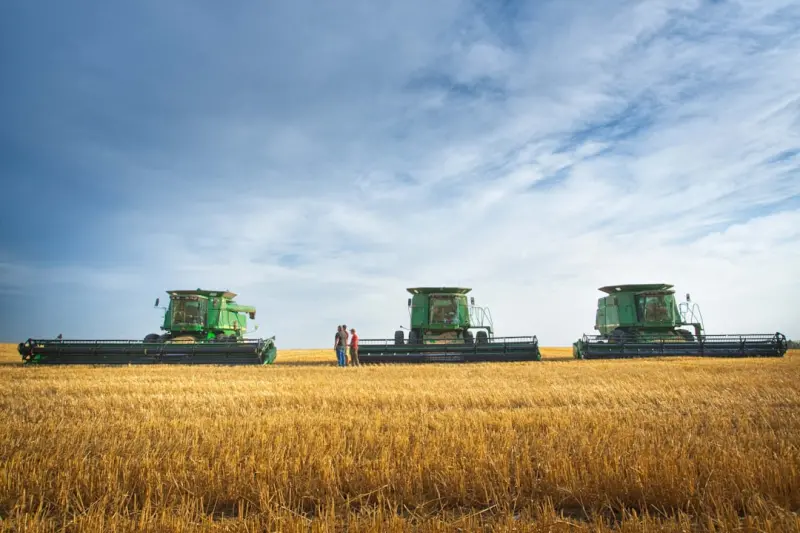
Why the Farm is the New Frontier for Renewable Energy in Canada
When I first stepped onto my uncle’s wheat field in Saskatchewan, the horizon stretched out in a sea of gold that seemed to pulse with quiet potential. It wasn’t just the crops that caught my eye; the windmills standing sentinel over the rows, the occasional solar panel glinting in the late‑afternoon sun, and the hum of a diesel generator that had long been repurposed for something greener. That moment sparked a question that’s been growing louder ever since: What if the very land that feeds us could also power us?
For many Canadian farmers, the answer is already a reality. Across the prairie provinces, the foothills of British Columbia, and even the Atlantic coast, a quiet revolution is unfolding. It’s not about a single technology or a one‑size‑fits‑all solution; it’s a mosaic of wind turbines, solar arrays, biogas digesters, and micro‑hydro projects that together are reshaping the economics, sustainability, and community impact of farming.
The Economic Incentive: Turning Fixed Costs into Revenue Streams
Traditionally, a farmer’s balance sheet is dominated by variables: seed, fertilizer, labour, and the inevitable whims of weather. Fixed costs—land, buildings, and equipment—are the bedrock. Adding renewable energy assets turns a portion of those fixed costs into active revenue generators.
- Wind Energy: A modest 2‑megawatt turbine can generate enough electricity to power roughly 1,500 homes. In the open plains of Alberta and Saskatchewan, where wind speeds average 7–9 m/s, the capacity factor (the actual output compared to maximum possible) often exceeds 35 %. Farmers can lease land to utility companies, earning $15–$20 per megawatt‑hour, or they can own the turbines outright and sell power directly into the provincial grid via feed‑in‑tariff programs.
- Solar Power: Photovoltaic (PV) panels have become dramatically cheaper—down more than 80 % in the last decade. A 1‑MW solar farm on a 30‑acre field can produce enough electricity for a small town. Many farmers are installing “agrivoltaic” systems where solar panels are raised on racks that allow crops to grow underneath, effectively double‑using the land.
- Biogas: Manure and crop residues can be fed into anaerobic digesters, producing methane that powers generators. The resulting electricity can be used on‑farm, and the surplus sold back to the grid. Additionally, the digestate is a high‑quality fertilizer, closing the nutrient loop.
- Micro‑Hydro: In the wetter regions of British Columbia and the Maritimes, small streams provide opportunities for low‑impact hydroelectric projects that can run continuously, complementing the intermittency of wind and solar.
When you add up the revenue from these sources, the numbers are compelling. A combined wind‑solar‑biogas operation on a 500‑acre mixed‑farm can add $200,000–$300,000 to an annual income, offsetting the volatility of commodity markets and providing a buffer against droughts or price slumps.
Policy Landscape: From Incentives to Regulations
Canada’s patchwork of provincial policies plays a huge role in determining how quickly farmers can adopt renewable projects. For instance:
- Ontario’s Feed‑in‑Tariff (FIT) program guarantees a set price for renewable electricity for up to 20 years.
- Alberta’s Renewable Electricity Program (REP) offers competitive contracts for wind and solar projects.
- British Columbia’s Clean Energy Act streamlines permitting for small‑scale hydro and encourages community‑owned projects.
These programs are evolving, and staying abreast of the latest announcements can be a full‑time job. That’s why many farmer‑led cooperatives are forming data cooperatives to share best practices, track performance metrics, and lobby for favorable regulations collectively.
Technology Meets Tradition: The Role of Data and Collaboration
Renewable energy isn’t a “set‑and‑forget” venture. Optimising turbine placement, forecasting solar output, and managing biogas feedstocks all require data—sometimes in real‑time. Modern farms are turning to IoT sensors, satellite imagery, and AI‑driven analytics to make smarter decisions.
Take the example of a wheat farm in the Okanagan that integrated a 500‑kW solar array with an agrivoltaic design. Using a cloud‑based platform, the farmer monitors panel temperature, shading patterns, and soil moisture. The system automatically adjusts the tilt of the panels to maximise sunlight for the crops during early growth stages, then shifts focus to energy generation as the canopy closes. The result? A 12 % boost in wheat yields and a 20 % increase in energy output compared with a static solar array.
Such collaborations echo the principles in our recent piece on regenerative soil practices. Both narratives underscore that data‑driven stewardship—whether of soil carbon or megawatt‑hours—creates resilient, future‑proof farms.
Community Impact: Powering More Than Just the Farmhouse
Renewable projects on farms have ripple effects that extend far beyond the property line. Rural communities often lack reliable, affordable electricity. By generating power locally, farms can supply nearby towns, schools, and health clinics, reducing reliance on distant, fossil‑fuel‑heavy grids.
One inspiring case comes from a family farm in Nova Scotia that installed a 2‑MW wind turbine. The turbine not only covers the farm’s electricity needs but also supplies surplus power to a nearby fishing village. The additional revenue funds a community broadband initiative, providing high‑speed internet to dozens of households—a crucial tool for modern agriculture, tele‑medicine, and remote education.
These projects also create local jobs. Construction, maintenance, and operations of renewable assets require skilled technicians, electricians, and engineers. By investing in training programs—often in partnership with provincial colleges—farmers are fostering a new generation of rural talent.
Challenges: Navigating the Hurdles
While the benefits are clear, the path isn’t without obstacles:
- Capital Costs: Even with falling equipment prices, the upfront investment for turbines, solar inverters, or digesters can run into the millions. Access to low‑interest loans, government grants, or equity partners is essential.
- Grid Connection: Rural transmission lines can be far away, and upgrading infrastructure to handle new generation can be costly and time‑consuming.
- Regulatory Complexity: Permitting processes vary widely between provinces and municipalities. Environmental assessments, especially for wind projects, may raise concerns about bird migration or visual impact.
- Knowledge Gap: Many farmers grew up with generations of agronomic expertise, not electrical engineering. Bridging that knowledge gap often means partnering with renewable consultants or joining peer‑learning networks.
Addressing these challenges requires a collaborative mindset. In recent years, farmer‑led associations have begun pooling resources to hire dedicated project managers, negotiate bulk purchase agreements for equipment, and create shared service models for grid interconnection.
Steps to Get Started: A Practical Roadmap
If you’re a farmer curious about adding renewable energy to your operation, here’s a step‑by‑step guide to help you navigate the process:
- Assess Your Resources: Conduct a site audit—measure wind speeds, solar irradiance, water flow, and manure availability. Tools like the Canadian Wind Atlas and solar maps from Natural Resources Canada can provide baseline data.
- Define Your Goals: Are you looking for additional revenue, energy independence, or a mix of both? Your objectives will dictate the technology mix.
- Explore Funding Options: Research provincial programs, federal incentives (e.g., Canada Greener Homes), and private lenders specialising in ag‑tech finance.
- Engage Stakeholders Early: Talk to neighbours, local municipalities, and Indigenous groups. Transparent communication can smooth permitting and build community support.
- Partner with Experts: Whether it’s a renewable energy developer, a university extension office, or a farmer cooperative, expertise matters. Look for partners who understand the agricultural context.
- Develop a Business Case: Model cash flows, payback periods, and risk scenarios. Include sensitivity analyses for commodity price fluctuations and policy changes.
- Start Small: Pilot projects—like a 100‑kW solar array on a barn roof—allow you to test technology, refine operations, and demonstrate results to investors.
- Scale Up: Once the pilot proves successful, expand to larger installations, integrate multiple technologies, and consider exporting power to the grid or establishing a community micro‑grid.
Success Stories: Canadian Farmers Leading the Charge
Below are three farms that exemplify the diversity of renewable approaches:
- Sunrise Grain Farm, Manitoba: Installed a 1.5‑MW wind turbine in 2022. The turbine supplies 75 % of the farm’s electricity and sells the surplus through a 15‑year power purchase agreement, generating $180,000 annually.
- Maple Grove Dairy, Quebec: Adopted a 500‑kW biogas digester that processes manure from 150 cows. The digester produces 2,000 MWh of electricity per year, enough to power the entire farm and feed excess into the local grid.
- Coastal Veggies, New Brunswick: Utilises a 250‑kW floating solar array on a former gravel pit that now serves as a seasonal wetland. The project not only generates clean energy but also provides habitat for pollinators, boosting vegetable yields by 8 %.
These stories illustrate that renewable energy can be tailored to any farm size, crop type, or geographic region. The key is creativity, data, and community collaboration.
Looking Ahead: The Future of Farm‑Based Energy
As Canada strives to meet its net‑zero commitments, the role of agriculture in the energy transition will only grow. Emerging technologies—such as perovskite solar cells, vertical‑axis wind turbines, and hydrogen produced from biogas—promise higher efficiencies and lower footprints.
Moreover, the integration of energy storage—through lithium‑ion batteries, pumped hydro, or even large‑scale thermal storage—will allow farms to smooth out the intermittency of wind and solar, providing a steady, dispatchable power source that can be sold during peak demand periods.
Imagine a future where every Canadian farm is a hybrid of food production and clean power generation, feeding both our plates and our grids. In that future, the line between farmer and energy producer blurs, creating a resilient, self‑sufficient rural economy.
Conclusion: From Field to Powerhouse
The wind that whistles through the wheat, the sun that kisses the soybean leaves, the streams that carve the valleys—all are abundant resources waiting to be harnessed. By embracing renewable energy, Canadian farmers are not just diversifying income; they are cementing their role as stewards of both the land and the climate.
It’s a story of innovation rooted in tradition, of data‑driven decisions that honour the soil, and of communities that grow stronger when the lights stay on. The prairie horizon is no longer just a backdrop for harvest; it’s a canvas for clean power, painted by the very hands that have cultivated Canada’s bounty for generations.

Related Posts
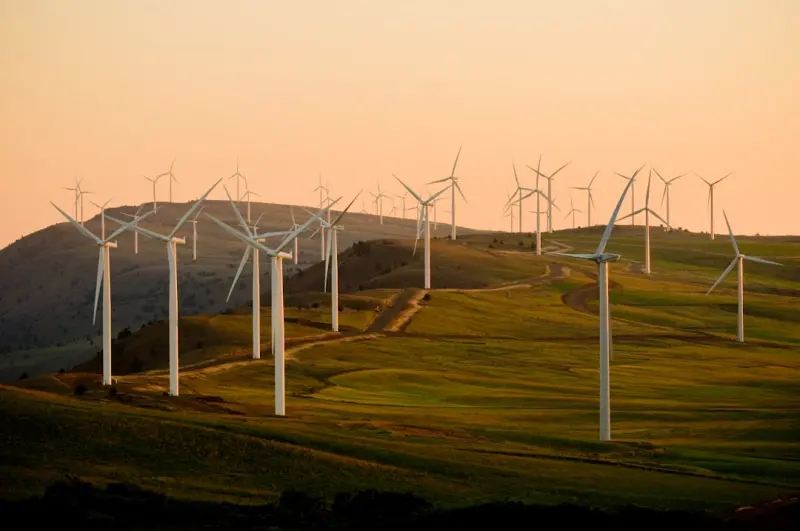
Powering the Fields: How On‑Farm Renewable Energy is Transforming Canadian Agriculture
Canadian farmers are harnessing solar panels, wind turbines, and biogas systems to lower expenses, l... Read More
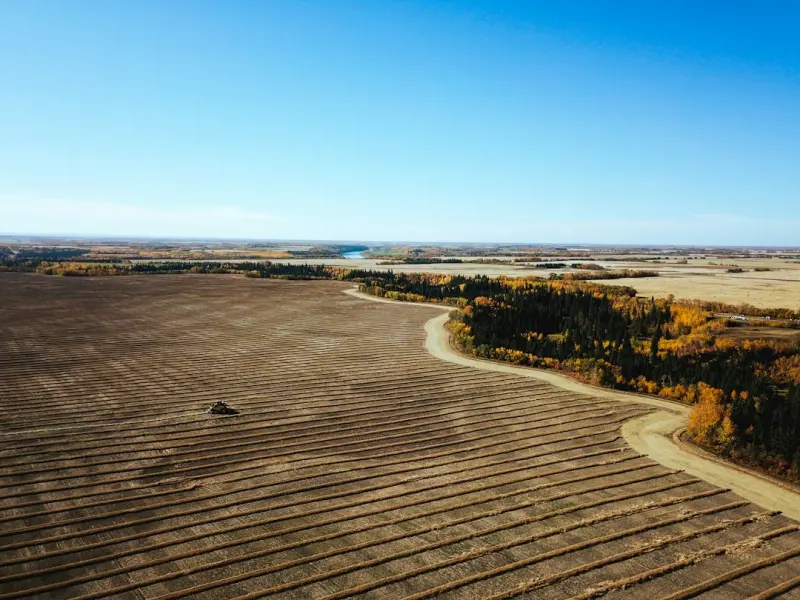
Carbon Farming in Canada: Turning Soil Health into Revenue Streams
Canadian growers are now converting healthy soil into a profitable asset. This post dives into carbo... Read More
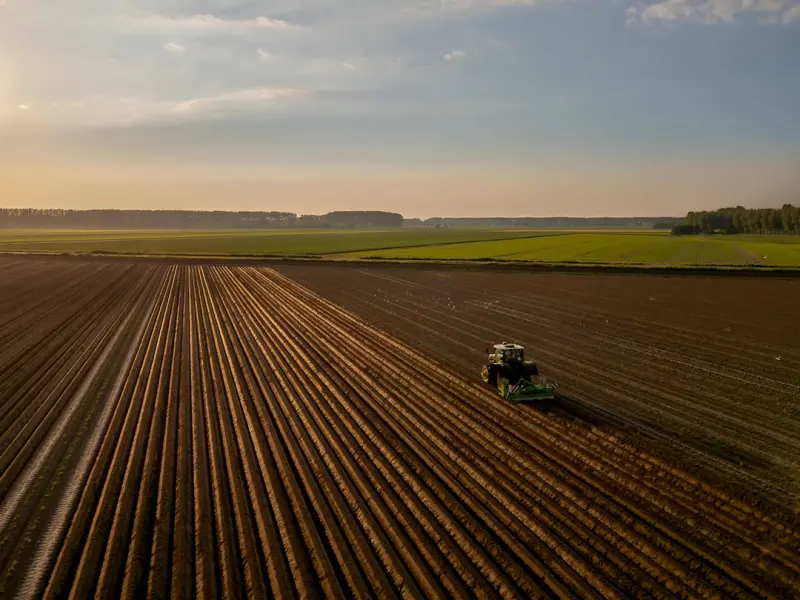
Regenerative Roots: How Canadian Farmers Turn Soil into Climate Solutions
Canadian farmers are reshaping agriculture by adopting regenerative methods that improve soil health... Read More
Top Posts

Beyond Borders: How Digital Nomad Visas Are Redefining Global Work‑Play Balance
Digital nomad visas are transforming travel by allowing remote workers to live and contribute to host communities for extended periods, creating mutual economic...Read More

Seasonal Home Design: Letting Canada’s Four Seasons Shape Your Space
A guide to embracing the rhythm of Canada’s four distinct seasons through thoughtful home design, flexible furniture, smart technology, and community engageme...Read More

Turning Subscription Fatigue into Growth: Strategies for Modern SaaS Companies
Subscription fatigue threatens SaaS revenue, but it’s solvable. Learn practical strategies—outcome‑based pricing, integrated suites, living knowledge base...Read More
Winter’s Silver Screen: How Canada’s Snow Culture is Shaping New Entertainment
Discover the rise of snow‑driven storytelling in Canada, from indie dramas to VR sled rides, and how winter’s chill is reshaping our entertainment landscape...Read More
0 Comments
Post Comment
You will need to Login or Register to comment on this post!