
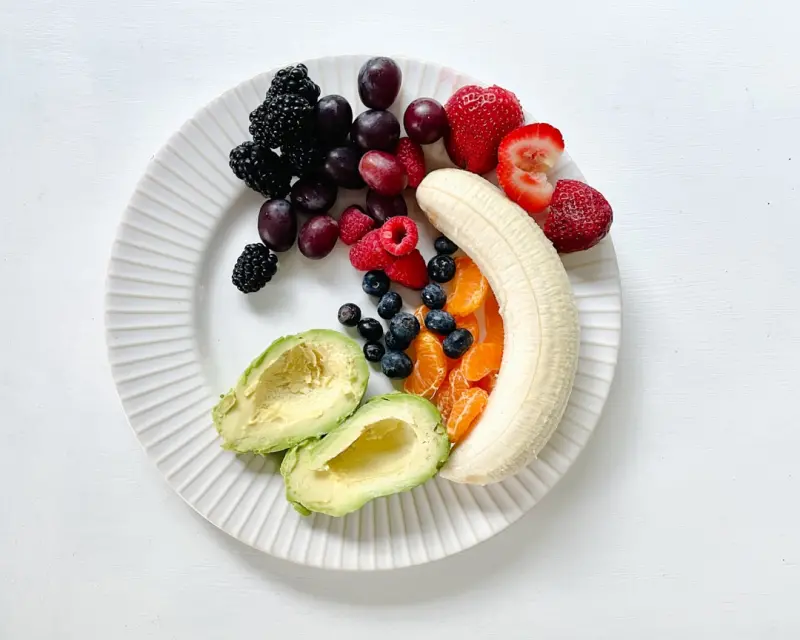
Why the Color on Your Plate Matters More Than You Think
When I first started curating meals for my family, I approached food the way many of us approach a spreadsheet: I listed the nutrients, checked the macros, and tried to hit the numbers on a daily basis. It worked—until the dishes began to look like a bland, monochrome budget report. The taste? Predictable. The excitement? Non‑existent. That’s when I realized that health isn’t just about the numbers; it’s also about the experience. The visual appeal of a meal can actually influence how our bodies process nutrients, how satisfied we feel, and how likely we are to stick with a healthy routine.
The Science Behind Visual Nutrition
Our brains are wired for visual cues. Evolutionarily, bright colors in fruit and vegetables signaled ripeness and nutrient density, while drab hues warned of possible toxicity. Modern research shows that colorful plates can stimulate digestive enzymes and increase the release of dopamine, the feel‑good neurotransmitter that makes us more likely to repeat a behavior.
For example, a study published in the Journal of Food Science found that participants who ate a rainbow of vegetables reported a 20% higher satiety score compared to those who ate the same vegetables in a single color. The simple act of seeing a variety of hues triggers a subconscious expectation of varied textures and flavors, prompting the body to prepare for a more complex meal.
Building Your Rainbow: Practical Tips for Busy Professionals
- Start with a color chart. Before you shop, draw a quick 5‑column grid—red, orange, yellow, green, purple. Aim to fill at least three columns each week.
- Batch‑cook color‑focused sides. Roast a tray of carrots, beets, and sweet potatoes together. The natural sugars caramelize, deepening the reds and oranges while keeping prep time low.
- Use herbs as the final flourish. A sprinkle of chopped cilantro (green) or a dash of paprika (red) adds both visual contrast and a flavor boost.
- Swap white rice for a grain blend. Mix quinoa (off‑white) with black rice or red wild rice to create a striking base for bowls.
- Embrace edible flowers. Nasturtiums, pansies, and violets add a pop of color and a subtle peppery note without any extra calories.
Seasonal Foraging in the Urban Jungle
One of the most exciting ways to diversify your plate is to tap into the seasonal bounty that even city dwellers can access. I’ve discovered that many municipal parks host “wild greens” days, where volunteers identify and harvest edible plants like dandelion leaves, chickweed, and lamb’s quarters. Not only does this practice connect you to the land, but it also adds a fresh, nutrient‑dense element to meals that supermarket shelves rarely provide.
For those who want to go deeper, consider joining a local citizen science group that maps edible plants in public spaces. Participants log their findings, contributing data that helps preserve urban biodiversity while learning safe foraging techniques. The payoff? A pantry stocked with wild greens rich in vitamins A, C, and K, and a story to share at dinner.
Microgreens: The Office Superfood
If you’re like me—juggling meetings, deadlines, and a never‑ending inbox—finding time for a garden can feel impossible. Enter microgreens. These tiny, nutrient‑packed seedlings grow in trays on a windowsill, ready to harvest in just 7–14 days. A handful of radish microgreens can contain up to 40 times the vitamin C of the mature plant.
Here’s a quick office‑friendly routine:
- Purchase a starter kit (soil, seeds, tray) from a reputable supplier.
- Place the tray near natural light or under a grow light.
- Water lightly every other day.
- Harvest with scissors once the first true leaves appear.
Mix the greens into salads, sprinkle over soups, or blend into a smoothie for an instant nutrient boost without the need for a full kitchen overhaul.
Beyond the Plate: Mindful Eating Practices
While color and freshness are essential, the way we eat them matters just as much. Mindful eating—slowing down, savoring each bite, and paying attention to textures—has been shown to improve digestion and reduce overeating. I practice a simple ritual: before I start a meal, I pause for a few breaths, thank the ingredients, and note the colors before I take the first forkful. This brief pause primes the brain to register fullness cues more accurately.
Technology Meets Tradition: Leveraging Nutritional Genomics Wisely
It would be remiss not to acknowledge the rise of personalized nutrition tools that analyze your DNA to suggest optimal food choices. While the concept is intriguing, I approach it as a supplement—not a replacement—for common‑sense eating. The best part about a colorful plate is that it aligns with most genetic recommendations: a diverse range of phytonutrients supports a resilient immune system, regardless of your genetic makeup.
If you’re curious about how your genes might influence your diet, explore resources like nutritional genomics. Use the insights as a guide, not a rulebook, and continue to prioritize variety, seasonality, and visual appeal.
Case Study: A Week of Rainbow Meals in a Corporate Setting
Last quarter, I partnered with the wellness team at a mid‑size tech firm to pilot a “Rainbow Lunch” challenge. Participants were encouraged to create meals featuring at least three different colors each day. Here’s what we learned:
- Engagement spikes. Over 70% of employees posted photos of their plates on the internal Slack channel.
- Energy levels improve. Self‑reported focus scores rose by 15% during afternoons, correlating with higher intake of leafy greens and orange vegetables.
- Reduced snack cravings. The variety in meals helped stabilize blood sugar, leading to fewer trips to the vending machine.
At the end of the challenge, the company compiled a digital cookbook of the best recipes—complete with photos, ingredient lists, and tips for scaling each dish for larger teams.
Practical Recipe: Rainbow Quinoa Power Bowl
This bowl is a template you can customize based on what’s in season or what you have on hand.
- Base: Cook a mix of white quinoa and red wild rice. Season with a splash of lime juice and a pinch of sea salt.
- Veggies: Roast cubed sweet potatoes (orange), steam broccoli florets (green), and sauté sliced red cabbage (purple) with a dash of sesame oil.
- Protein: Add grilled tempeh marinated in tamari and ginger, or opt for a poached egg for extra richness.
- Finishing touches: Sprinkle pomegranate seeds (red), sliced avocado (green), and toasted pumpkin seeds (yellow). Drizzle with a tahini‑lemon dressing.
The result is a symphony of colors, textures, and flavors that keeps both the palate and the mind engaged.
Integrating Colorful Eating into Family Life
Children are naturally drawn to bright, vibrant foods—think of the excitement they feel when presented with a plate that looks like a piece of art. To make healthy eating a family affair, involve kids in the color‑selection process at the grocery store. Let them pick one fruit and one vegetable each week. When they see their choices transformed into a delicious meal, they develop a positive association with wholesome foods.
Addressing Common Misconceptions
“I don’t have time to make colorful meals.” – Planning is key. A weekly prep session where you wash, chop, and portion a variety of vegetables can shave minutes off daily cooking.
“Colorful foods are expensive.” – Seasonal produce is often cheaper, especially when bought from local farmers’ markets or community-supported agriculture (CSA) programs. Bulk‑buy frozen berries and peas—they retain most nutrients and add instant color.
“I can’t eat certain colors due to allergies.” – Substitute with safe alternatives. For instance, if you’re allergic to strawberries, try kiwi or red grapes for that red punch.
Future Trends: The Intersection of Food Design and Health
Designers are beginning to explore how plating aesthetics can influence health outcomes. Imagine a future where smart plates use LED lighting to highlight the nutritional balance of each bite, nudging diners toward more diverse choices. While still in its infancy, this blend of technology and culinary art underscores the growing recognition that visual appeal is a cornerstone of sustainable healthy eating.
Final Thoughts: Eat the Rainbow, Feel the Difference
Healthy eating doesn’t have to be a chore or a checklist. By embracing color, seasonality, and mindful preparation, you transform meals into experiences that nourish both body and soul. Whether you’re a busy professional, a parent seeking to inspire kids, or someone eager to reconnect with nature through urban foraging, the rainbow on your plate is a simple, powerful tool for lasting wellbeing.

Related Posts
Microgreens: The Fast‑Track Superfood for Busy Lives
Microgreens, harvested just days after sprouting, offer a concentrated source of vitamins, antioxida... Read More

Why the Palette of Your Plate Matters More Than You Think
A colorful plate isn’t just Instagram‑worthy; it’s a science‑backed strategy for better immu... Read More
Snack Smarter: Uncovering the Power of Plant‑Based Crunch
A deep dive into plant‑based snacks that combine protein, fiber, and micronutrients with bold flav... Read More
Top Posts

The Sound of Loyalty: How Restaurants Are Turning Meals into Memorable Experiences
Restaurants are moving beyond traditional point systems, using curated soundscapes, health‑focused perks, and community memberships to create immersive loyalt...Read More

Why Voice Search Is the Quiet Disruptor in B2B Marketing
Voice search is quietly redefining B2B marketing. Learn how conversational keywords, structured data, and integration with revenue operations can turn spoken qu...Read More

Reimagining Home: Indigenous Design Principles for Modern Canadian Living
Discover how to incorporate Indigenous design principles into contemporary Canadian homes, blending natural materials, storytelling, and community-focused layou...Read More

Why Canada’s Political Landscape Is Shifting Toward Inclusive Governance
A deep dive into the forces redefining Canada’s politics—from Indigenous representation and youth activism to AI regulation and community hubs—showing a p...Read More
0 Comments
Post Comment
You will need to Login or Register to comment on this post!