
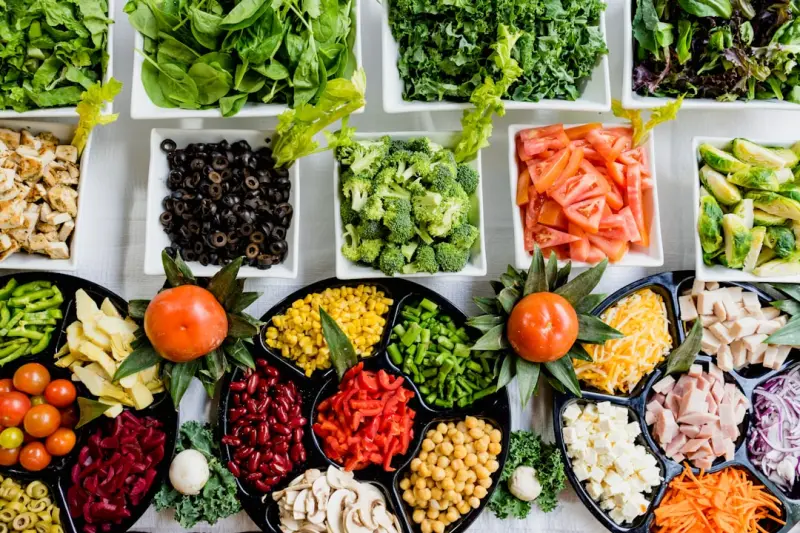
Why Food Pairing Is More Than a Culinary Trend
When I first started experimenting in the kitchen, I was obsessed with taste—finding the perfect balance of sweet, salty, sour, and umami. Over time, a deeper curiosity emerged: what happens inside our bodies when we combine certain foods? The answer is a fascinating blend of biochemistry and tradition, and it’s the cornerstone of what I call nutrient synergy. By pairing foods that complement each other’s nutritional profiles, we can unlock a level of health benefit that isolated ingredients simply can’t deliver.
The Science of Nutrient Absorption
Our digestive system isn’t a passive conveyor belt; it actively decides which nutrients get absorbed and which are left behind. Two key mechanisms drive this decision:
- Enhanced bioavailability: Some vitamins need a partner to become absorbable. For instance, the fat‑soluble vitamins A, D, E, and K dissolve best in dietary fats, meaning a drizzle of olive oil over a kale salad isn’t just gourmet—it’s a strategic move to maximize vitamin uptake.
- Inhibition reduction : Certain compounds can block the absorption of others. Phytates found in raw legumes can bind minerals like zinc and iron, but cooking, soaking, or pairing with vitamin C‑rich foods can neutralize that effect.
Understanding these interactions empowers us to design meals that work with our biology, not against it.
Classic Pairings Backed by Research
Some food duos have stood the test of time, and modern science now explains why they’re so effective:
- Tomatoes + Avocado: The lycopene in tomatoes becomes more bioavailable when paired with the healthy monounsaturated fats in avocado.
- Spinach + Citrus: Vitamin C from orange or lemon juice converts the non‑heme iron in spinach into a form that’s easier for the body to absorb.
- Turmeric + Black Pepper: Piperine, the active compound in black pepper, boosts curcumin absorption by up to 2,000 %—a staggering synergy for anti‑inflammatory benefits.
- Beans + Whole Grains: Combining legumes with grains creates a complete protein profile, offering all essential amino acids in a plant‑based package.
These pairings are not culinary accidents; they’re nutritional strategies you can replicate in everyday cooking.
Global Inspirations: Pairings From Around the World
Exploring international cuisines opens a treasure chest of synergistic combos you may never have considered:
- Japanese Miso Soup with Seaweed: Miso provides probiotic benefits while seaweed adds iodine and trace minerals, together supporting thyroid health and gut balance.
- Mediterranean Chickpea & Feta Salad: Chickpeas offer plant protein and fiber; feta contributes calcium and a dose of beneficial fats from its milk source, aiding mineral absorption.
- Mexican Corn & Black Bean Tacos: Corn supplies niacin, while black beans provide protein and fiber, creating a satisfying, balanced bite.
- Indian Lentil Dal with Ghee: Ghee’s saturated fats help absorb the fat‑soluble vitamins in the spices, while lentils deliver iron and B‑vitamins.
Each of these dishes showcases how cultural wisdom often aligns with modern nutritional science.
Practical Tips for Everyday Pairing
Integrating nutrient synergy into a busy lifestyle doesn’t require a culinary degree. Here are five actionable steps you can start using today:
- Plan with a “fat + vitamin” mindset. Whenever a meal includes a fat‑soluble vitamin source (like carrots, sweet potatoes, or leafy greens), add a modest amount of healthy fat—olive oil, avocado, nuts, or fatty fish.
- Boost iron with vitamin C. Pair iron‑rich plants (spinach, lentils, tofu) with citrus, strawberries, bell peppers, or tomatoes to enhance absorption.
- Include fermented foods to support the gut environment that makes nutrient uptake more efficient. If you’re new to fermentation, start with a simple DIY fermentation guide that fits a hectic schedule.
- Mix protein sources. Combine legumes with grains, nuts with dairy, or fish with legumes to create a full spectrum of amino acids.
- Season wisely. Adding a pinch of black pepper to turmeric‑laden dishes or a splash of lemon to salads can dramatically increase the bioavailability of key compounds.
Tools and Tech to Simplify Synergy
For the tech‑savvy health enthusiast, a handful of apps and online resources can streamline the pairing process. Nutrition trackers now let you tag meals with “pairing notes,” reminding you to add a source of healthy fat or vitamin C next time. Some platforms even suggest complementary foods based on the nutrients you logged earlier in the day. While these tools are handy, the core principle remains simple: think of each plate as a mini‑ecosystem where every ingredient plays a supporting role.
From the Garden to the Table: Leveraging Seasonal Produce
Seasonality isn’t just about flavor; it’s also about nutrient density. Freshly harvested produce often contains higher levels of antioxidants and phytochemicals. Pairing seasonal vegetables with complementary proteins can magnify those benefits. For example, a spring salad of fresh peas (rich in folate) paired with smoked salmon (packed with omega‑3s) delivers a powerful combo for heart and brain health.
If you’re curious about incorporating wild, foraged foods into these pairings, check out the wild foraging insights that can add unique flavors and nutrients to your dishes while keeping you connected to nature.
Transparency Matters: Knowing Where Your Food Comes From
Understanding the journey of your ingredients can help you select higher‑quality pairings. Transparent supply chains reveal farming practices, storage conditions, and processing methods that affect nutrient integrity. Learn more about why transparent supply chains are becoming a health advantage, not just a business buzzword.
Putting It All Together: A Sample Day of Synergistic Eating
Here’s a practical menu that illustrates nutrient synergy from breakfast to dinner:
- Breakfast: Greek yogurt topped with fresh blueberries, a sprinkle of chia seeds, and a drizzle of walnut oil. The healthy fats enhance the absorption of fat‑soluble antioxidants in the berries.
- Mid‑morning Snack: An orange and a handful of almonds. Vitamin C from the orange boosts iron absorption from the almonds’ mineral content.
- Lunch: Quinoa and black bean bowl with roasted butternut squash, kale, and a lemon‑tahini dressing. The citrus in the dressing aids iron uptake from kale, while the tahini supplies healthy fats for the vitamin A in squash.
- Afternoon Pick‑Me‑Up: A small cup of kimchi (fermented cabbage) paired with a slice of whole‑grain toast spread with avocado. The probiotic kimchi supports gut health, while avocado fat helps absorb the carotenoids in the cabbage.
- Dinner: Pan‑seared salmon with a turmeric‑pepper rub, served alongside sautéed spinach and sweet potato wedges. Black pepper boosts curcumin absorption, and the salmon’s fat makes the vitamin A from sweet potatoes more bioavailable.
Notice how each meal contains at least one intentional pairing to maximize nutrient uptake. Over time, these small adjustments compound into noticeable improvements in energy, immunity, and overall well‑being.
Final Thoughts: Make Pairing a Habit, Not a Task
When I first approached food as a set of isolated nutrients, my meals felt like chores. After embracing the concept of nutrient synergy, cooking transformed into a creative experiment—one where each ingredient has a partner to shine with. The beauty of this approach is its flexibility: you can start with a single mindful swap, like adding a splash of olive oil to steamed veggies, and gradually build a repertoire of synergistic combos that fit your palate and schedule.
Remember, the goal isn’t perfection; it’s progress. By consistently pairing foods that complement each other’s strengths, you’ll nurture a body that absorbs more, feels better, and thrives on the natural power of well‑combined nutrition.

Related Posts
Unlocking Health: The Power of Eating the Rainbow Every Day
Learn why adding red, orange, yellow, green, blue, and purple foods to every meal transforms your he... Read More
Why Your Plate Needs a Palette: The Science Behind Eating Colorful
A colorful plate isn’t just Instagram‑friendly—it’s a scientifically proven way to improve n... Read More
Seasonal Superfood Swaps for Everyday Nutrition
Learn practical, seasonal superfood swaps that transform ordinary meals into nutrient‑rich power f... Read More
Top Posts

The Kitchen Playground: How Restaurants Are Crafting Immersive Dining Adventures
Modern eateries are treating kitchens as experimental playgrounds, blending pop‑up labs, cross‑industry collaborations, and multisensory storytelling to cre...Read More

Why a National Data Trust Could Redefine Our Digital Future
A national data trust could return ownership of personal data to Canadians, fueling economic growth, improving public services, and restoring trust in digital e...Read More

How Canada’s Digital Parliament Is Redefining Civic Engagement
A deep dive into Canada’s shift toward digital governance, examining online participation, cybersecurity, Indigenous tech sovereignty, and the promise of e‑...Read More

Screen-Free Sunrise: How Dropping Devices Boost Your Health
A screen‑free sunrise can reset your hormones, sharpen focus, and enhance well‑being. Follow practical steps to ditch devices at dawn and experience lasting...Read More
0 Comments
Post Comment
You will need to Login or Register to comment on this post!