
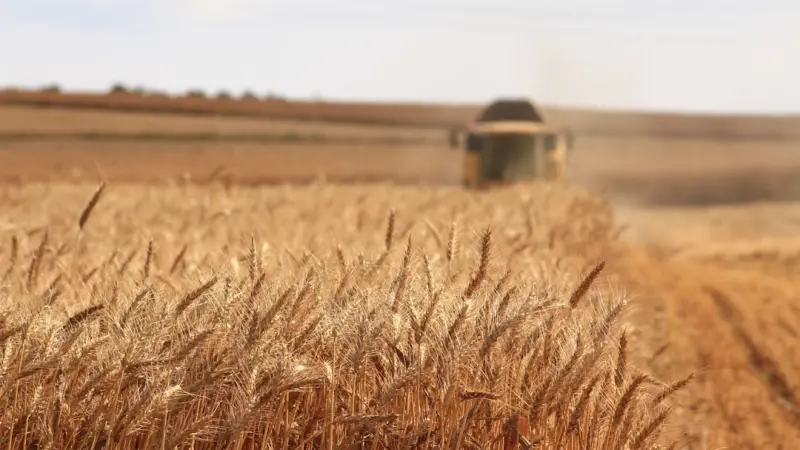
When I first walked out onto my family’s prairie field at sunrise, the horizon was dominated by endless rows of wheat and the distant hum of a diesel tractor. Fast‑forward a few decades, and that same horizon now features gleaming solar arrays, quietly turning wind into electricity, and a modest biogas digester churning farm waste into usable power. This transformation isn’t a fleeting trend; it’s a strategic shift that’s reshaping the economics and identity of Canadian agriculture.
Why Renewable Energy Is No Longer a “Nice‑to‑Have” for Farmers
For generations, Canadian farmers have been at the mercy of volatile commodity prices, unpredictable weather, and rising input costs. Energy—whether it’s the diesel that powers a combine or the electricity that runs a refrigeration unit—has always been a significant line item on the balance sheet. Today, the calculus has changed:
- Cost predictability. Solar and wind produce power at a near‑zero marginal cost after the upfront investment, insulating farms from fluctuating fuel prices.
- Revenue diversification. Net‑metering programs and power purchase agreements (PPAs) allow producers to sell excess electricity back to the grid, creating a reliable secondary income stream.
- Environmental stewardship. Reducing greenhouse‑gas emissions aligns farms with consumer expectations for sustainable food and positions them for emerging carbon‑credit markets.
- Energy independence. On‑site generation safeguards operations during grid outages—a critical advantage in remote northern communities where outages can last days.
These factors combine into a compelling business case that’s prompting more than just a handful of early adopters to join the renewable wave.
Solar on the Farm: From Small‑Scale to Utility‑Scale
Canada boasts an average solar insolation of 4‑5 kWh/m²/day across much of the agricultural belt, a figure that may surprise those who picture the country as perpetually cloudy. Modern photovoltaic (PV) technology has matured to the point where a 1‑MW solar farm—roughly the size of a small grain field—can be installed in a single growing season.
There are three primary deployment models:
- Rooftop arrays. Barn roofs and storage facilities are ideal for modest installations (10‑100 kW). They make use of otherwise dead space and often qualify for accelerated tax credits.
- Ground‑mounted panels. When field margins or low‑yield lands are available, ground arrays can scale to megawatts, delivering enough power to run an entire operation and feed surplus to the grid.
- Agrivoltaics. This emerging practice integrates solar panels with crops, allowing light to filter through or using raised panels that double as shade structures for high‑value horticulture.
Take the case of a wheat farm in Saskatchewan that installed a 500 kW ground‑mounted system on its fallow acreage. Within three years, the farm saved over $150,000 in diesel costs and earned $80,000 in net‑metering credits. The ROI timeline? Roughly eight years, well within the 20‑year lifespan of the panels.
Wind Power: Tapping Into Canada’s Natural Breeze
While solar shines in the south, Canada’s central provinces are blessed with consistent wind corridors. Small‑scale wind turbines (50‑250 kW) can be sited on farm edges or along fence lines, capturing energy without taking up valuable cropland.
Key considerations for wind integration include:
- Wind resource assessment. A year‑long anemometer study is essential to confirm average wind speeds above 5 m/s.
- Zoning and setbacks. Provincial regulations often dictate minimum distances from roads, dwellings, and wildlife corridors.
- Maintenance planning. Turbines require periodic blade inspections and gearbox oil changes—tasks that can be outsourced to specialist firms.
One Manitoba dairy operation installed two 100 kW turbines on its property, offsetting 70% of its electricity demand and freeing up capital to expand its herd. The turbines also serve as an educational showcase for visiting school groups, reinforcing the farm’s community‑engagement profile.
Bioenergy: Turning Waste Into Wealth
Every farm produces organic waste—crop residues, manure, and processing by‑products. Anaerobic digesters convert this biomass into biogas, a renewable source of methane that can power generators, heat buildings, or even be upgraded to pipeline‑quality biomethane.
Benefits of on‑farm biogas systems include:
- Waste management. Reducing the volume of manure lowers odor complaints and mitigates runoff risks.
- Carbon reduction. Capturing methane that would otherwise escape to the atmosphere cuts greenhouse‑gas emissions dramatically.
- Energy autonomy. A 200 kW biogas generator can supply a medium‑sized dairy’s electricity needs, eliminating reliance on external power.
In a collaborative pilot in New Brunswick, a mixed‑crop farm partnered with a local university to build a 150 kW digester. The project not only generated enough electricity for the farm’s operations but also qualified the farmer for a provincial renewable‑energy incentive, shaving $30,000 off the capital cost.
Financing the Transition: From Grants to Green Bonds
One of the biggest hurdles for farmers is the upfront capital required for renewable projects. Fortunately, the financing landscape has evolved:
- Government grants. Programs like the Canadian Agricultural Partnership (CAP) offer up to 30% cost‑share for renewable installations.
- Clean‑energy loans. Financial institutions now have dedicated green loan desks that provide low‑interest, long‑term financing tied to energy‑efficiency outcomes.
- Green bonds. Some large agribusinesses are issuing bonds to fund collective renewable projects across multiple farms, spreading risk and scaling impact.
For smaller operations, a popular model is the National Data Commons platform, which aggregates farm‑level energy data and matches producers with investors looking for sustainable assets. By sharing production metrics, farmers can demonstrate project viability and secure better financing terms.
Regulatory Landscape: Navigating Provincial Nuances
Canada’s provinces each have distinct rules governing renewable energy on agricultural land. While Alberta’s “Farm Renewable Energy Program” streamlines permitting for solar and wind, Ontario’s “Feed‑In Tariff” provides a guaranteed price for electricity fed back into the grid for a fixed period.
Staying compliant requires:
- Consulting with local land‑use planners early in the project.
- Ensuring that any interconnection agreements with the utility meet provincial safety standards.
- Documenting environmental assessments, especially for wind projects that may affect migratory birds.
Proactive engagement with regulators not only speeds up approvals but also positions farms as responsible stewards, a narrative that resonates with both consumers and policy‑makers.
Beyond the Bottom Line: Community and Identity
Renewable projects do more than improve the ledger—they reshape how farms are perceived. A solar array can become a visual symbol of forward‑thinking stewardship, while a wind turbine may serve as a landmark that draws curiosity and educational visits.
In fact, many farms are leveraging their clean‑energy assets to launch agri‑tourism experiences. Visitors can tour the solar field, learn about energy storage, and even purchase “green‑produced” goods at a farm‑stand that touts a zero‑carbon label. This synergy creates a virtuous loop: renewable energy drives tourism, tourism boosts farm sales, and the farm’s brand strengthens.
Challenges and Mitigation Strategies
While the outlook is bright, challenges persist:
- Initial capital outlay. Mitigation: Phase installations—start with a modest rooftop array, then expand as cash flow improves.
- Technical expertise. Mitigation: Partner with local renewable‑energy consultants and leverage extension services from agricultural colleges.
- Grid interconnection bottlenecks. Mitigation: Work with utilities early to assess capacity and explore on‑site storage options, such as lithium‑ion batteries, to smooth peak demand.
Addressing these obstacles head‑on ensures that the renewable transition is resilient, not fragile.
Looking Ahead: The Next Frontier of Farm Energy
As the climate conversation intensifies, the next wave of innovation will likely blend renewable generation with advanced storage and smart‑grid integration. Imagine a farm where solar panels charge a battery bank, which then powers an AI‑driven irrigation system that only runs when moisture thresholds are unmet—maximizing water efficiency while drawing power from a clean source.
Such ecosystems will rely heavily on data—another reason why platforms like Cultivating Calm are crucial. By providing mental‑health support, they ensure the people behind the technology stay focused and resilient, ready to manage the complexities of a high‑tech farm.
Action Steps for Farmers Ready to Go Green
If you’re contemplating the renewable leap, consider this roadmap:
- Audit your energy use. Identify the biggest cost drivers—electricity for grain drying, diesel for irrigation pumps, etc.
- Assess site potential. Use solar‑mapping tools and wind‑resource data to pinpoint optimal locations.
- Explore financing. Tap into federal and provincial grant portals, and talk to green‑loan specialists.
- Partner with experts. Engage a reputable EPC (Engineering, Procurement, Construction) firm with agricultural experience.
- Start small, scale fast. Pilot a 50 kW solar system on a barn roof, monitor performance, then expand based on proven savings.
- Communicate the story. Share milestones with your community, customers, and supply‑chain partners—use the narrative to differentiate your brand.
Renewable energy is not a distant vision for Canadian farms; it’s a practical, profitable, and purpose‑driven pathway that aligns agriculture with the broader transition to a low‑carbon economy. By harnessing the wind, the sun, and the very waste that once seemed like a cost, Canadian farmers are forging a resilient future—one kilowatt at a time.

Related Posts

Renewable Energy: Powering the Future of Canadian Family Farms
Canadian farmers are turning to solar panels, wind turbines, and biogas to cut energy costs, generat... Read More
Beyond the Fields: Building Community‑First Food Networks
Canadian farmers are forging community‑first food networks—direct subscriptions, collaborative p... Read More
Regenerative Roots: How Canadian Farmers Are Cultivating Climate‑Smart Futures
Canadian farmers are pioneering regenerative practices that combine Indigenous knowledge, cutting‑... Read More
Top Posts

Parental Warning: When AI‑Powered Learning Apps Turn Into Silent Data Harvesters
AI‑driven educational apps promise personalization but often harvest extensive data from children. This article reveals the hidden risks, offers practical par...Read More

Parental Warning: Unmasking the Hidden Costs and Data Risks of AI‑Powered Kids’ Toys
A deep dive into the privacy, subscription, and algorithmic challenges of AI‑enabled kids’ toys, offering practical steps for parents and a call for ethical...Read More
Tariff Turbulence: How Hidden Trade Fees Are Reshaping SaaS Procurement Strategies
Tariffs may seem distant, but they directly affect SaaS pricing and data‑center expansion. This article uncovers the hidden cost pathways and offers practical...Read More

Why Working From Anywhere Isn’t the Budget‑Boost Everyone Assumes
Why Working From Anywhere Isn’t the Budget‑Boost Everyone Assumes When I first swapped the daily commute for a home‑based desk, the promise of saved fuel ...Read More
0 Comments
Post Comment
You will need to Login or Register to comment on this post!