
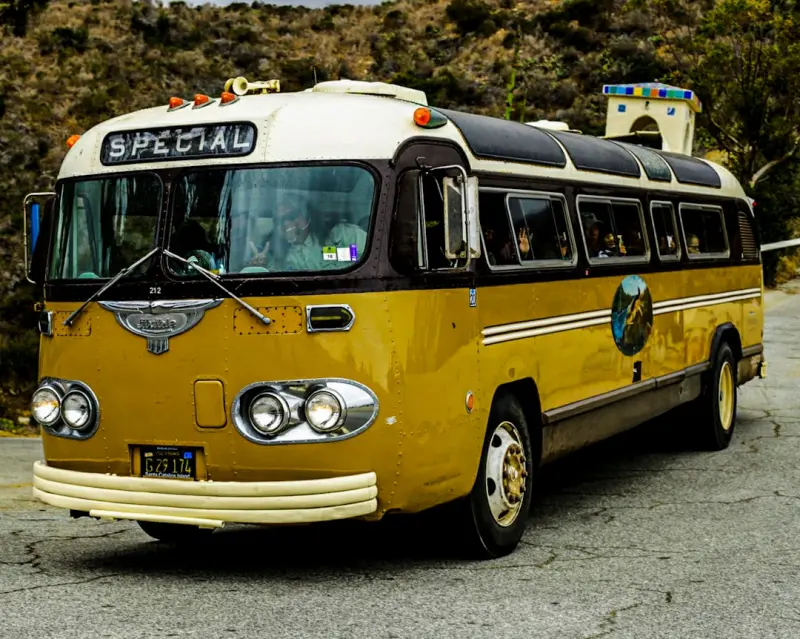
Imagine stepping onto a bright, retro‑styled bus that feels less like a vehicle and more like a moving salon, where the scent of fresh coffee mingles with the low hum of conversation, and every mile promises a story you can’t find in a guidebook. That’s the essence of a small‑group themed tour: intimacy, focus, and the freedom to wander off the beaten path without losing the safety net of a professional guide. I’ve spent the last few years hopping between coastal towns and mountain villages, and the most unforgettable moments have always been those curated around a single, passionate theme that turns strangers into fellow explorers.
Finding the Right Theme
The first step in crafting a compelling bus adventure is to identify a niche that resonates both with you and your prospective travelers; think beyond generic “food” or “history” labels and dig into subcultures like “artisan cheese trails,” “street‑art murals of the Pacific Northwest,” or “mid‑century modern architecture pilgrimages.” When you zero in on a specific interest, you can design stops that feel purposeful, allowing each destination to serve as a chapter in a larger narrative rather than a random checklist item. This laser focus also makes marketing more efficient, as you can tap into existing online communities that already discuss the subject, turning curiosity into bookings with less friction.
Once the theme is set, the itinerary should be built like a playlist, with each stop acting as a track that flows naturally into the next, maintaining momentum while providing moments of reflection. For a “craft beer pilgrimage,” for example, you might schedule brewery tours in the morning, a guided walk through historic hop fields at noon, and a sunset tasting on a river dock in the evening, ensuring the sensory experience builds rather than spikes. The key is to balance activity with downtime, allowing participants to soak in the atmosphere, chat with locals, and perhaps even try their hand at a new skill, like bottling their own brew.
Don’t forget the power of storytelling in the pre‑trip phase: a well‑written blog post, a short video teaser, or even a curated playlist can set the tone and attract the right audience. By highlighting the unique elements—say, a visit to a family‑run micro‑brewery that practices zero‑waste methods—you not only differentiate your tour but also align with travelers who value authenticity and sustainability. For inspiration on integrating eco‑friendly practices, see how zero‑waste dining practices on board can enhance the guest experience.
Building Authentic Connections
Authenticity thrives when you partner with local experts who live and breathe the theme, whether they’re a graffiti artist offering a behind‑the‑scenes workshop or a historian who can recount forgotten anecdotes about a lighthouse. These collaborations transform a simple stop into an immersive encounter, where participants gain insider knowledge that can’t be replicated by mass‑tour operators. I’ve found that inviting a local guide to co‑host a session not only enriches the narrative but also fosters a sense of community ownership, turning the tour into a two‑way dialogue rather than a one‑way lecture.
Engaging the community goes beyond just hiring guides; it involves weaving local businesses into the journey, from farm‑to‑table lunches at a family‑run café to pop‑up markets where artisans showcase handcrafted souvenirs. When travelers purchase directly from these vendors, the economic impact ripples through the town, creating goodwill that often translates into spontaneous invitations—perhaps a private tasting or a backstage pass to a cultural event. These unexpected moments become the stories that participants recount long after the trip ends, turning a single tour into a lasting relationship between visitor and destination.
To amplify these connections, leverage modern micro‑community marketing strategies that target enthusiasts already gathered around niche forums, Instagram hashtags, or local meetup groups. By speaking their language and showcasing genuine partnerships, you build trust faster than generic ads, and you attract travelers who are more likely to become repeat customers and brand ambassadors.
Making the Experience Sustainable & Memorable
Sustainability isn’t a buzzword; it’s a practical framework that can elevate the entire journey, from the choice of vehicle to the waste management practices on board. Opt for fuel‑efficient buses equipped with solar chargers for devices, and encourage passengers to bring reusable bottles, providing refill stations at each stop. Small gestures—like composting food scraps from a picnic lunch or partnering with a local organization that plants a tree for every group booked—turn environmental stewardship into a shared mission rather than a marketing gimmick.
Memorable experiences also hinge on sensory details that linger in the mind: the feel of a cool sea breeze as the bus glides along a coastal road, the aroma of fresh pine in a mountain pass, or the rhythmic clink of glasses during an intimate tasting session. Curate these moments intentionally, perhaps by scheduling a sunrise yoga session on a cliffside or a night‑time stargazing camp where the guide shares folklore tied to the constellations. When travelers can engage multiple senses, the memories become vivid, and the story they tell others is richer and more compelling.
Finally, think of the post‑tour phase as an extension of the journey. Send participants a personalized photo book, a recipe from a local chef, or a small token crafted by a community artist they met along the way. These follow‑up touches reinforce the emotional bond and encourage word‑of‑mouth referrals, which are invaluable in the niche travel market. By combining thoughtful theme selection, authentic local partnerships, and a genuine commitment to sustainability, small‑group themed bus tours can become the secret sauce that transforms ordinary vacations into lifelong adventures.

Related Posts
Storytelling on Wheels: How Modern Bus Tours and Cruises Turn Travel into a Narrative Adventure
Travel is evolving from a checklist of sights to a living narrative. This post explores how bus tour... Read More

Beyond the Horizon: How Curated Journeys Are Transforming Cruise & Bus Travel
Travel is evolving from static packages to immersive, personalized narratives. This post reveals how... Read More

Turning the Voyage into a Personal Narrative: Story‑Weaving on Cruises and Bus Tours
Discover a fresh approach to cruises and bus tours that transforms each journey into a personal stor... Read More
Top Posts

Tariff Tangles: Hidden Risks for SaaS Providers
Tariffs aren’t just a trade issue—they directly affect SaaS businesses through hardware costs, data‑center expansion, and digital duties. This post reveal...Read More

Crafting a Memory‑First Prom and Graduation Experience
A fresh, memory‑first approach to prom and graduation planning that blends sustainable fashion, nutrient‑rich menus, micro‑community involvement, and tech...Read More
Eco‑Friendly Prom & Graduation: A Green Guide for the Modern Senior
A fresh take on senior celebrations: eco‑friendly dresses, rental options, DIY upcycling, and tech‑enhanced memories that honor both milestones and the plan...Read More

How Biofeedback Wearables Are Redefining Everyday Wellness
Explore how wearable biofeedback devices turn hidden physiological signals into actionable habits, helping you manage stress, improve sleep, and build lasting h...Read More
0 Comments
Post Comment
You will need to Login or Register to comment on this post!