
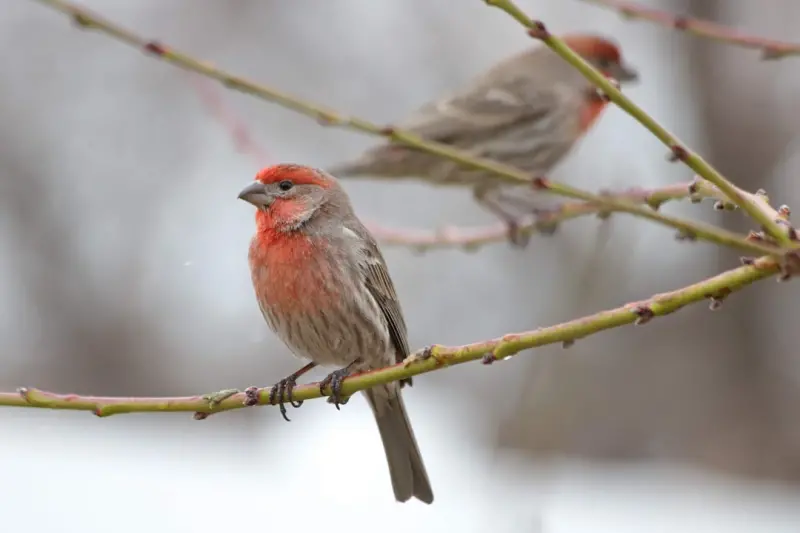
Why Birdsong Is the New Urban soundtrack
Living in a Canadian city often feels like a balancing act between skyscrapers and the endless horizon of the Rockies we see on postcards. I’ve spent years navigating bustling streets, hopping on the heritage rails, and chasing that elusive “big‑city‑but‑still‑connected‑to‑nature” feeling. The answer, I discovered, isn’t a weekend cabin in the woods—it’s right outside my front door, perched on a feeder, and chirping from a maple leaf.
The Quiet Revolution in Backyards
Backyard birdwatching has quietly become one of the most accessible ways Canadians are reclaiming a piece of the wilderness. From the snowy owls that appear during a rare January thaw to the ruby‑throated hummingbirds that flit over a garden of native wildflowers, the avian cast is diverse and spectacular. What’s fueling this surge?
- Accessibility. No passport, no gear‑rental, just a sturdy chair, a pair of binoculars (or even a smartphone), and a willingness to pause.
- Community. Neighborhoods are turning bird feeders into informal social hubs, sparking conversations that would otherwise never happen.
- Well‑being. Studies show listening to birds reduces stress hormones and improves focus—a natural antidote to our screen‑filled lives.
Designing a Bird‑Friendly Backyard
Creating a space that welcomes feathered friends is part science, part art. Here’s a step‑by‑step guide that blends the practical with a dash of Canadian flair.
- Choose Native Plants. Indigenous shrubs and trees provide the right seeds, berries, and insects. Think serviceberry, red‑osier dogwood, and eastern white pine. Not only do they feed birds, they also support local pollinators.
- Install Varied Feeding Stations. Offer a mix of seed, suet, and nectar. Different species have different preferences; a simple black‑oil sunflower seed feeder will attract finches, while a suet cage invites woodpeckers.
- Provide Water. A shallow birdbath with a few rocks prevents drowning and invites dabbling ducks on larger ponds.
- Think Seasonal. As the weather shifts, adjust your offerings. In the fall, high‑energy foods like peanuts help birds prepare for migration. In winter, consider heated feeders to keep the nectar from freezing.
- Create Shelter. Nesting boxes, dense shrubs, and dead trees (when safe) give birds a place to raise their young.
Connecting the Dots: Food, Health, and the Outdoors
Birdwatching isn’t just about the birds—it’s an invitation to rethink how we source food and care for our own bodies. When you’re out there, you’ll notice the same berries that attract warblers are also a nutritional powerhouse for us. That’s why I love the Seasonal Superfood Swaps article—swapping a bag of imported kale for locally foraged fiddleheads not only reduces your carbon footprint but also connects you to the rhythm of the land.
Imagine pairing a morning birdwatching session with a cup of locally brewed spruce‑infused tea. You’re feeding both your curiosity and your gut, creating a holistic experience that ties the external environment to internal health.
From Solo Hobby to Neighborhood Movement
What began as a solitary pastime quickly grew into a neighborhood phenomenon. In the east end of Toronto, a block of townhouses turned a shared garden into a “Birdwatching Corner” where residents host monthly “feeder‑talks.” In Vancouver’s Kitsilano, a group of retirees started a Co‑Living Hub that incorporates communal birdwatching decks into their rooftop garden. These gatherings do more than tally species—they build social capital.
When strangers discuss the plumage of a newly‑arrived boreal chickadee, they’re also exchanging stories about childcare, remote work, and local politics. The result is a web of trust that strengthens community resilience, especially in times of uncertainty.
Birdwatching and Climate Awareness
Canada’s climate is changing, and birds are among the first to feel the shift. Species migration patterns are altering; some birds arrive earlier, while others retreat farther north. By keeping a simple log of sightings—date, species, and weather conditions—you become an informal citizen scientist.
Local conservation groups often rely on this data to track ecosystem health. Your backyard observations could inform decisions about protecting critical habitats along the St. Lawrence or the coastal wetlands of the Maritimes. In this way, a hobby becomes a catalyst for broader environmental stewardship.
Tech‑Lite Tools for the Modern Birder
While the goal is to step away from screens, a few low‑tech tools can enrich the experience without turning it into a gadget parade:
- Field Guides. A pocket‑size guide like Birds of Canada is perfect for quick reference.
- Audible Apps. Apps that play bird calls help you identify species by ear—a skill that deepens the connection.
- Journaling. A simple notebook to jot down observations, sketches, and personal reflections.
These tools keep the focus on observation rather than data entry, preserving the meditative quality of the activity.
Integrating Birdwatching Into Everyday Life
Here are practical ways to weave birdwatching into your routine:
- Morning Ritual. Start the day with a 10‑minute window of quiet observation while the sun paints the sky.
- Family Projects. Involve kids in building simple feeders from recycled materials—great for STEM learning.
- Work Breaks. If you have a balcony, a quick glance at a hummingbird can reset mental fatigue.
- Seasonal Celebrations. Host a “First Migration” party when the warblers arrive, complete with local maple syrup treats.
Economic Benefits You Might Not Expect
Investing in a bird‑friendly garden can also have financial upside. Property values in neighborhoods with visible green spaces and active wildlife tend to rise. Moreover, local businesses that sell native plants, feeders, and birdhouses see increased patronage, supporting the local economy.
There’s also an indirect saving: research shows that exposure to nature reduces healthcare costs by lowering stress‑related illnesses. In a country where health care is publicly funded, every individual’s well‑being contributes to the collective fiscal health.
Challenges and How to Overcome Them
Even the most enthusiastic birder will encounter obstacles:
- Predators. Cats and hawks can threaten feeder visitors. Position feeders near cover but not too close to hideouts.
- Seasonal Gaps. During harsh winters, many migratory birds leave. Keep feeders stocked with high‑energy foods and consider adding a heated platform.
- Noise Pollution. Urban traffic can drown out subtle bird calls. Choose quieter corners of your property, and use a directional microphone if you’re recording.
Addressing these issues with thoughtful design ensures that the sanctuary remains sustainable year after year.
Looking Ahead: The Future of Urban Birdwatching in Canada
As cities grow taller, the yearning for nature deepens. I envision a future where municipal planning incorporates “bird corridors”—green strips that link parks, rooftops, and private gardens, allowing birds to navigate safely through urban mazes. Some municipalities already pilot such programs, integrating native planting along transit lines and encouraging residents to install certified “bird‑safe” windows.
When these corridors expand, the line between “urban” and “wild” blurs, and the city soundscape becomes richer with the trills of chickadees and the soft flutter of warblers. Every homeowner who adds a feeder becomes a node in this larger network, amplifying the collective impact.
Final Thoughts: A Call to Action
Whether you live in a high‑rise condo or a suburban bungalow, the invitation is simple: open a window, hang a feeder, and listen. The birds will arrive, and with them, a sense of belonging that transcends the concrete walls of our daily grind.
Let’s turn our balconies, backyards, and even office rooftops into chapters of a living field guide—a story that celebrates Canadian wildlife, community, and the quiet joys that unite us all.

Related Posts

Cabin Revival: Sustainable Comfort for Modern Canadian Living
Discover the rise of cabin living in Canada, where traditional charm meets smart, eco‑friendly upg... Read More

Rooftop Gardens: Bringing Green to the Skyline
Explore the rise of rooftop gardens across Canadian cities, offering fresh food, neighborly bonds, a... Read More

Celebrating the Simple Wonders of Canadian Living
A warm, insightful look at Canada's seasonal delights, community traditions, and hidden gems, celebr... Read More
Top Posts

Unlock Hidden SaaS Savings: A Tactical Playbook for Modern Buyers
A practical, data‑driven guide that shows how to audit SaaS spend, negotiate smarter contracts, and leverage consortia to achieve lasting savings....Read More

Navigating the New Frontier: AI‑Powered Legal Workflows in Canadian SaaS
Legal teams in Canadian SaaS firms can turn compliance into a growth engine by adopting AI‑assisted contract review, privacy‑by‑design, internal innovatio...Read More

The Rising Tides of Canadian Entertainment: Fresh Voices, New Platforms, and Bold Innovations
Canadian entertainment is thriving with authentic narratives, Indigenous storytelling, and tech‑driven experiences, offering fresh perspectives that captivate...Read More

Charting New Waters: How Sustainable Practices Are Redefining Modern Cruises and Bus Tours
Sustainable travel is no longer a niche—cruise ships are adopting zero‑waste kitchens and carbon‑neutral itineraries, while bus tours are shifting to elec...Read More
0 Comments
Post Comment
You will need to Login or Register to comment on this post!