
Why Fermentation Is the Quiet Revolution on My Kitchen Counter
When I first tasted a glass of lightly effervescent kombucha at a friend’s brunch, I felt the same thrill that a musician gets when a new chord progression clicks into place. It wasn’t just the tart, fizzy sip—it was the story behind it. Fermentation is more than a culinary technique; it’s a conversation between microbes, ingredients, and the people who nurture them. Over the past few years, that conversation has grown louder, spilling over from niche food blogs into mainstream grocery aisles, cocktail bars, and even my own pantry.
The Science That Makes It Sizzle (Literally)
At its core, fermentation is a metabolic dance. Yeasts, bacteria, and sometimes even wild molds break down sugars, releasing carbon dioxide, alcohol, and an array of flavor‑active compounds. Those tiny organisms are the unsung heroes that turn sweet tea into kombucha, cabbage into kimchi, and ordinary water into a sparkling craft soda.
What’s fascinating is how the same principles that govern a sourdough starter also shape the taste of a barrel‑aged stout. Every batch is a living experiment, and that unpredictability is part of the charm. You can measure pH, track temperature, and even map the microbial community with a smartphone‑connected sensor kit—tools that were once the exclusive domain of professional labs.
From Kitchen Shelf to Social Media Stardom
Instagram stories filled with bubbling jars and TikTok tutorials on “how to brew your own soda” have turned fermentation into a visual language. The appeal is simple: it’s do‑it‑yourself, but with a scientific twist. People love the feeling of mastering a process that feels both ancient and cutting‑edge.
But the trend isn’t just about aesthetics. It’s a response to a broader desire for transparency in what we drink. When you watch a SCOBY (symbiotic culture of bacteria and yeast) grow, you’re witnessing the very engine that creates the beverage’s flavor profile. That visibility builds trust—something that mass‑produced sodas often struggle to convey.
Home‑Made Kombucha: The Beginner’s Journey
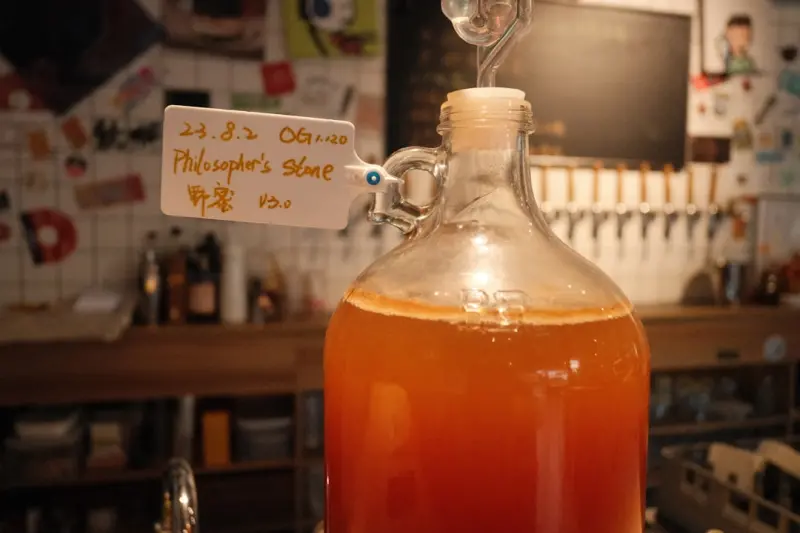
If you’re new to fermentation, kombucha is the perfect entry point. Start with a sweet tea base—black, green, or even herbal—then add a SCOBY and a splash of starter liquid from a previous batch or a store‑bought bottle. Seal the jar, let it sit at room temperature for 7‑14 days, and watch the magic happen.
- Flavor control: Adjust the brew time for a sweeter or more tart profile.
- Second‑fermentation: Add fruit, herbs, or spices to the bottled kombucha for an extra flavor burst and extra fizz.
- Safety first: Keep an eye on mold and always trust your senses—if it smells off, discard.
What’s rewarding is that each bottle you pour is a personal expression, a micro‑artwork that reflects the tea you chose, the fruit you added, and the environment in which it fermented.
Craft Sodas: The Carbonated Counter‑Culture
While kombucha thrives on its probiotic reputation, craft sodas win hearts with their playful flavors and zero‑sugar promises. Think rosemary‑lime fizz, hibiscus‑ginger sparkle, or even a smoked vanilla cola. The secret? A blend of natural extracts, a touch of fermentation for gentle carbonation, and often a small amount of yeast to finish the fizz.
Many small‑batch producers start with a base syrup made from fresh fruit, herbs, or even vegetables—yes, vegetables! That’s where the link to uncommon vegetables becomes relevant. Carrot‑ginger, beet‑root, and even kale can be transformed into vibrant syrups that add color, nutrients, and a distinctive earthiness to sodas.
These drinks aren’t just “sodas”; they’re a statement that you don’t have to sacrifice flavor for health. The rise of low‑calorie, naturally sweetened options shows that consumers are hungry for beverages that respect both palate and body.
The Health Angle: Probiotics, Antioxidants, and Beyond
Fermented drinks have earned a reputation as gut‑friendly allies. Kombucha, in particular, supplies live cultures that can aid digestion, while the tea base offers antioxidants. Craft sodas, though typically non‑probiotic, often incorporate ingredients rich in vitamins and phytonutrients.
But the narrative isn’t just about “good bacteria.” It’s about the holistic synergy of flavor, function, and mindfulness. When you sit down with a glass of fermented tea, you’re engaging in a ritual that slows you down, invites curiosity, and connects you to a centuries‑old tradition.
Zero‑Waste Benefits: From Scraps to Sparkle
Fermentation dovetails beautifully with a zero‑waste mindset. The leftover tea leaves from kombucha can be composted or repurposed as a flavor boost for soups. Fruit peels used in second‑fermentation become fragrant aromatics for future batches. Even the SCOBY, once it outlives its primary purpose, can be sliced and added to smoothies, baked into vegan “jerky,” or used as a plant fertilizer.
This circular approach mirrors the ethos behind functional bites that prioritize nutrient density without waste. Both trends underscore a shift from disposable consumption to a more intentional, resource‑savvy lifestyle.
Community and Collaboration: Fermentation Meet‑ups
Across the country, local clubs and pop‑up events are sprouting (pun intended) to share recipes, troubleshoot batches, and celebrate the joy of fermented drinks. These gatherings are more than social; they’re incubators for innovation. A brewer might discover that a hint of smoked paprika pairs unexpectedly well with a ginger kombucha, or a soda maker might experiment with a fermented lavender syrup.
The collaborative spirit also fuels small businesses. Many boutique cafés now feature “fermentations on tap,” allowing customers to sample rotating kombucha flavors or limited‑edition craft sodas. It’s a win‑win: consumers get fresh, novel experiences, and producers gain real‑time feedback to refine their creations.
Scaling the Ferment: From Home to Shelf
While the DIY route is empowering, there’s a growing market for commercially produced fermented beverages that retain artisanal integrity. Brands are investing in controlled fermentation tanks, precise temperature regulation, and rigorous testing to ensure consistency without sacrificing the wild, complex notes that make these drinks special.
Regulatory frameworks are also evolving. Governments are updating labeling standards to reflect the presence of live cultures, and many jurisdictions are relaxing restrictions around small‑scale alcohol fermentation, opening doors for low‑ABV fermented sodas that blur the line between soda and beer.
Tips for Aspiring Fermenters
- Start small: A one‑gallon jar is manageable and lets you experiment without waste.
- Document everything: Date stamps, temperature logs, and flavor notes help you replicate successes.
- Use quality ingredients: Organic tea, fresh fruit, and filtered water lay the best foundation.
- Embrace the microbes: A bit of unpredictability is part of the charm—don’t strive for sterile perfection.
- Share and learn: Join local groups, attend workshops, or follow online communities for troubleshooting tips.
The Future of Fermented Drinks
Looking ahead, I see fermentation branching into even more creative territories: coffee‑based kombucha, tea‑infused hard seltzers, and even botanical‑infused water that undergoes a short, low‑alcohol fermentation to develop subtle flavor layers. Technology will continue to democratize the process—think AI‑driven fermentation monitors that suggest optimal brew times based on ambient conditions.
What remains constant, however, is the core appeal of fermentation: it empowers individuals to turn simple ingredients into something alive, flavorful, and purposeful. In a world where food can feel overly engineered, fermented drinks remind us that the most exciting innovations often come from the smallest, most humble organisms.
Final Sip
Whether you’re a seasoned home brewer, a curious newcomer, or a professional looking to diversify your menu, the fermenting frontier offers endless possibilities. It’s a space where science meets tradition, where health meets indulgence, and where community meets creativity. So next time you reach for a bottled soda, consider the story behind its bubbles. And if you have a spare jar and a sense of adventure, why not start your own?

Related Posts

Get Ready to Feast: The Calgary Stampede Unveils a Wild Menu of Culinary Creations
The Calgary Stampede is known for its thrilling rodeo events, captivating concerts, and vibrant atmo... Read More

The Flavors of Rural America: A Culinary Journey Through the Heartland
Explore the flavors of rural America, from farm-to-table produce to artisanal cheeses and craft beer... Read More
Heritage Grains Are Back: Baking a Sustainable Future
Explore the resurgence of heritage grains, their unique flavors, nutritional benefits, and environme... Read More
Top Posts

Community‑Led Conservation: Ontario Anglers Protect Their Waters
Ontario anglers are turning their passion into action, using citizen science, local restoration projects, and collaborative councils to protect water quality an...Read More

Conversational Commerce: Turning Chat Into Revenue
Discover how integrating real-time messaging into your marketing strategy creates a humanized buying experience, accelerates conversions, and unlocks new revenu...Read More

Mapping Ontario’s Hidden Fishing Microhabitats: A New Way to Find the Trophy
Learn a fresh, data‑driven approach to Ontario fishing by mapping hidden microhabitats, sharing insights with fellow anglers, and protecting the waters for fu...Read More

Mastering Visual Storytelling for Data‑First B2B Marketing
Learn why visual storytelling is essential for data‑driven B2B marketers, how to craft compelling narratives, and which tools and metrics can turn raw numbers...Read More
0 Comments
Post Comment
You will need to Login or Register to comment on this post!