

Why Eating by Color Can Be Your Secret Weapon for Peak Performance
When I first started juggling board meetings, product launches, and a fledgling side hustle, I thought the only way to stay sharp was to double‑down on coffee and “quick‑fix” energy bars. That strategy got me through a few deadlines, but the inevitable crash left me feeling foggy, irritable, and, frankly, unproductive. One evening, while scrolling through a late‑night culinary podcast, a simple question popped up: What if the secret to sustained energy isn’t about what you eat, but how the colors on your plate line up with your body’s natural rhythms?
That question sparked a personal experiment that turned my kitchen into a living lab. I began to treat each meal like a palette, intentionally selecting fruits, vegetables, and whole grains that span the spectrum of nature’s hues. The results? More consistent focus, fewer mid‑day slumps, and a surprisingly upbeat mood that lingered long after the last bite.
The Science Behind Chromatic Nutrition
It might sound whimsical, but there’s a solid biochemical basis for color‑driven eating. Different pigments in plants—anthocyanins (deep blues and purples), carotenoids (vibrant oranges and yellows), chlorophyll (rich greens), and flavonoids (bright reds)—are not just eye‑catching; they’re potent antioxidants, anti‑inflammatories, and signaling molecules that interact with our cellular pathways.
- Anthocyanins found in blueberries, blackberries, and eggplant skins help protect brain cells from oxidative stress, supporting memory and learning.
- Carotenoids such as beta‑carotene in carrots and lutein in kale aid eye health and boost immune function.
- Chlorophyll offers detoxifying properties, supporting liver function and promoting a balanced gut microbiome.
- Flavonoids in red peppers and pomegranates enhance nitric oxide production, improving blood flow and cardiovascular health.
When you combine these pigments throughout the day, you’re essentially delivering a rotating cocktail of phytonutrients that keeps your body’s defense systems humming without the need for synthetic supplements.
Building a Rainbow Plate: Practical Steps
Creating a colorful plate isn’t about culinary artistry; it’s about strategic food choices that fit into a busy professional life. Here’s my go‑to framework, broken down by meal:
Morning: Start with a Burst of Red and Orange
Red and orange fruits are rich in vitamin C and beta‑carotene, which kick‑start the immune system and support adrenal health—perfect for the cortisol spike that comes with early meetings. A quick bowl of diced cantaloupe, a handful of strawberries, and a sprinkle of grated carrot on top of Greek yogurt sets a vibrant tone.
Mid‑Morning Power Snack
When you need a pick‑me‑up, reach for a smart snack that leans on bright greens. A mini‑green smoothie with spinach, a splash of avocado oil, and a squeeze of lime delivers chlorophyll and healthy fats that sustain mental clarity without the sugar crash.
Lunch: The Deep‑Blue/ Purple Zone
Midday is the perfect window to feed the brain with anthocyanin‑rich foods. I love a quinoa‑based bowl featuring roasted purple sweet potatoes, a handful of blueberries, and a drizzle of walnut‑infused vinaigrette. The combination of complex carbs, protein, and deep‑blue antioxidants keeps my focus razor‑sharp for the afternoon’s strategy sessions.
Afternoon Pick‑Me‑Up
Instead of reaching for a vending‑machine cookie, I opt for a small serving of dark chocolate (70% cacao) paired with a few goji berries. The flavonoids in chocolate and the antioxidants in goji provide a gentle lift in dopamine, helping to combat the post‑lunch dip.
Dinner: A Symphony of Greens and Gold
Evening meals should be both grounding and restorative. A stir‑fry of broccoli, brussels sprouts, and golden beets tossed with turmeric‑spiced tempeh offers chlorophyll, glucosinolates, and curcumin—compounds that support liver detox and reduce inflammation, setting the stage for a restful night.
Timing Is Everything: Aligning Color with Circadian Rhythms
While the chromatic approach fuels nutrient diversity, pairing it with your body’s internal clock maximizes absorption. This isn’t the same as the detailed chrononutrition guide I referenced in the chrononutrition playbook, but a simplified rule of thumb works wonders:
- Morning: Focus on lighter, high‑vitamin C colors (red, orange) to boost alertness.
- Mid‑day: Introduce deeper hues (blue, purple) to sustain cognitive stamina.
- Evening: Lean into greens and earthy tones (green, brown) that promote relaxation and digestion.
This rhythm mirrors the natural ebb and flow of cortisol, insulin, and melatonin, allowing the nutrients to synergize with hormonal cues rather than fight against them.
Seasonality Meets Color: A Sustainable Edge
One of the hidden advantages of a rainbow diet is its natural alignment with seasonal produce. Spring brings an abundance of tender greens and pink radishes; summer offers a bounty of bright berries and corn; autumn delivers deep‑hued squashes and apples; winter introduces hearty root vegetables and citrus. By anchoring your meals to the season, you reduce food miles, lower your carbon footprint, and often enjoy lower prices.
Here’s a quick seasonal cheat sheet to keep your pantry colorful year‑round:
| Season | Red/Orange | Purple/Blue | Green |
|---|---|---|---|
| Spring | Strawberries, apricots | Raspberry, purple cabbage | Asparagus, peas |
| Summer | Peaches, mango | Blueberries, black grapes | Spinach, basil |
| Fall | Pumpkin, butternut squash | Plums, figs | Kale, Brussels sprouts |
| Winter | Blood oranges, carrots | Acai, pomegranate seeds | Collard greens, swiss chard |
Beyond the Plate: Lifestyle Tweaks to Amplify Color Benefits
Even the most vivid meals can fall short if the surrounding habits sabotage absorption. Here are three non‑food adjustments that enhance the impact of chromatic nutrition:
- Mindful Hydration: Water is the carrier for all nutrients. Aim for a glass of water infused with a slice of lemon or cucumber before each meal to prime digestion.
- Micro‑Movement Breaks: A five‑minute stretch or brisk walk after eating stimulates blood flow, helping pigments and antioxidants reach tissues more efficiently.
- Screen‑Free Unwind: Reducing blue‑light exposure an hour before bedtime supports melatonin production, ensuring the restorative benefits of evening greens aren’t negated by a disrupted sleep cycle.
Addressing Common Skepticism
“I’ve heard about ‘eating the rainbow’ before—what makes this approach different?” The answer lies in intentionality. Many diet trends mention variety, but few prescribe a systematic, color‑first framework that dovetails with circadian timing and seasonal availability. By treating each hue as a functional macro‑nutrient, you shift from a vague notion of “eating healthy” to a precise, repeatable system that can be measured, adjusted, and optimized.
For those who worry about the time commitment, consider batch‑cooking color‑focused components on weekends: roast a tray of mixed root veg (orange, purple, gold), steam a batch of greens, and portion out fruit mixes. Throughout the week, simply assemble these pre‑cooked elements into bowls, wraps, or salads—still vibrant, still nutrient‑dense, and still fast.
Takeaway: Your Color‑Driven Blueprint
To sum it up, here’s a quick checklist you can paste onto your fridge:
- ✔️ Aim for at least three distinct colors at each main meal.
- ✔️ Align bright reds/oranges with morning, deep blues/purples with midday, and soothing greens with evening.
- ✔️ Choose seasonal produce to maximize freshness and sustainability.
- ✔️ Pair meals with water, movement, and screen‑free downtime.
Adopting this framework doesn’t require a complete kitchen overhaul—just a conscious pivot toward the colors that nature has already optimized for health. Give it a week, track your energy levels, and you’ll likely notice a steadier focus, brighter mood, and a renewed appreciation for the visual feast that your meals can become.
Ready to start painting your plate? Dive into the colors, listen to your body’s rhythm, and watch the performance gains unfold—one bite at a time.

Related Posts
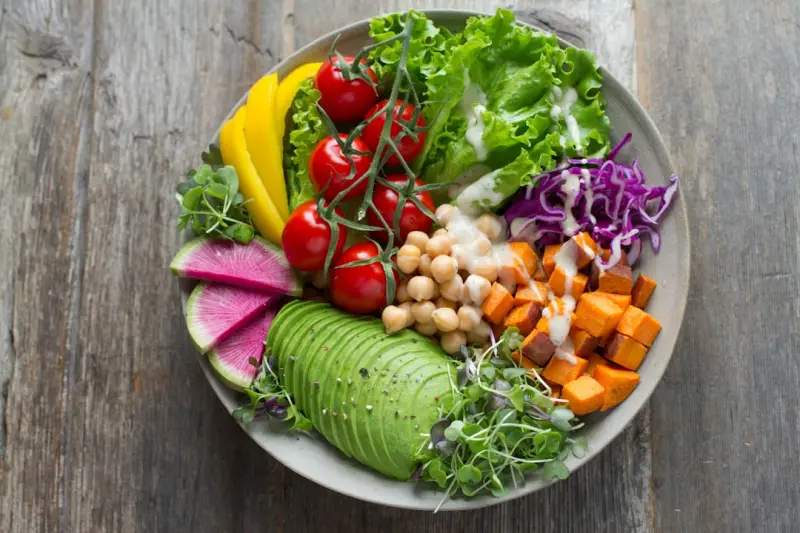
Synergistic Food Pairings: Boosting Nutrition One Plate at a Time
Learn the science behind pairing fats with vitamins, vitamin C with plant iron, and more. This gui... Read More
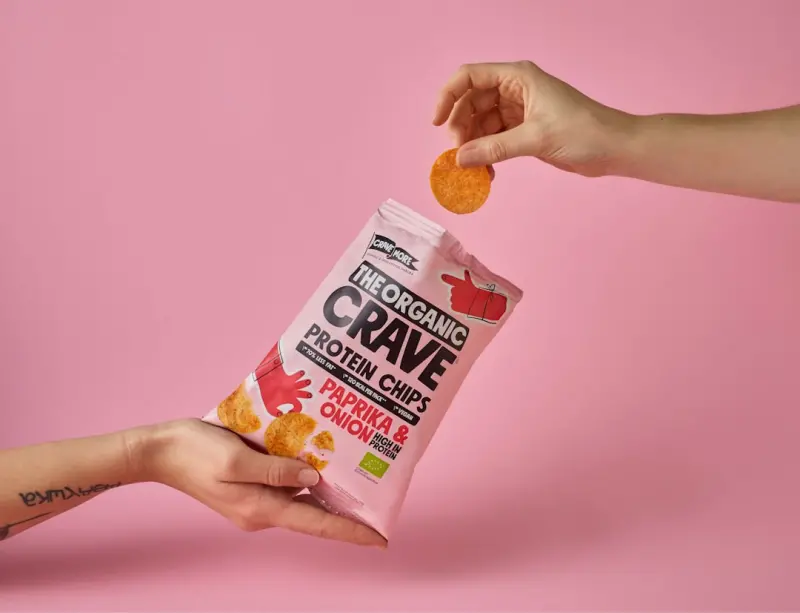
Why Plant‑Powered Snacks Are the Secret Weapon for Modern Professionals
Explore the strategic benefits of plant‑based snacks for modern professionals, featuring scienceâ€... Read More
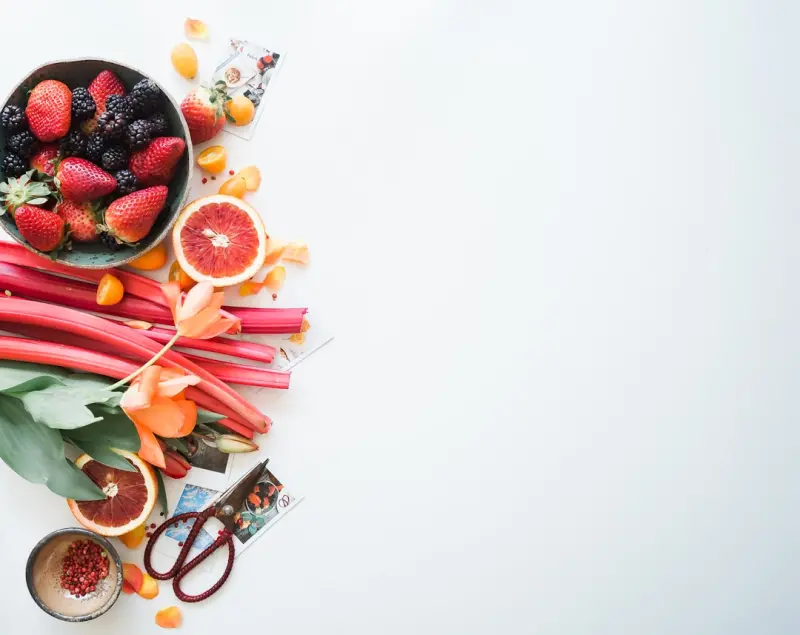
Microbiome Magic: How Prebiotic Power Foods Are Redefining Everyday Meals
Explore the rise of prebiotic power foods—from chicory and sunchokes to seaweed fibers—and learn... Read More
Top Posts

Parental Warning: The Invisible Pull of Gamified Data Collection
Explore the covert ways children’s apps harvest data, the psychology behind addictive loops, and how parents can safeguard their kids’ privacy today....Read More

Glow From Within: Harnessing Light Therapy to Supercharge Remote Work
A deep dive into how light therapy can realign circadian rhythms, lift mood, and sharpen focus for remote workers, paired with actionable nutrition, breathwork,...Read More

Crypto Law Uncovered: What Every Consumer Needs to Know
A clear guide to crypto law, highlighting global regulations, consumer safeguards, and actionable tips for safe participation in digital finance....Read More
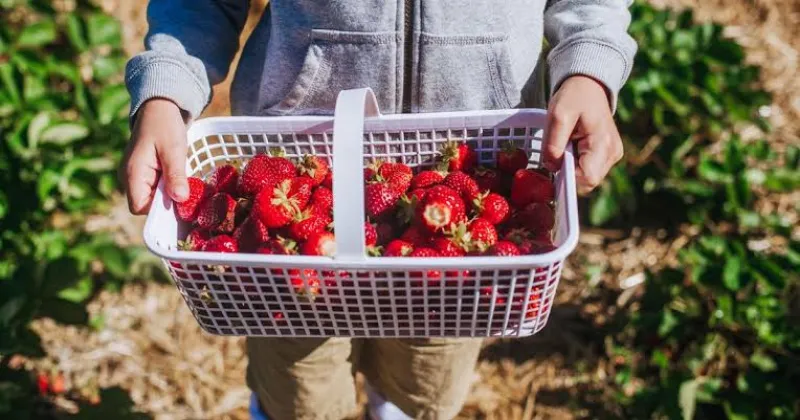
Ontario's Strawberry Fields Beckon: Pick-Your-Own Season is Almost Here!
As the warm Ontario sun kisses the landscape, an exciting announcement ripples through communities: strawberry season is just around the corner, and that means ...Read More
0 Comments
Post Comment
You will need to Login or Register to comment on this post!