
Seasonal Swaps: Turning Everyday Meals into Nutrient Powerhouses
When I walk into my kitchen on a crisp morning, I’m not just looking for a quick bite—I’m hunting for the next opportunity to give my body a subtle boost. My philosophy is simple: food should be both delicious and a strategic ally in the quest for health. That’s why I’ve spent the past few years turning the calendar into a menu, swapping out static pantry staples for seasonal stars that deliver more vitamins, minerals, and phytonutrients per bite. The result? Meals that feel richer, taste fresher, and keep my gut humming like a well‑tuned engine.
Why the Calendar Matters More Than You Think
Most of us treat grocery lists like a perpetual loop of the same items: frozen peas, canned tomatoes, and a bag of pre‑cut carrots. While convenient, this approach ignores the natural ebb and flow of nutrients in the earth’s growing cycles. Plants harvested at peak ripeness contain dramatically higher concentrations of antioxidants, fiber, and essential micronutrients. A spring asparagus spear, for instance, can hold up to 50 % more vitamin K than a version that’s been stored for weeks.
Seasonal eating also aligns with our internal circadian rhythm. Research shows that consuming foods that are in season can improve hormone regulation, support better sleep, and even modulate inflammation. In short, the calendar isn’t just a scheduling tool—it’s a blueprint for optimal nutrition.
Top Seasonal Swaps to Upgrade Your Plate
Spring: From Dormant to Dynamic
- Swap frozen peas for fresh sugar snap peas. These crisp beauties deliver a burst of vitamin C, fiber, and a sweet snap that frozen varieties simply can’t match.
- Replace canned carrots with roasted rainbow carrots. The natural sugars caramelize when roasted, enhancing beta‑carotene absorption when paired with a dash of healthy fat like olive oil.
- Trade bland white rice for wild barley. Wild barley adds a nutty flavor and a solid dose of soluble fiber, supporting gut health and steady blood sugar.
Summer: Sun‑Kissed Supercharging
- Swap store‑bought lettuce for a mixed bed of arugula, baby spinach, and watercress. Each leaf brings a unique profile of vitamins A, K, and a spectrum of phytochemicals that collectively act as a natural anti‑inflammatory cocktail.
- Replace canned corn with fresh grilled corn on the cob. Grilling unlocks additional antioxidants such as lutein, which is crucial for eye health.
- Exchange standard pasta for zucchini noodles (zoodles). Zoodles shave off up to 90 % of carbs while delivering vitamin C and potassium.
Autumn: Harvesting Depth and Warmth
- Swap bland sweet potatoes for roasted butternut squash. The deep orange flesh is loaded with vitamin A and beta‑cryptoxanthin, supporting skin and immune function.
- Replace processed granola with toasted pumpkin seed clusters. Pumpkin seeds bring magnesium, zinc, and a satisfying crunch without the added sugars.
- Exchange generic chicken broth for bone‑infused mushroom broth. The umami richness of mushrooms adds B‑vitamins and beta‑glucans, which are known to bolster immune response.
Winter: Cold‑Weather Resilience
- Swap canned tomatoes for slow‑cooked roasted tomatoes. Roasting intensifies lycopene, a potent antioxidant linked to heart health.
- Replace white potatoes with roasted parsnips. Parsnips supply a higher concentration of fiber and potassium, helping to regulate blood pressure during colder months.
- Exchange dairy‑heavy soups for cauliflower‑based creamy soups. Cauliflower delivers vitamin C, folate, and a silky texture when blended, cutting down saturated fat while keeping you satisfied.
Building a Nutrient‑Dense Plate: The Five‑Layer Method
Once you have your seasonal swaps in hand, I like to think of each plate as a five‑layer structure, each serving a distinct purpose:
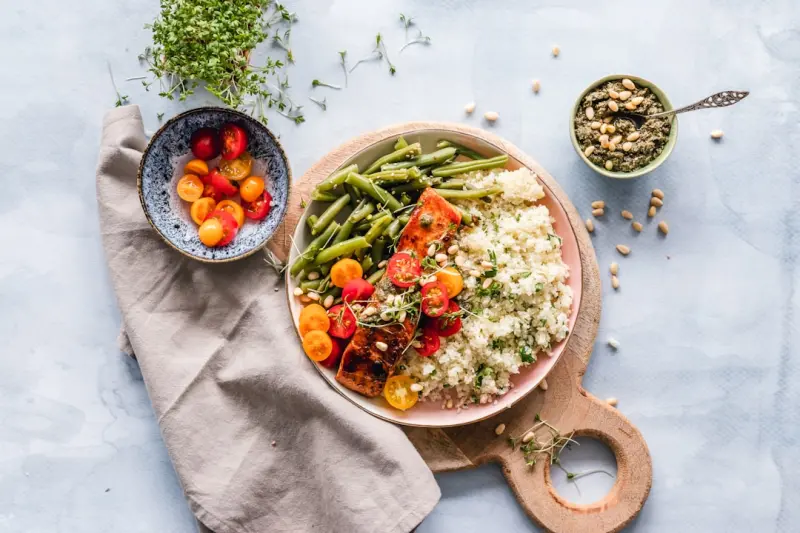
- Base: Whole Grains or Starches – Choose complex carbs like farro, quinoa, or wild barley to provide sustained energy.
- Fiber Shield: Fresh Vegetables – Aim for a rainbow of colors; each hue signals different phytonutrients.
- Protein Power: Plant or Animal – Mix legumes, nuts, fish, or lean poultry for muscle repair and hormone balance.
- Healthy Fat Finish: Avocado, Nuts, Seeds – Fat‑soluble vitamins (A, D, E, K) need a lipid partner to be absorbed.
- Flavor Boost: Herbs, Spices, Ferments – Not only do they elevate taste, they introduce beneficial compounds that can improve digestion and metabolic health.
This structure keeps meals balanced, prevents blood‑sugar spikes, and ensures a steady stream of micronutrients throughout the day.
Leveraging Local Food Networks for Seasonal Success
Finding truly seasonal produce often means stepping outside the mainstream grocery aisle. Canada’s growing agri‑tourism movement is a treasure trove for the health‑conscious foodie. By visiting farms during harvest festivals, you can pick up heirloom varieties that have been cultivated for flavor, not just shelf‑life. The From Fields to Festivals initiative showcases how these community‑focused events not only celebrate local culture but also give you direct access to nutrient‑dense produce at the peak of freshness.
When you purchase directly from these growers, you cut out the supply‑chain middlemen that often degrade nutrient quality through prolonged storage and transport. The result? A plate that truly reflects the season’s best offerings, and a local economy that thrives on sustainable practices.
Supporting Farm Cooperatives: A Win‑Win for Health and Planet
Beyond the occasional farm stand, Canada’s cooperative farms are reshaping how we think about agriculture. These collectives pool resources to practice regenerative farming, focusing on soil health, biodiversity, and reduced chemical inputs. By buying from cooperatives, you’re not only getting produce that’s richer in minerals and antioxidants, you’re also investing in ecosystems that sequester carbon and improve water quality.
The Harvesting the Future story highlights how these groups are redefining agriculture with practices that naturally boost the nutrient profile of crops. For instance, legumes rotated with brassicas can increase soil nitrogen, leading to beans with higher protein content and leafy greens packed with chlorophyll and iron.
Practical Tips to Make Seasonal Swaps Seamless
- Plan Around the Farmers’ Market Calendar. Most municipalities publish weekly market schedules—use them as a grocery roadmap.
- Batch‑Cook with Seasonal Staples. Roast a sheet pan of root vegetables in autumn, or steam a big pot of spring greens, then freeze portions for quick meals.
- Keep a “Swap Sheet” on your fridge. List your favorite pantry items alongside the seasonal alternatives you want to try; this visual cue encourages conscious choices.
- Invest in a Good Quality Knife and Cutting Board. Precise cuts preserve texture and flavor, making seasonal produce shine.
- Use Fermented Condiments Sparingly. A teaspoon of kimchi or sauerkraut can add depth without overwhelming the dish, while also delivering probiotics for gut health.
From Plate to Performance: The Real‑World Impact
When I first integrated these seasonal swaps into my daily routine, I noticed subtle yet measurable changes: improved digestion, steadier energy levels, and a clearer mental focus during long work sessions. The gut‑brain axis is profoundly influenced by the diversity of fibers and phytochemicals we consume; by diversifying our plates with seasonally abundant produce, we feed a broader spectrum of beneficial microbes.
In addition, seasonal eating can help curb the “food boredom” that often leads to over‑indulgence. When each meal feels fresh and exciting, cravings for processed snacks diminish, naturally aligning your diet with healthier outcomes.
Closing Thoughts: Let the Seasons Be Your Guide
The beauty of seasonal swaps lies in their simplicity. You don’t need a culinary degree or a high‑tech kitchen gadget; you just need curiosity and a willingness to let nature dictate the menu. By honoring the calendar, supporting local growers, and constructing plates that follow the five‑layer method, you’ll transform everyday meals into nutrient powerhouses that fuel both body and mind.
So the next time you reach for a bag of frozen peas, pause. Ask yourself what’s in season, where it was grown, and how it could elevate your health. The answer, more often than not, will be a vibrant, fresh alternative that turns ordinary cooking into a celebration of well‑being.

Related Posts

Colorful Bowl Culture: Reinventing Office Snacks for Energy and Focus
A fresh take on office nutrition, this article shows how colorful, whole‑food bowls can replace su... Read More
The Breakfast Biohack: Low‑Glycemic Foods for Unstoppable Focus
A practical guide to the low‑glycemic breakfast biohack, showing how the right blend of carbs, pro... Read More

Fermentation Frontiers: Unlocking Gut Health for High‑Performance Professionals
A deep dive into the science of fermentation, its impact on gut health, and actionable ways busy pro... Read More
Top Posts

Redefining Canadian Healthcare: A Human‑Centric, Data‑Driven Blueprint
A deep dive into Canada’s healthcare future, highlighting interoperable records, human‑first data, equitable telehealth, AI‑assisted triage, and strategie...Read More

Carbon Farming in Canada: Turning Soil Health into Revenue Streams
Canadian growers are now converting healthy soil into a profitable asset. This post dives into carbon farming, the science, policy incentives, technology tools,...Read More

Why a Nationwide Digital Trust Framework Is the Next Business Frontier
A deep dive into the emerging national digital trust framework, its implications for SaaS companies, and practical steps to turn trust into a competitive advant...Read More

AI‑Driven Predictive Care: Transforming Canadian Hospital Operations
Predictive analytics is turning Canadian hospitals from reactive institutions into proactive health hubs, using AI to anticipate patient needs, optimize resourc...Read More
0 Comments
Post Comment
You will need to Login or Register to comment on this post!