
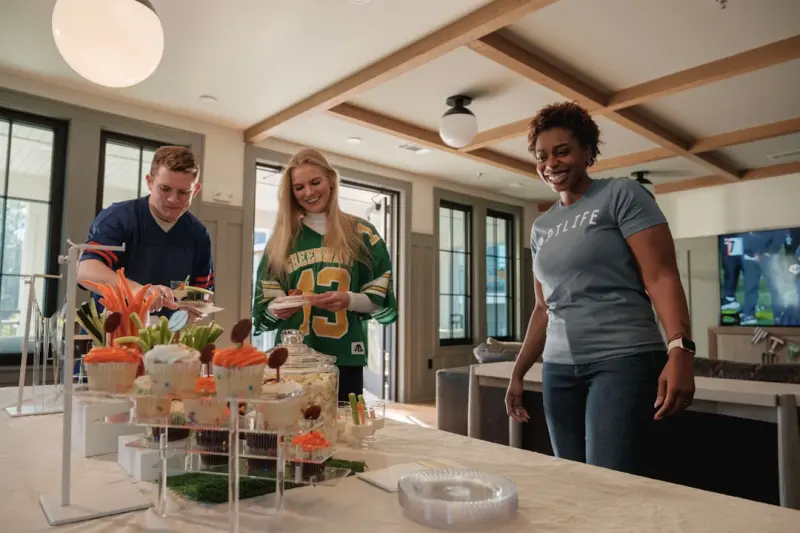
Fermentation as a Neighborhood Celebration
When I first watched my grandmother coax a bubbling SCOBY into a glass jar, I thought I was witnessing a quiet kitchen ritual. Decades later, that same gentle fizz is echoing through lofts, co‑ops, and community centers across the city. Fermentation has slipped out of the pantry and onto the streets, turning backyards into laboratories and strangers into collaborators. In this post I’m pulling back the curtain on the rise of upcycling kitchen waste into culinary gold and showing why the next wave of food culture isn’t about what you eat, but who you eat with.
Why Fermentation Works as a Social Glue
At its core, fermentation is a partnership between microbes and humans. The microbes—yeasts, bacteria, and molds—bring the chemistry, while we bring the intention, patience, and a pinch of curiosity. That partnership naturally invites conversation:
- Shared learning curves. The first batch of kimchi is often a mess, but the collective “what went wrong?” discussion creates a rapid feedback loop that feels more like a jam session than a cooking lesson.
- Visible progress. A jar of fermenting carrots turns pink, a kombucha SCOBY thickens, a sourdough starter doubles in size. These visual cues become milestones that community members celebrate together.
- Tangible rewards. The final product isn’t just food; it’s proof that a group can nurture something alive over weeks. That sense of accomplishment fuels further collaboration.
In many ways, the act mirrors a neighborhood potluck, except the dish arrives in stages, and the anticipation builds day by day. The result is a shared narrative that we can taste, smell, and, most importantly, talk about.
From Home Kitchens to Urban Hubs
Three years ago I attended a pop‑up “Ferment‑Fest” in an empty warehouse downtown. What started as a handful of local brewers and a few jars of sauerkraut blossomed into a bustling marketplace of ideas: a retired microbiologist teaching the science of lactobacilli, a teenage artist designing reusable fermentation jars, and a chef offering a tasting menu that paired miso‑marinated eggplant with house‑made kombucha.
That event sparked a trend I’m now seeing in neighborhoods far beyond the city core:
- Community Fermentation Labs. Co‑ops are dedicating climate‑controlled rooms where members can bring starters, share recipes, and swap cultures. Think of it as a makerspace, but the “tools” are crock pots and glass jars.
- Ferment‑Focused Workshops. Libraries and community centers are hosting monthly classes that range from “Basics of Brining” to “Advanced Wild Fermentation for the Bold”. The curriculum is often co‑curated by local food historians and home‑brew enthusiasts.
- Pop‑up Ferment Stands. Street festivals now feature stalls where you can sip a sip of ginger‑ale kombucha while watching a live demonstration of lacto‑fermented pickles being pulled from a vat.
These hubs are doing more than just teaching technique—they’re creating a cultural lingua franca. When you say “I’ve got a starter,” you’re instantly understood, regardless of whether you’re in a rural township or a high‑rise condo.
The Flavor of Inclusion
One of the most rewarding aspects of these gatherings is the way they level the culinary playing field. In a traditional restaurant, the chef holds the keys to flavor. In a fermentation hub, anyone can bring a heritage recipe, a family tradition, or a curiosity about a new microbe. This democratization has led to surprising flavor mash‑ups:
- Kimchi‑infused maple syrup. A local maple farmer partnered with a Korean food activist to coax the spicy tang of kimchi into his sap, creating a glaze that’s now a staple at neighborhood BBQs.
- Beet‑and‑berry kombucha. A group of high school students experimented with beetroot skins and wild berries, resulting in a ruby‑red drink that doubles as a natural colorant for desserts.
- Sour dough made with fermented oat milk. A vegan bakery in the suburbs swapped traditional starter cultures for oat‑based fermentations, producing a crumb that’s both airy and subtly tangy.
These collaborations demonstrate that fermentation isn’t just a technique; it’s a conduit for cultural exchange. By inviting diverse palates into the same jar, we’re building a food system that respects tradition while encouraging innovation.
Health Benefits that Extend Beyond the Plate
Beyond the communal buzz, fermented foods bring measurable health perks. The live cultures can improve gut microbiota, boost immunity, and even influence mood—thanks to the gut‑brain axis. While the science is still evolving, there’s enough evidence to make the case for regular consumption.
For those who crave data‑driven reassurance, how data and devices shape preventive health offers a deep dive into the ways wearable tech is tracking microbiome health in real time. The takeaway? When you pair a daily probiotic habit with a community‑driven fermentation routine, you’re not just feeding your body—you’re reinforcing a social ecosystem that supports wellness.
Starting Your Own Fermentation Circle
If you’re feeling inspired, here’s a starter kit for building a neighborhood ferment group:
- Pick a “starter” focus. Choose one fermentation type—kimchi, kombucha, sauerkraut, or sourdough—and make it the centerpiece of your first meeting.
- Secure a space. A community kitchen, church hall, or even a garage with a sturdy table works. The key is temperature stability and easy cleanup.
- Gather supplies. Glass jars, airlocks, non‑iodized salt, and a reliable source of fresh produce are essentials. You can ask local farms for “ugly” veggies that would otherwise be discarded—another win for sustainability.
- Set a regular schedule. Meet every two weeks to check on progress, share tips, and taste the latest batch. Consistency builds momentum.
- Document the journey. Create a shared online board (think Google Slides or a simple Trello board) where members can post photos, notes, and recipe tweaks. The digital archive becomes a living cookbook for the community.
Remember, the goal isn’t perfection; it’s participation. Even a small batch that turns out too sour is a conversation starter, a lesson, and a catalyst for the next experiment.
Challenges and How to Overcome Them
Like any grassroots movement, fermentation circles face hurdles. Here are the most common and some tried‑and‑true fixes:
- Safety concerns. Newbies sometimes worry about “bad” bacteria. The solution is education—host a quick safety briefing that covers pH levels, visual signs of spoilage, and proper sanitization.
- Ingredient sourcing. Seasonal availability can limit certain vegetables. Embrace the constraint: when carrots are scarce, experiment with turnips or parsnips.
- Space constraints. Not everyone has a large kitchen. Encourage the use of stackable jars and consider “fermentation swaps” where members rotate storage space for larger batches.
- Regulatory issues. If you plan to sell the fermented goods, you’ll need to navigate local food‑handling permits. Many municipalities offer low‑cost “cottage food” licenses that cover small‑scale sales.
Addressing these obstacles early creates a resilient community that can adapt as it grows.
The Future: Fermentation as Urban Infrastructure
Imagine a city where every block has a shared fermentation hub, stocked with locally sourced produce, and staffed by volunteer “culture curators.” Such a network could dramatically reduce food waste—by turning excess vegetables into brined delights—and cut carbon emissions by localizing food processing.
Municipal planners are already taking note. Pilot programs in a handful of European cities are mapping out “ferment corridors” alongside bike lanes, ensuring that residents can pick up a jar of pickled radishes on their commute home. When you combine these initiatives with upcycling kitchen scraps into culinary gold, the result is a circular food system that feeds both bodies and neighborhoods.
On a personal level, I’ve started keeping a small fermentation diary on my phone, tracking pH shifts, flavor notes, and community feedback. It’s a tiny data set, but it mirrors the larger trend: the fusion of tradition, technology, and togetherness.
Takeaway: Ferment, Connect, Celebrate
The next time you hear the faint hiss of a fermenting jar, think of it as a tiny, living invitation. It’s a call to bring a neighbor into the kitchen, to swap a starter culture for a story, and to taste the future of food—a future that’s less about solitary cooking and more about collective creation. So grab a jar, invite a friend, and let the bubbles begin. Your palate—and your community—will thank you.

Related Posts
Urban Foraging: The Unexpected Gourmet Revolution
Urban foraging is reshaping city cuisine, turning everyday green spaces into edible treasure troves.... Read More

The Art of Fermentation: Bringing Ancient Brew to the Modern Kitchen
Discover how simple ferments like water kefir, kvass, and homemade kimchi can transform your kitchen... Read More

Fermentation at Home: Rediscovering Canada’s Living Flavors
Discover the art of home fermentation, from kombucha to sauerkraut, and learn how simple tools, loca... Read More
Top Posts

Traveling Scams and How to Avoid Them: Stay Safe on Your Next Adventure
Traveling opens doors to new experiences and unforgettable memories. However, it also exposes you to potential scams designed to separate you from your hard-ear...Read More

Unlock Hidden SaaS Savings: A Tactical Playbook for Modern Buyers
A practical, data‑driven guide that shows how to audit SaaS spend, negotiate smarter contracts, and leverage consortia to achieve lasting savings....Read More

Turn Layovers into Mini‑Adventures: A Fresh Way to Travel
Discover how a simple layover can become a micro‑adventure, turning transit time into unforgettable cultural moments with smart planning, budget hacks, and su...Read More
The Art of Savoring: A Foodie's Guide to Exploring Canada's Culinary Scene
Join me on a gastronomic journey across Canada, highlighting some of the most mouth-watering experiences that will leave your taste buds tingling. From Calgary'...Read More
0 Comments
Post Comment
You will need to Login or Register to comment on this post!