
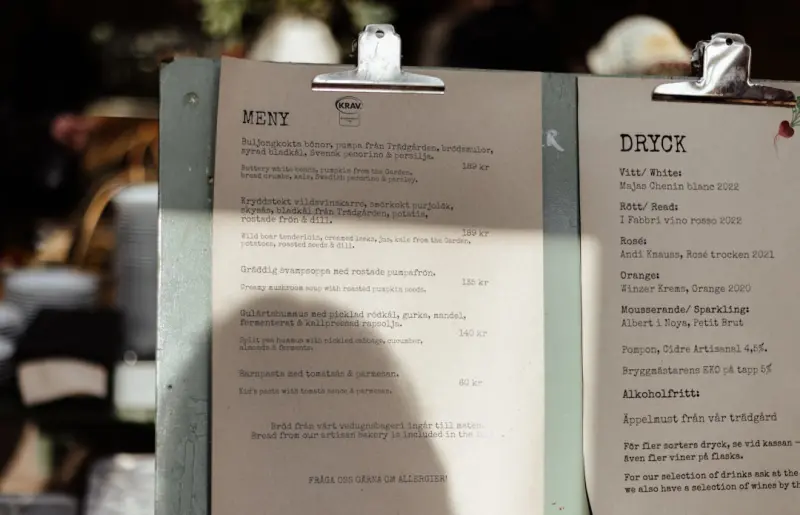
Why AI Is the Next Game‑Changer for Restaurant Menus
When I walk into a downtown bistro and the server hands me a menu that feels tailored to my mood, I know something extraordinary is happening behind the scenes. It’s not a gimmick, and it isn’t a one‑off chef’s intuition. It’s a data‑driven, machine‑learning engine that reads my preferences, the day’s harvest, and even the ambient temperature to suggest the perfect plate. As a lifelong food lover and tech enthusiast, I’ve watched countless trends rise and fall—plant‑based crunch, immersive AR dining, subscription ghost kitchens—but the AI‑powered menu is the first to promise genuine, real‑time personalization at scale.
The Mechanics: From Data Points to Dish Choices
At its core, AI menu personalization hinges on three pillars:
- Customer profiling. Restaurants gather anonymized data from loyalty apps, reservation systems, and even point‑of‑sale interactions. This includes favorite cuisines, dietary restrictions, spending habits, and frequency of visits.
- Ingredient intelligence. Modern inventory platforms feed the AI real‑time data on what’s fresh, what’s nearing expiry, and what’s overstocked. Seasonal produce, local fish catches, and even weather‑driven crop yields become part of the decision matrix.
- Predictive modeling. Machine‑learning algorithms crunch these data streams to forecast which dishes will delight a specific guest at a particular moment. The output? A dynamic menu that reshapes itself by the hour.
The technology isn’t magic; it’s a sophisticated application of the same analytics that power data‑driven wins for Canadian farmers. What differs is the consumer‑facing layer—an interface that feels effortless, yet is backed by a lattice of data points.
Restaurants Gain a Competitive Edge
From a business standpoint, AI‑enabled menus unlock several hidden levers:
- Reduced waste. By nudging diners toward dishes that use surplus ingredients, restaurants can cut food waste dramatically. Imagine a menu that highlights a beet‑infused risotto when the kitchen’s beet inventory is high, turning potential waste into a celebrated seasonal feature.
- Higher ticket averages. When the system suggests a complementary wine or an upscale side based on a guest’s past spending, the average check rises without the pressure of hard‑sell tactics.
- Faster table turnover. A menu that anticipates popular items can streamline kitchen prep, reducing wait times and freeing up tables for the next wave of guests.
- Brand differentiation. In a market saturated with “farm‑to‑table” claims, AI personalization provides a tangible, tech‑savvy story that resonates with millennial and Gen‑Z diners.
Diners Reap Immediate Benefits
For the customer, the experience is equally compelling:
- True personalization. No more scrolling through endless options that don’t align with your dietary needs. The menu learns you—whether you’re a gluten‑free foodie, a lover of bold umami, or someone who prefers low‑sodium dishes.
- Discovery without risk. AI can subtly introduce new flavors that match a guest’s palate, encouraging culinary exploration while minimizing the fear of an unsatisfactory meal.
- Transparency. Some platforms now display why a dish is recommended—“Made with locally sourced kale harvested this morning”—building trust and storytelling into each order.
Implementation: From Concept to Kitchen
Deploying AI menus isn’t as simple as flipping a switch. Restaurants typically follow a phased approach:
- Data foundation. Establish robust data collection across POS, inventory, and reservation systems. Even a small bistro can start with basic loyalty app data.
- Partner with a technology vendor. Companies like FlavorAI or MenuSense offer turnkey solutions that integrate with existing kitchen display systems.
- Pilot testing. Begin with a limited menu segment—say, appetizers—and monitor guest feedback and waste metrics.
- Iterate and scale. Refine algorithms based on real‑world results, then expand to full‑service menus, beverage pairings, and even dessert options.
It’s essential to maintain a human touch. Chefs remain the curators of flavor, while AI acts as the invisible sous‑chef that optimizes for efficiency and personalization.
Real‑World Examples That Are Already Serving Up AI
Several forward‑thinking establishments have begun to showcase how AI can reshape the dining experience:
- Tokyo’s “Kome” sushi bar. By analyzing daily tuna deliveries and patron order histories, Kome offers a rotating “Chef’s Choice” sashimi platter that never repeats, dramatically reducing over‑stocked fish waste.
- Toronto’s “Harvest Table”. Leveraging local farm data, the restaurant’s menu adjusts nightly to feature the freshest produce, while an AI engine recommends wine pairings based on both the dish and the diner’s previous selections.
- Seattle’s “Brew & Bites”. The coffee shop uses AI to pair pastries with brewing methods, resulting in a 15% increase in pastry sales and higher customer satisfaction scores.
These case studies illustrate that AI isn’t confined to high‑end fine dining; it can scale across casual cafés, fast‑casual chains, and even food‑truck operations.
Synergy With Other Food Trends
While AI personalization is a standalone revolution, it intertwines nicely with existing movements. For instance, the fermentation revival is bringing complex flavors back to home kitchens. An AI menu can surface fermented dishes that align with a guest’s palate, making adventurous eating more approachable.
Similarly, the growing plant‑based snack market benefits from AI recommendations that match protein levels, texture preferences, and dietary goals, helping diners discover the perfect crunchy alternative without trial‑and‑error.
Challenges and Ethical Considerations
No technology is without its hurdles. Restaurants must navigate:
- Data privacy. Collecting guest data demands clear consent mechanisms and robust security protocols to protect personal information.
- Algorithmic bias. If the training data skews toward certain cuisines or demographics, the AI may inadvertently marginalize underrepresented food cultures.
- Staff adoption. Kitchen teams need training to trust and effectively use AI insights, preventing resistance born from fear of automation.
Addressing these challenges head‑on ensures that AI enhances, rather than undermines, the hospitality experience.
Looking Ahead: The Future of AI‑Driven Dining
The next wave of AI menus will likely incorporate:
- Real‑time sensory feedback. Wearable devices could detect a diner’s heart rate or facial expressions, fine‑tuning spice levels on the fly.
- Cross‑venue integration. Imagine walking from a coffee shop to a restaurant, and your AI profile seamlessly updates to suggest a brunch menu that complements your morning espresso.
- Zero‑waste loops. AI could automatically route surplus ingredients to local food banks or partner with nearby farms for composting, creating a closed‑loop ecosystem.
When these capabilities mature, the line between chef intuition and algorithmic precision will blur, delivering meals that are simultaneously inventive, sustainable, and perfectly aligned with individual tastes.
Conclusion: Embrace the Data, Trust the Flavor
In the ever‑evolving landscape of food & drink, the only constant is change. From the rise of micro‑restaurants to the AR‑enhanced dining tables, each wave has nudged the industry forward. AI‑driven menus represent the next logical step: a marriage of culinary art and data science that respects the chef’s creativity while honoring the diner’s individuality.
For restaurateurs willing to invest in the right data infrastructure and partner with thoughtful technology providers, the payoff is clear—greater efficiency, happier guests, and a menu that feels less like a static list and more like a living, breathing conversation between the kitchen and the table. As we continue to explore the frontier where taste meets tech, one thing is certain: the future of food will be as personalized as it is delicious.

Related Posts

Ontario's Best Butter Tart Festivals: A Sweet Journey Through Ontario's Culinary Heritage
Ontario, a province celebrated for its diverse landscapes and vibrant culture, holds a special place... Read More

Fermenting the Future: Home‑Made Flavors That Transform Canadian Kitchens
Explore the rise of home fermentation in Canada, from kombucha and miso to kimchi twists, and learn ... Read More

Smoked Cocktails at Home: A Guide to Crafting Aromatic Drinks
Discover the art of smoked cocktails—choose the right wood, master safety, craft infused spirits, ... Read More
Top Posts

Crafting Unforgettable Multi‑Generational Journeys on Cruises and Bus Tours
Explore a fresh travel formula that blends cruise luxury with intimate bus tours, emphasizing cultural immersion, wellness moments, and eco‑friendly practices...Read More

The Microbiome Skin Revolution: Harnessing Your Body's Own Ecosystem for Healthier Living
Explore the hidden world of the skin microbiome, learn how daily habits affect its balance, and discover probiotic and prebiotic skincare strategies for lasting...Read More

Eating with Your Body Clock: How Chrononutrition Boosts Health
Chrononutrition reveals that when you eat matters as much as what you eat. Learn practical strategies to sync meals with your body’s clock, boost gut health, ...Read More

Cost of Living as a Strategic KPI: Turning Regional Expenses into SaaS Growth
Learn how SaaS leaders can transform cost‑of‑living data into a powerful strategic metric, aligning compensation, hiring, and pricing to drive growth and re...Read More
0 Comments
Post Comment
You will need to Login or Register to comment on this post!