
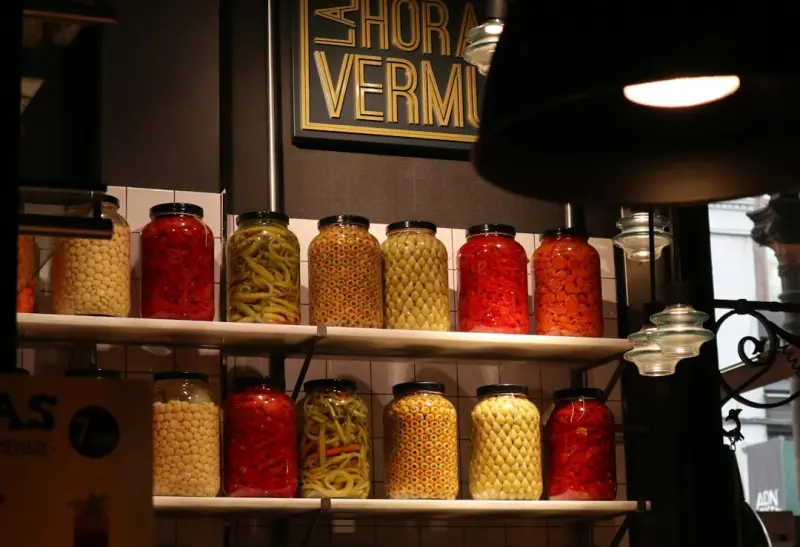
Why Fermentation Is Back in the Urban Kitchen
When I first moved into a tiny downtown loft, the idea of keeping a jar of bubbling cabbage on the counter seemed like a relic from a grandma’s pantry. Fast forward a few months, and that same jar has become my most trusted ally in the fight against stress, bland meals, and the dreaded mid‑afternoon slump. Fermentation isn’t just a culinary curiosity; it’s a science‑backed, flavor‑driven revolution that fits perfectly into the fast‑paced, health‑conscious lives we lead today.
The Micro‑Miracle Inside Every Jar
At the heart of fermentation lies a bustling community of beneficial bacteria, yeasts, and molds that transform simple ingredients into nutrient‑dense powerhouses. These microorganisms produce organic acids, vitamins, and enzymes that not only preserve food but also enhance its digestibility and bioavailability. The result? A food that supports a robust gut microbiome, improves immune function, and even lifts mood.
If you’ve ever wondered how these tiny allies work, think of them as a personalized Nutritional Genomics lab that tailors nutrients to your body’s needs, all without a single lab coat.
From Ancient Traditions to Modern Trends
Fermented foods have been staples in cultures across the globe for millennia—kimchi in Korea, kombucha in Russia, sauerkraut in Germany, and tempeh in Indonesia. What’s new is the way we’re re‑discovering them in city apartments, coworking spaces, and even corporate cafeterias. The modern twist? We’re pairing tradition with technology, using smart fermentation kits that monitor temperature, pH, and humidity, ensuring consistent results every time.
Three Fermented Foods That Are Changing the Game
- Kombucha: This effervescent tea is a probiotic powerhouse, packed with B‑vitamins and organic acids that aid digestion. Its tangy fizz also satisfies cravings for sugary sodas without the crash.
- Sauerkraut & Kimchi: Rich in vitamin C, fiber, and lactic acid bacteria, these shredded cabbage delights can be tossed into salads, sandwiches, or even blended into smoothies for a gut‑boosting kick.
- Fermented Oats (Miso‑Infused Overnight Oats): By introducing a splash of miso to your overnight oats, you add depth, umami, and a dose of beneficial microbes that turn a simple breakfast into a functional feast.
How to Start Fermenting in a Small Space
Getting started is easier than you think. All you need is a clean glass jar, a weight to keep the veggies submerged, and a breathable cover (like a cloth or coffee filter). Here’s a quick starter guide:
- Choose Your Base: Cabbage, carrots, cucumbers, or even fruit.
- Salt the Right Way: Use non‑iodized sea salt at a ratio of 2% of the vegetable weight. The salt draws out water, creating a brine that encourages good bacteria while inhibiting spoilage.
- Pack Tightly: Press the veggies down so they stay fully submerged. Air pockets can lead to mold.
- Seal and Wait: Cover with a cloth, let it sit at room temperature for 3‑7 days, tasting daily until you reach your desired tang.
- Store and Enjoy: Transfer to the fridge to slow fermentation. Your probiotic snack is ready for the week ahead.
Fermentation Meets Sustainability
Beyond health benefits, fermentation is an environmentally friendly practice. It extends the shelf life of produce, reduces food waste, and often requires less energy than traditional preservation methods. By turning surplus vegetables into tangy, nutrient‑rich foods, you’re actively participating in a soil‑friendly farming cycle that supports local growers and cuts down on landfill contributions.
Pairing Fermented Foods with the Modern Lifestyle
For remote workers and office dwellers alike, fermented foods can be a strategic part of a high‑performance routine. Here’s how you can integrate them throughout your day:
- Morning Boost: Add a spoonful of kefir to your morning smoothie for a creamy, probiotic start.
- Mid‑Day Refresher: Swap a boring salad dressing for a drizzle of kimchi juice (aka “kimchi brine”) to add zing and gut‑friendly microbes.
- Evening Wind‑Down: Sip a glass of lightly fermented beet kvass to aid digestion after dinner.
Science‑Backed Benefits You Can Trust
Numerous studies have linked regular consumption of fermented foods to reduced inflammation, better mental health, and even weight management. A 2020 meta‑analysis found that participants who ate fermented foods daily reported a 15% reduction in depressive symptoms, likely due to the gut‑brain axis communication. Another study highlighted improved insulin sensitivity in individuals who incorporated probiotic‑rich foods into their diets.
Addressing Common Concerns
It’s natural to have questions when you’re new to fermentation:
- Will it taste too sour? Fermentation is a balance. You control the timeline, so if you prefer milder flavors, stop the process earlier.
- Is it safe? As long as you follow hygiene standards—clean jars, proper salt ratios, and submerging the food—dangerous pathogens are unlikely to thrive.
- Can I ferment year‑round? Yes! With a small temperature‑controlled environment (like a cupboard or a dedicated fermentation fridge), you can keep the process consistent regardless of season.
Beyond Food: Fermentation as a Wellness Ritual
Many of us seek moments of mindfulness in our daily grind. Fermentation offers a simple, meditative practice: watching the bubbles form, checking the scent, adjusting the brine. It’s a tactile reminder that great health is built slowly, one day at a time—much like the way natural therapy spaces invite us to pause and breathe.
Scaling Up: From Home Kitchen to Community Kitchen
If your passion grows, consider collaborating with local cafés, coworking spaces, or community centers. Host fermentation workshops, start a “Ferment Fridays” club, or partner with a farmer’s market to sell small jars of your creations. This not only spreads the health benefits but also builds a supportive network of like‑minded food enthusiasts.
Conclusion: A Small Jar, A Big Impact
Fermentation is more than a culinary trend; it’s a lifestyle upgrade that aligns with modern values—health, sustainability, and community. By embracing the ancient art of letting food live and breathe, we equip ourselves with a powerful tool to boost gut health, enhance flavor, and reduce waste. So the next time you glance at that bubbling jar, remember: you’re not just preserving vegetables—you’re cultivating a healthier, more resilient you.

Related Posts

Fermentation: The Secret Weapon for Busy Professionals Seeking Better Health
Fermentation isn’t just a culinary trend; it’s a powerful, low‑maintenance tool for busy profe... Read More
Seasonal Synergy: Crafting Nutrient‑Rich Meals with Nature’s Calendar
A fresh take on healthy eating, this post shows how aligning meals with the seasons, your body’s c... Read More
Harvest Timing: How Freshness Shapes Nutrient Power in Your Plate
Explore the science behind nutrient decay, learn storage and cooking hacks, and get a practical week... Read More
Top Posts

Tariffs as a Quiet Catalyst for Canada’s Tech Startup Revolution
Discover how emerging tariffs are prompting Canadian tech startups to rethink global expansion, embrace local supply chains, and turn policy challenges into gro...Read More

Bridging the Gap: How Digital Health Hubs Are Re‑Imagining Care in Canada’s Remote Communities
Digital health hubs are emerging across Canada’s remote regions, offering culturally tailored tele‑care, community‑owned data, and economic opportunities,...Read More

Reimagining Primary Care: Community Health Hubs as Canada’s Next Healthcare Frontier
Community Health Hubs combine primary care, mental health, and social support under one roof, using patient‑shared data and local governance to deliver person...Read More

Urban Foraging: The Unexpected Gourmet Revolution
Urban foraging is reshaping city cuisine, turning everyday green spaces into edible treasure troves. This guide explores the rise, safety tips, culinary possibi...Read More
0 Comments
Post Comment
You will need to Login or Register to comment on this post!