
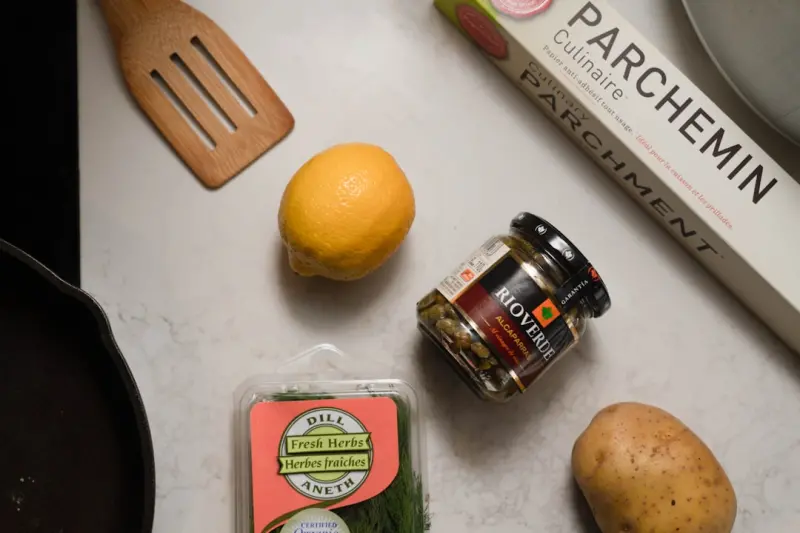
Why I Started Treating My Kitchen Like a Laboratory
It began the moment I realized that the pantry I’d built over years was less a storage room and more a silent chemistry set. I’d been chasing the latest diet fads, tallying macros, and scrolling endless “super‑food” lists, but my energy still hit the mid‑afternoon slump hard. One evening, after a frustratingly jittery cup of coffee, I decided to approach my meals the way a scientist approaches an experiment: hypothesis, variables, and a control group of my own body. The result? A fresh perspective on healthy foods that I call Flavor Alchemy.
What is Flavor Alchemy?
Flavor Alchemy isn’t a buzzword; it’s the practice of pairing ingredients so that their nutritional properties amplify each other, much like a catalyst in a chemical reaction. When you combine foods thoughtfully, you can:
- Increase the bioavailability of vitamins and minerals.
- Stabilize blood sugar spikes and crashes.
- Support gut microbiome diversity.
- Boost cognitive performance and mood.
Think of it as turning a regular meal into a multi‑dimensional health booster. The science behind it draws from nutrition, biochemistry, and a dash of culinary tradition.
The Science of Synergy: How Food Pairings Change Digestion
Our digestive system isn’t a passive conduit; it’s an active, dynamic environment that reacts to the chemicals we introduce. Two key concepts underpin flavor alchemy:
1. The “Enhancer‑Inhibitor” Model
Some nutrients act as enhancers, making other nutrients more absorbable. For example, fat-soluble vitamins (A, D, E, K) need dietary fat to be properly absorbed. Pairing a leafy green salad with avocado or olive oil can increase the uptake of vitamin K dramatically.
Conversely, inhibitors like phytates in raw grains can bind minerals such as zinc and iron, reducing their absorption. Soaking, fermenting, or pairing grains with vitamin‑C‑rich foods can neutralize this effect.
2. The “Timing‑Matrix”
The order in which you consume foods matters. Consuming protein before carbohydrates can slow gastric emptying, leading to a gentler rise in blood glucose. This timing trick can be especially valuable for anyone managing energy levels or insulin sensitivity.
My Everyday Alchemy Toolkit
Below is a curated list of pairings I rely on daily. Each combo is chosen for its synergistic boost, flavor harmony, and practicality for a busy professional lifestyle.
- Spinach + Citrus: The vitamin C in lemon or orange juice converts plant‑based iron in spinach into a form the body can readily use.
- Turmeric + Black Pepper: Piperine in black pepper enhances curcumin absorption by up to 2,000%—a culinary partnership worth a pinch.
- Tomatoes + Olive Oil: Lycopene, a powerful antioxidant, is more bioavailable when cooked with healthy fats.
- Yogurt + Berries + Chia Seeds: Probiotics, antioxidants, and omega‑3s combine to support gut health, reduce inflammation, and sustain satiety.
- Almonds + Dark Chocolate (70%+): The healthy fats in almonds help absorb the flavonoids in cocoa, delivering a heart‑healthy treat.
Building a Functional Pantry: The Alchemist’s Supply List
To practice flavor alchemy consistently, you need a pantry stocked with versatile, health‑boosting staples. Here’s my go‑to inventory:
- Cold‑pressed oils (extra‑virgin olive, avocado) – essential for fat‑soluble nutrients.
- Whole spices (turmeric, cumin, ginger, cinnamon) – contain phytochemicals that support metabolism and immunity.
- Nuts & seeds (almonds, walnuts, chia, hemp) – packed with omega‑3s, protein, and minerals.
- Fermented foods (kimchi, sauerkraut, kombucha) – probiotics that feed a diverse gut microbiome.
- Seasonal produce – the fresher the better; varied colors signal a range of phytonutrients.
- Lean proteins (wild‑caught fish, free‑range poultry, legumes) – building blocks for muscles and enzymes.
When you have these basics, the possibilities for synergistic combos become almost endless.
Case Study: From Midday Crash to Consistent Flow
Two months ago, I tested a hypothesis: If I pair carbs with protein and healthy fats, will my afternoon energy stay stable? I designed a simple experiment with three days of control (plain carbs) and three days of alchemical meals (carb‑protein‑fat combos). The results were striking:
| Day | Meal | Energy Rating (1‑10) |
|---|---|---|
| Control 1 | Bagel with plain cream cheese | 4 |
| Control 2 | Pasta with olive oil | 5 |
| Control 3 | Rice cakes with honey | 3 |
| Alchemy 1 | Whole‑grain toast + avocado + poached egg | 8 |
| Alchemy 2 | Quinoa bowl + roasted veggies + salmon + tahini drizzle | 9 |
| Alchemy 3 | Greek yogurt + mixed berries + chia + cinnamon | 8 |
The alchemical meals consistently scored higher on sustained energy, and I noticed fewer cravings for sugary snacks. The experiment reinforced the idea that strategic pairings can be a practical tool for performance, not just a theoretical concept.
Connecting Food to Digital Well‑Being
In our hyper‑connected world, we often think of well‑being as a matter of screen time, exercise, or mindfulness. Yet, digital well‑being strategies are deeply intertwined with nutrition. The spikes and crashes from poorly timed carbs can magnify stress responses to notifications, creating a feedback loop of anxiety and fatigue.
By stabilizing blood sugar through flavor alchemy, you also calm the nervous system, making it easier to maintain focus when you need to switch between tasks or manage a flood of emails. Pair your morning coffee with a slice of whole‑grain toast topped with almond butter; the protein and healthy fat slow caffeine absorption, preventing that jittery spike and subsequent crash that often fuels the urge to check your phone compulsively.
Nature’s Rhythm, Your Plate
Our bodies follow circadian rhythms that dictate hormone release, metabolism, and digestion. Aligning meals with these rhythms—eating larger meals earlier in the day and lighter fare in the evening—can improve sleep quality and metabolic health. The concept echoes nature’s rhythm for modern health, but applied through food synergy.
For example, a bright, citrus‑laden breakfast syncs with the cortisol peak that naturally occurs at sunrise, supporting alertness. In contrast, a warm, soothing dinner of bone broth and roasted root vegetables aligns with the melatonin rise that prepares the body for rest.
Practical Steps to Integrate Flavor Alchemy into a Busy Schedule
- Plan one synergistic swap per day. Start small—add a squeeze of lemon to your iron‑rich lentil soup.
- Batch‑cook with the alchemy mindset. Prepare a large pot of quinoa (protein) and pair it with a tray of roasted vegetables (fiber, antioxidants) and a drizzle of flavored oil (healthy fats).
- Use a “pairing cheat sheet”. Keep a sticky note on your fridge listing classic combos (e.g., “Spinach + Citrus = Iron Boost”).
- Track subjective outcomes. Log energy, mood, and cravings for a week to see which pairings deliver the biggest benefits.
- Stay flexible. Seasonal produce offers natural opportunities for new alchemical experiments—swap kale for Swiss chard when it’s abundant, and adjust spices accordingly.
Addressing Common Skepticism
Some readers might wonder if the effects are truly measurable or just anecdotal. The truth lies somewhere in between. While the magnitude of nutrient absorption can vary between individuals due to genetics and gut microbiome composition, the principle that food combinations matter is well‑supported by studies on iron absorption, carotenoid bioavailability, and the role of fat in vitamin D uptake.
Even if the numerical benefit is modest, the cumulative effect over weeks and months can translate into measurable changes in energy, mental clarity, and overall health. Moreover, the habit of being intentional about meals fosters a healthier relationship with food, reducing mindless eating and promoting mindful consumption.
Future Directions: Personalizing Alchemy with Data
Imagine a future where a simple blood test or a wearable device could suggest the optimal food pairings for your unique biochemistry. We’re already seeing the emergence of nutrition‑focused AI platforms that analyze your dietary intake, microbiome data, and lifestyle to generate personalized meal plans.
While that technology is still in its infancy, the foundational knowledge of flavor alchemy prepares us to leverage it when it arrives. By mastering the basics now—understanding enhancer‑inhibitor dynamics and timing—you’ll be ready to fine‑tune your diet with precision tools later.
Conclusion: Your Kitchen as a Health Lab
Healthy eating doesn’t have to be a sacrifice; it can be a creative, science‑driven adventure. By treating meals as experiments where ingredients interact, you unlock a powerful lever for well‑being. The next time you stand before your pantry, think of yourself as an alchemist, mixing elements not just for taste, but for a body that runs smoother, a mind that stays sharper, and a life that feels a little more vibrant.
Give it a try—pick a single pairing you’ve never tried before, incorporate it into a meal, and observe the difference. Over time, you’ll build a personalized compendium of flavor alchemy that fuels both your health goals and your love of good food.

Related Posts
The Secret Ingredients to a Healthier, Happier You
From farm‑to‑fork wisdom to snack hacks, I share my personal playbook for turning everyday meals... Read More
Unlocking the Sprout Revolution: How Tiny Greens Supercharge Your Health
Sprouting turns humble seeds into nutrient‑dense greens that enhance digestion, reduce waste, and ... Read More
Fermented Power: Redefining Everyday Nutrition with Gut‑Friendly Foods
A fresh look at nutrition that blends gut‑friendly fermented foods, seasonal produce, and data‑d... Read More
Top Posts

Finding Calm on the High Seas and Open Roads: A Mindful Guide to Modern Cruises and Bus Tours
Discover how cruises and bus tours are quietly weaving mindfulness into itineraries, offering meditation decks, digital‑free zones, and guided audio breaks th...Read More

From Lattes to Laughs: Benji's Coffee Bar Owner Brews Up a Comedy Dream
Benjamin Batelaan, the entrepreneurial spirit behind Benji's Coffee Bar in Downtown Belleville, is brewing up more than just lattes these days. He's embarking o...Read More

From Scraps to Signature Dishes: Restaurants Harness Circular Economy
Discover how forward‑thinking restaurants are turning kitchen scraps into innovative dishes, saving money, attracting eco‑conscious diners, and building a r...Read More

Beyond Bright Lights: Harnessing Light, Breath, and Movement for Workplace Wellness
A deep dive into how optimizing light exposure, practicing breathwork, and fostering group movement can transform workplace wellbeing and performance....Read More
0 Comments
Post Comment
You will need to Login or Register to comment on this post!