

Why Fermentation Belongs in Every Modern Kitchen
When you think of “healthy foods,” the first images that pop up are usually smooth‑bowled salads, bright smoothies, or maybe a quinoa bowl sprinkled with avocado. What rarely makes the list is a bubbling jar of sauerkraut or a handful of kefir grains humming with life. That’s a shame, because fermentation is one of the most accessible, science‑backed ways to supercharge the foods you already love. As someone who spends half the day in a bustling office and the other half chasing a bike trail, I’ve learned that a little patience and a few simple tools can turn ordinary meals into gut‑friendly powerhouses.
Fermentation 101: The Micro‑Magic Inside Your Jar
At its core, fermentation is a partnership between you and nature’s most industrious microorganisms—lactic‑acid bacteria, yeasts, and molds. These microbes feast on sugars in vegetables, fruits, dairy, or grains, converting them into acids, alcohols, and gases. The result? Food that’s more digestible, richer in vitamins, and packed with probiotics that feed your gut flora.
Key benefits of fermented foods include:
- Improved digestion: The enzymes produced break down complex carbs, making nutrients easier to absorb.
- Enhanced immunity: A healthy microbiome trains your immune system to respond appropriately, reducing inflammation.
- Longer shelf life: The acidic environment discourages spoilage, letting you keep fresh produce usable weeks longer.
- Flavor depth: Tangy, umami‑rich notes develop that can transform a bland side into a star dish.
Debunking Common Fermentation Myths
Before you dive in, let’s squash a few myths that keep people from trying this technique.
- “Fermentation is dangerous.” When you follow basic hygiene—clean jars, non‑metallic tools, and proper salt ratios—fermentation is safe. The acidity you create is a natural preservative that actually inhibits harmful bacteria.
- “You need fancy equipment.” All you really need is a wide‑mouth glass jar, a weight to keep veggies submerged, and a breathable cover (like a cloth or a coffee filter).
- “It takes weeks of waiting.” While some ferments (like miso) can age for months, many quick ferments—kimchi, sauerkraut, or kefir—are ready in 3‑7 days, perfect for a busy schedule.
Choosing the Right Foods to Ferment
Not everything ferments equally well. Here’s a quick cheat sheet:
- Vegetables: Cabbage, carrots, radishes, and beets thrive in brine. Their crisp texture holds up beautifully.
- Fruits: Apples, berries, and pears can be fermented with a splash of water and a pinch of salt, yielding a tangy, probiotic‑rich snack.
- Dairy: Milk, coconut milk, or nut milks can become kefir or yogurt when inoculated with starter cultures.
- Grains: Cooked rice or quinoa can be turned into “sourdough‑like” starters for pancakes or flatbreads.
Step‑by‑Step: Making Your First Sauerkraut
Sauerkraut is the gold standard for beginner fermenters—simple, cheap, and endlessly versatile. Follow these steps, and you’ll have a probiotic‑rich side dish in under a week.
- Gather ingredients: One medium green cabbage, 1.5 % salt by weight (about 1 tablespoon per 500 g cabbage), and a clean jar.
- Prep the cabbage: Remove any wilted outer leaves, slice the cabbage thinly, and toss with salt.
- Massage: Using clean hands, massage the cabbage for 5‑10 minutes. The salt draws out water, creating a natural brine.
- Pack the jar: Firmly press the cabbage into the jar, ensuring it’s submerged beneath its own brine. Use a fermentation weight or a small clean stone.
- Cover: Place a cloth over the jar, secure with a rubber band, or use a fermentation lid that releases CO₂.
- Wait: Store at room temperature (65‑72 °F) away from direct sunlight. Check daily for mold (which should not appear). Taste after 3 days; if you like the tang, move it to the fridge. If you prefer a stronger flavor, let it ferment up to 10 days.
Enjoy your sauerkraut on sandwiches, mixed into salads, or as a side to roasted meats. It’s a quick boost of vitamin C, K, and B‑complex, plus a hefty dose of live cultures.
Fermented Drinks: Kefir, Kombucha, and Beyond
If you’re looking for a portable probiotic, fermented beverages are a game‑changer. Here’s a brief rundown:
- Kefir: Made by adding kefir grains to milk (dairy or plant‑based). Ferments in 24‑48 hours, delivering a creamy, slightly effervescent drink rich in lactobacillus and yeast strains.
- Kombucha: Sweetened tea fermented with a SCOBY (Symbiotic Culture of Bacteria and Yeast). After 7‑14 days, you get a fizzy, tangy beverage that also contains B‑vitamins.
- Water kefir: Uses water kefir grains and sugar water or fruit juice, producing a light, probiotic‑laden soda alternative.
Tip: Start with small batches (½ cup of grains per cup of liquid) to avoid over‑fermentation, which can make drinks overly sour.
Integrating Fermented Foods into a Busy Lifestyle
One of the biggest barriers to healthy eating is time. Fermentation solves this by turning a short, active prep session into weeks of ready‑to‑eat nutrition. Here’s how to slot it into a hectic week:
- Batch prep on Sundays: Spend 30 minutes chopping veggies and salting them. Store jars in the pantry and let nature do the work.
- Use “ready‑made” kits: Many stores now sell starter kits with pre‑measured spices and instructions. They’re a great way to avoid guesswork.
- Portion for the office: Transfer a few spoonfuls of sauerkraut or kimchi into a small, airtight container for a lunchtime probiotic boost.
- Swap snacks: Replace chips with fermented veggie sticks or a quick kefir smoothie.
Pairing Fermented Foods with Other Healthy Staples
While fermentation stands strong on its own, it shines when combined with other nutrient‑dense foods. For instance, a bowl of quinoa topped with kimchi, avocado, and a drizzle of sesame oil offers a balanced mix of protein, healthy fats, and gut‑friendly microbes.
Looking for inspiration on how to elevate flavor without adding processed sauces? Check out Unlocking the Hidden Power of Food Pairing for Sustained Energy for creative combos that keep your blood sugar stable and your taste buds thrilled.
Fermentation Meets Technology: The Rise of Smart Fermenters
Even the most low‑tech process can benefit from a little digital assistance. Modern “smart fermenters” track temperature, pH, and CO₂ levels, sending alerts to your phone when your batch is ready. This tech‑savvy approach ensures consistency, especially if you’re experimenting with new recipes.
If you’re curious about how AI is reshaping food production, the article How AI is Rewriting the Restaurant Playbook: From Menu Curation to Zero‑Waste Kitchens explores cutting‑edge tools that can also be adapted for home fermenters.
Safety First: Spotting the Bad Guys
While fermentation is generally safe, keep an eye out for:
- Mold: White, cream, or fuzzy mold is a sign to discard the batch.
- Off smells: A rotten or putrid odor indicates contamination.
- Excessive gas build‑up: If a jar is bulging dramatically, release pressure to avoid explosions.
Remember, a properly salted brine creates an environment hostile to harmful microbes but friendly to beneficial ones.
Beyond the Gut: Fermentation’s Impact on Mental Well‑Being
Emerging research suggests a strong link between gut health and mood—a concept known as the gut‑brain axis. Probiotics from fermented foods can influence neurotransmitter production, potentially reducing anxiety and improving focus. While more studies are needed, many anecdotal accounts report feeling more “centered” after regular consumption of kefir or kimchi.
Wrapping Up: Your Fermentation Journey Starts Today
Healthy eating doesn’t have to be a chore of counting macros or hunting exotic superfoods. By embracing fermentation, you add a layer of nutrition, flavor, and resilience to your meals without sacrificing time. Start with a simple sauerkraut or a cup of kefir, observe the changes in your digestion and energy, and gradually expand your repertoire. The microbes are waiting—let them do the heavy lifting while you reap the benefits.

Related Posts

Snack Smarter: How Functional Bites Can Fuel Your Day
Discover the rise of functional snacks—balanced mixes of nuts, seeds, dried berries, and adaptogen... Read More
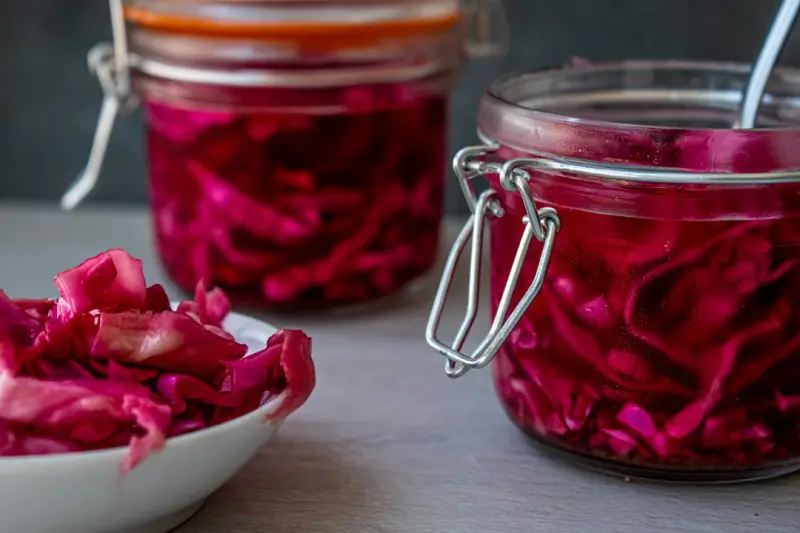
Fermented Foods: Tiny Powerhouses Transforming Modern Nutrition
Explore the rise of fermented foods, their science-backed gut benefits, simple starter recipes, and ... Read More
Cultivating a Kitchen Garden: How Micro‑Harvests Boost Everyday Wellness
Learn how a tiny kitchen garden can elevate your meals, enhance nutrition, and foster sustainable ha... Read More
Top Posts

The Rising Tides of Canadian Entertainment: Fresh Voices, New Platforms, and Bold Innovations
Canadian entertainment is thriving with authentic narratives, Indigenous storytelling, and tech‑driven experiences, offering fresh perspectives that captivate...Read More

When Tariffs Meet Data: Rethinking SaaS Architecture for a Fragmented World
A fresh look at tariffs shows they’re more than a cost line item—they’re a data signal. This post explains how SaaS teams can map trade policies to cloud ...Read More

Virtual Reality Takes Center Stage in Canada’s Entertainment Evolution
A deep dive into the rise of virtual reality in Canada, highlighting Indigenous-led experiences, gaming studios' new live-service approaches, and the sector’s...Read More

Indigenous Electoral Power: The Quiet Force Redefining Canada’s Political Future
Indigenous voters are emerging as a decisive force in Canadian politics, driving policy changes, influencing party platforms, and prompting calls for electoral ...Read More
0 Comments
Post Comment
You will need to Login or Register to comment on this post!