
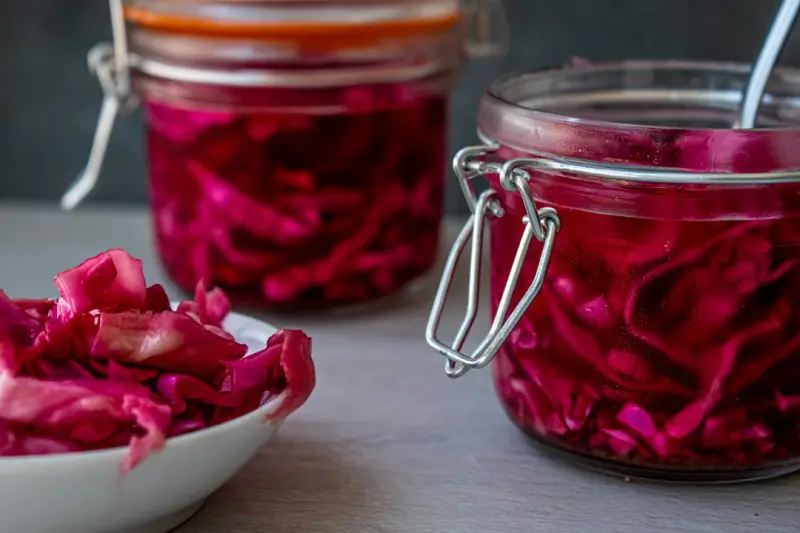
When I first stumbled into the world of fermented foods, it felt like stepping into a secret club that had been buzzing quietly for centuries. The tang of kimchi, the fizz of kombucha, the creamy bite of kefir—each of these humble staples carries a story of microbes doing their quiet work, turning everyday ingredients into nutritional powerhouses. Today, that club is expanding at warp speed, driven by a collective hunger for gut‑friendly, sustainable, and downright delicious options. In this deep dive, I’ll unpack why fermented foods are exploding onto the health scene, how they actually work in our bodies, and—most importantly—how you can bring this ancient craft into a modern kitchen without a PhD in microbiology.
The Science Behind the Sizzle: Why Fermentation Matters
At its core, fermentation is a partnership between us and a legion of microbes—lactic‑acid bacteria, yeast, and sometimes even molds. These tiny allies break down sugars and starches, producing acids, alcohols, and a bouquet of flavor‑active compounds. But the benefits go far beyond taste.
- Enhanced nutrient bioavailability: Fermentation can unlock vitamins (like B‑complex and K₂) that are otherwise trapped in plant cell walls.
- Probiotic boost: Live cultures flood the gut with beneficial bacteria, supporting a balanced microbiome that influences digestion, immunity, and even mood.
- Natural preservation: The acids produced create an environment hostile to spoilage organisms, extending shelf life without artificial additives.
- Digestive ease: Complex carbohydrates are broken down into simpler forms, making foods easier on the stomach and reducing common issues like bloating.
Think of fermentation as a culinary alchemy that transforms ordinary ingredients into supercharged allies for your body. And because the process is largely self‑sustaining, it aligns perfectly with today’s sustainability mindset.
Gut Health: The Real MVP of Fermented Foods
Our gut hosts an entire ecosystem—trillions of microbes that act as a second brain. When we feed these microbes with live cultures from fermented foods, we’re essentially giving them premium fuel. Studies have linked regular consumption of probiotic‑rich foods to reduced inflammation, improved insulin sensitivity, and even better mental health outcomes.
One of the most compelling pieces of evidence comes from research on smart food pairings. Pairing fermented vegetables with a source of healthy fats, such as avocado or olive oil, not only enhances flavor but also aids the absorption of fat‑soluble vitamins produced during fermentation. This synergy amplifies the nutritional punch, turning a simple snack into a holistic health boost.
Starter Kit: The Essentials for Home Fermentation
If the idea of cultivating a living culture feels intimidating, fear not—getting started is easier than you think. Here’s a no‑frills checklist:
- Glass jars or crocks: Non‑reactive containers with wide mouths make it simple to pack and monitor your ferment.
- Weight and seal: A fermentation weight (or a clean stone) keeps veggies submerged, while a breathable lid (or a cloth secured with a rubber band) lets gases escape.
- Salt: Non‑iodized sea salt or kosher salt draws out water and creates an inhospitable environment for bad bacteria.
- Starter cultures (optional): While many ferments rely on wild microbes, you can speed things up with whey, kombucha SCOBY, or commercial starter kits.
Safety is paramount, but the risk is low when you follow basic hygiene: keep everything clean, use the right amount of salt (typically 2 % by weight for vegetables), and trust your senses. A sour smell, a layer of harmless yeast on top, or a slight fizz are all good signs. If you ever see mold (blue, black, or fuzzy), discard the batch and start fresh.
Three Go‑To Fermented Recipes for Beginners
Below are three crowd‑pleasing recipes that require minimal equipment and deliver maximum flavor.
1. Classic Sauerkraut
- Shred one medium green cabbage (about 1.5 kg).
- Massage with 2 % salt (≈30 g) until it releases its juices.
- Pack tightly into a jar, press down to submerge, and add a weight.
- Cover with a cloth, let sit at room temperature for 3–7 days, tasting daily until you reach the desired tang.
Enjoy as a side, on sandwiches, or mixed into salads for a probiotic punch.
2. Quick Kombucha
- Boil 1 L water, add 5 g tea (black or green) and 70 g sugar.
- Cool to room temperature, pour into a glass jar, and add a SCOBY.
- Cover with a breathable cloth and ferment for 7–10 days.
- Flavor with fruit or herbs for a second week if desired.
Remember to reserve a cup of the finished kombucha as a starter for your next batch.
3. Creamy Kefir
- Place 2 tbsp kefir grains into 500 ml milk (cow, goat, or plant‑based).
- Cover loosely, let sit at room temperature for 24 hours.
- Strain the grains (save for reuse) and enjoy the tangy milk as a drink or base for smoothies.
Kefir is a versatile probiotic that can replace yogurt in most recipes.
Fermented Foods Meet Flavor: Pairing for Maximum Impact
Now that you’ve got the basics down, let’s talk about the art of pairing. Fermented foods bring acidity, umami, and effervescence to the table. Pair them with ingredients that complement or contrast these qualities to create balanced dishes.
- Acidic tang with creamy fat: A dollop of fermented miso on avocado toast adds depth while the healthy fats help absorb the fat‑soluble vitamins.
- Spicy heat and sweet crunch: Mix kimchi with a drizzle of honey‑glazed roasted carrots for a delightful sweet‑spicy combo.
- Fizz and fruit: Pair a glass of kombucha with fresh berries; the berries supply antioxidants, while the kombucha’s probiotics enhance gut health.
These pairings echo the principles highlighted in smart food pairings, showing how thoughtful combinations can magnify both flavor and nutrition.
From Kitchen Waste to Culinary Gold: The Upcycled Angle
Fermentation is inherently waste‑friendly. Leftover carrot tops, beet greens, or even spent coffee grounds can become substrates for microbial growth, turning what would be trash into edible delights. For example, you can ferment the pulp left over from a fresh‑pressed juice to create a tangy, probiotic‑rich sauce that adds a zing to marinades.
One of my favorite experiments involved upcycled drinks. I took the spent fruit skins from a summer batch of orange juice, added a splash of kombucha starter, a pinch of sea salt, and let it ferment for three days. The result was a lightly carbonated, citrus‑forward tonic that could replace store‑bought sodas—proof that fermented foods can be both tasty and environmentally savvy.
The Future of Fermentation: Tech, Trends, and Community
While home fermentation remains a hands‑on craft, technology is nudging the practice into the mainstream. Smart fermenters equipped with temperature control, pH sensors, and mobile apps now guide beginners through each stage, reducing guesswork. Commercially, startups are launching shelf‑stable probiotic snacks that retain live cultures without refrigeration, making gut health accessible on the go.
Beyond gadgets, there’s a growing community vibe—online forums, local workshops, and even neighborhood “ferment clubs” where people swap starter cultures and tips. This communal spirit mirrors the collaborative ethos seen in other health‑focused movements, reinforcing the idea that good food is best enjoyed together.
Putting It All Together: A Simple 7‑Day Ferment Challenge
Ready to test the waters? Here’s a straightforward plan you can follow over a week:
- Day 1: Prepare a batch of sauerkraut. While it ferments, set up your kombucha starter.
- Day 2: Begin kefir in the fridge; it will be ready by Day 3.
- Day 3: Taste the sauerkraut; if it’s to your liking, move it to the fridge. Otherwise, let it sit a few more days.
- Day 4: Transfer kombucha to a secondary ferment with fruit slices for added flavor.
- Day 5: Use the kefir in a smoothie with frozen berries and a handful of spinach.
- Day 6: Experiment with a quick pickle—thinly slice carrots, add salt, and let sit for 12 hours.
- Day 7: Host a mini tasting party: sauerkraut on rye, kefir with granola, kombucha with fresh mint, and your quick pickles. Share notes and plan your next batch.
By the end of the week, you’ll have a mini refrigerator stocked with probiotic goodies and a newfound confidence in managing live cultures.
Wrapping Up: Why Fermented Foods Deserve a Spot on Your Plate
Fermentation isn’t a fleeting diet fad; it’s a timeless technique that aligns perfectly with today’s priorities: health, sustainability, and flavor. By embracing these living foods, you’re not just feeding your gut—you’re participating in a tradition that respects the planet, celebrates community, and sparks culinary creativity. So grab a jar, sprinkle some salt, and let the microbes do the heavy lifting. Your future self (and your taste buds) will thank you.

Related Posts
Fermented Frontiers: Unlocking Gut Health with Everyday Superfoods
A deep dive into the power of fermented foods and functional mushroom snacks, offering actionable ad... Read More
Fermented Futures: Unlocking Gut Health with Everyday Foods
Discover how everyday fermented foods like kimchi, kombucha, and miso can transform gut health, redu... Read More
Foraging the Modern Kitchen: How Wild Ingredients Supercharge Your Health
Explore the benefits of foraging wild foods, from nutrient density and gut health to mental well‑b... Read More
Top Posts

Cold Exposure: Harnessing the Power of Ice for Everyday Health
Cold exposure isn’t a gimmick—it’s a science‑backed practice that sharpens mental clarity, accelerates recovery, and revs up metabolism. Learn a simple,...Read More
Chrono‑Smart Eating: How Timing Your Meals Boosts Energy and Health
Learn how syncing meals with your body’s natural rhythm can skyrocket energy, balance hormones, and support better sleep—all with simple timing tweaks....Read More

Unlock Peak Performance with a Color‑First Eating Strategy
A practical guide to using the colors of nature—red, orange, blue, green—to fuel sustained energy, improve cognition, and support overall wellbeing, all wit...Read More

The Unseen Struggles of Mental Health in Rural Canada
The unseen struggles of mental health in rural Canada are a complex issue. Learn about the challenges and find resources to support those affected....Read More
0 Comments
Post Comment
You will need to Login or Register to comment on this post!