
Why Whole Foods Matter
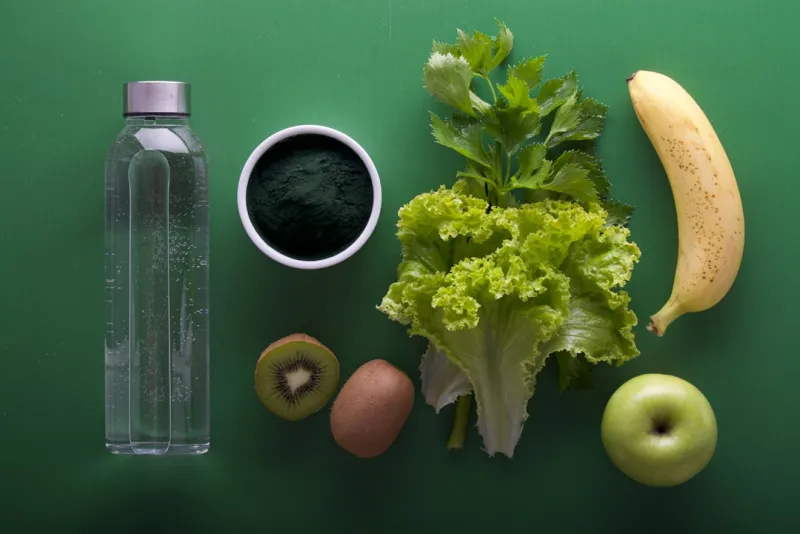
When I first swapped processed snack packets for a crisp apple, I felt the difference in my energy like a sunrise after a long night. Whole, minimally‑processed foods deliver a symphony of micronutrients that your body can actually recognize and use, unlike the synthetic additives that often masquerade as convenience. I still remember the sluggish afternoons before the change, and now my afternoons are powered by the steady release of fiber, protein, and healthy fats that keep blood sugar levels as calm as a still lake. This transformation isn’t a fad; it’s a fundamental shift in how we feed our cells, and the ripple effect shows up in clearer skin, sharper focus, and a mood that stays steady even when the world gets chaotic.
Seasonal Eating in Ontario
Living in Ontario gives me a front‑row seat to the province’s ever‑changing bounty, and I’ve learned that aligning my meals with the seasons is like syncing my body’s internal clock with nature’s rhythm. In early summer, I chase the freshest strawberries at the farmer’s market, while autumn brings a parade of pumpkins, apples, and root vegetables that are perfect for hearty stews. My recent adventure was chronicled in Ontario Fishing: A Local’s Journey Through Seasons, Tastes, and Trails, where I discovered that the same waterways that provide salmon also inspire the perfect pairings of citrus‑y fish with crisp, seasonal greens. Embracing these cycles not only reduces the carbon footprint of my grocery bag but also ensures I’m consuming foods at their peak flavor and nutrient density.
Plant‑Powered Proteins
My kitchen now boasts a rainbow of legumes, nuts, and seeds that rival any meat‑centric pantry in protein potential. A single cup of cooked lentils offers roughly 18 grams of protein, plus a hefty dose of iron and folate, making it a staple for both breakfast bowls and dinner soups. I’ve swapped out traditional beef burgers for black‑bean patties seasoned with smoked paprika, cumin, and a splash of apple cider vinegar, creating a smoky depth that satisfies cravings without the saturated fat load. When I need an extra protein boost for post‑workout recovery, I blend pea protein powder into a green smoothie, turning a simple drink into a nutrient‑dense elixir that fuels muscle repair and keeps hunger at bay for hours.
Fermented Friends: Gut Health Heroes
One of the most rewarding experiments in my culinary journey has been integrating fermented foods that act as friendly bacteria for the gut. I start my mornings with a spoonful of homemade sauerkraut, its tangy crunch reminding me of the ancient preservation methods that keep vegetables alive with probiotics. Kombucha, miso soup, and kefir also make regular appearances on my table, each delivering a unique strain of live cultures that support digestion, immunity, and even mental clarity. The science is clear: a balanced microbiome can reduce inflammation and improve nutrient absorption, so I treat these foods not as occasional treats but as daily essentials that keep my internal ecosystem thriving.
Mindful Meal Planning
Planning ahead isn’t about rigidity; it’s about giving yourself permission to show up for yourself with intention. I spend Sunday evenings mapping out a week’s worth of meals, noting which vegetables are in season, which proteins need to be used up, and where I can incorporate leftovers creatively. This practice saves me countless trips to the grocery store, cuts food waste, and frees mental space for more important decisions. I often refer back to the guide Nourish Your Body: A Fresh Take on Healthy Foods for inspiration on balancing macro‑nutrients while keeping flavor front and center, ensuring that each plate feels like a celebration rather than a chore.
Snack Smart, Not Hard
Snacking used to be my Achilles’ heel, a battlefield of sugary bars and salty chips that left me crashing by mid‑afternoon. The breakthrough came when I swapped those empty calories for nutrient‑dense options like roasted chickpeas, almond butter on celery, and berry‑filled Greek yogurt parfaits topped with a drizzle of honey and a sprinkle of chia seeds. These snacks deliver a balance of protein, healthy fats, and fiber that steadies blood sugar and curbs cravings. I keep a stash of pre‑portioned snack bags in my fridge, each bag a mini‑meal that’s ready to go, turning the act of snacking into a purposeful, health‑boosting habit.
Hydration and Health
Water is the silent partner in every healthy diet, yet it’s often overlooked in the excitement of superfoods and supplements. I’ve learned to flavor my water with slices of cucumber, lemon, or fresh mint, making hydration a sensory experience that encourages me to drink more throughout the day. Proper hydration aids digestion, supports joint lubrication, and even influences mood by helping the brain maintain optimal neurotransmitter function. On especially active days, I add a pinch of sea salt and a splash of natural fruit juice to my water, creating an electrolyte‑rich beverage that replenishes minerals lost through sweat without the artificial additives found in many sports drinks.
Cooking Techniques That Preserve Nutrients
How you cook can be just as important as what you cook, and I’ve become a fan of methods that lock in vitamins while adding texture and flavor. Steaming broccoli just until bright green preserves its sulforaphane, a compound linked to cancer‑fighting properties, while a quick sauté with garlic and olive oil adds heart‑healthy monounsaturated fats that enhance nutrient absorption. I also love roasting root vegetables at a high temperature for a caramelized exterior that brings out natural sweetness without needing added sugars. By mastering a few versatile techniques—steaming, sautéing, roasting, and raw preparations—I keep my meals exciting and nutritionally optimal.
Balancing Pleasure and Performance
Healthy eating doesn’t have to be a sacrifice; it can be a source of genuine pleasure that fuels both body and soul. I treat each meal as a chance to explore textures, aromas, and colors, turning dinner into a mindful ritual rather than a rushed obligation. When I crave something indulgent, I reach for dark chocolate with at least 70 % cacao, pairing it with a handful of fresh berries for a sweet finish that satisfies without the sugar spike. This balance ensures I stay on track with my health goals while still honoring the joy of food, a philosophy that keeps me motivated long after the initial excitement fades.
Your Next Steps Toward a Vibrant Plate
Ready to make the shift? Start small: add one new vegetable to your grocery list each week, experiment with a fermented food, or batch‑cook a protein‑rich legume dish for quick lunches. Keep the momentum by tracking how you feel—energy levels, digestion, mood—and let those observations guide your choices. For extra motivation, check out Powerful Tips to Help Manage Everyday Stress, because a calm mind makes it easier to honor your body’s nutritional needs. Remember, the journey to a healthier you is a marathon, not a sprint; each mindful bite builds the foundation for lasting vitality and a happier, more resilient life.

Related Posts

Why the Palette of Your Plate Matters More Than You Think
A colorful plate isn’t just Instagram‑worthy; it’s a science‑backed strategy for better immu... Read More

Reconnecting with the Land: How Urban Foraging Fuels Health and Community
Urban foraging offers a nutrient‑dense, low‑cost way to improve health and foster community. Lea... Read More

Urban Foraging: Turning City Streets into Superfood Supply
Learn the basics of urban foraging, from identifying safe edible weeds to transforming them into gou... Read More
Top Posts

When Your DNA Calls the Kitchen: The Rise of Nutritional Genomics
Nutritional genomics is turning our DNA into a personalized recipe card. This article dives into the science, real‑world impact, ethical considerations, and p...Read More

Reboot Your Health: The Power of Forest Bathing for Urban Wellness
Explore the science behind forest bathing and learn practical steps to integrate nature immersion into a hectic urban lifestyle for lasting health benefits....Read More

Powering the Prairie: How Canadian Farmers Are Turning Fields into Renewable Energy Hubs
Canadian farms are evolving from pure food production to clean‑energy powerhouses. This article examines solar, wind, and biogas projects on agricultural land...Read More

Renewable Energy: Powering the Future of Canadian Family Farms
Canadian farmers are turning to solar panels, wind turbines, and biogas to cut energy costs, generate new revenue, and build resilient rural economies, reshapin...Read More
0 Comments
Post Comment
You will need to Login or Register to comment on this post!