

Introduction: A Sip of the Digital Age
When I first walked into a downtown brewery last summer, I expected the usual chorus of clinking glasses, the low hum of conversation, and the faint, yeasty aroma of hops. What I didn’t anticipate was a sleek tablet perched on the bar, displaying a real‑time heat map of fermentation activity, and a bartender who could quote the exact oxygen uptake rate of the next batch before it was even bottled. It felt less like a traditional taproom and more like a command center for a biotech startup.
That moment was a turning point for me. It crystallized a trend that’s been bubbling beneath the surface of the food and drink world: the marriage of artificial intelligence, data analytics, and age‑old fermentation techniques. From craft beer to boutique spirits, producers are leveraging algorithms to predict flavor development, optimize supply chains, and even co‑create drinks that match an individual’s palate with uncanny precision.
Data‑Driven Fermentation: From Guesswork to Precision
Fermentation has always been part science, part art. Historically, brewers relied on sensory experience—smell, taste, and visual cues—to decide when a batch was ready. Today, that intuition is being augmented by sensors that monitor temperature, pH, specific gravity, and dissolved CO₂ in real time. These data streams feed into machine‑learning models that can forecast the trajectory of a brew weeks before it’s even finished.
Imagine a brewery that can predict the exact moment a yeast strain will produce the desired ester profile for a fruity IPA, or a distillery that knows when a barrel will achieve the perfect balance of vanilla and oak. By feeding historical batch data into supervised learning algorithms, companies can identify subtle patterns that humans would miss—like how a minor fluctuation in ambient humidity on day three influences the final aroma.
One practical example is the use of collaborative farm tech networks. While originally conceived for crop management, these networks now include vineyards and hop farms, allowing growers to share sensor data across regions. The result? A unified database that helps beverage makers source ingredients with consistent quality, regardless of weather anomalies.
Hyper‑Personalized Flavors: The Rise of the “Your‑Taste” Cocktail
Personalization isn’t just for streaming playlists or fitness apps; it’s rapidly becoming the norm for beverages too. Using AI, companies can analyze a consumer’s previous purchases, social‑media sentiment, and even biometric data from wearable devices to recommend a drink that aligns with their current mood and physiological state.
Take the emerging “flavor‑DNA” platforms: customers complete a quick online questionnaire—think “Do you prefer citrusy notes or earthy undertones?”—and the system cross‑references their responses with a massive repository of flavor compounds. The algorithm then suggests a beer, cider, or spirit that matches the profile, and can even generate a custom recipe for home brewers.
- Dynamic brewing schedules: Adjusting hop additions on the fly based on real‑time taste feedback.
- AI‑crafted cocktail formulas: Mixing ratios calculated to maximize balance for a user’s palate.
- Tailored aging processes: Selecting barrel types and aging durations that complement a drinker’s flavor preferences.
These capabilities turn the act of ordering a drink into a curated experience, akin to a personal sommelier that never sleeps.
Sustainability & Waste Reduction: Brewing Smarter, Not Harder
Beyond flavor innovation, AI is a powerful ally in the quest for sustainability. Fermentation processes traditionally generate significant waste—spent grain, yeast slurry, and excess water. By modeling the entire production cycle, AI can pinpoint inefficiencies and suggest corrective actions.
For instance, a brewery might use predictive analytics to schedule brewing runs that align with the availability of locally sourced barley, minimizing transportation emissions. Simultaneously, machine‑learning models can forecast the exact quantity of yeast needed for each batch, reducing the surplus that would otherwise end up as waste.
Another promising development is the concept of “circular brewing,” where by‑products are repurposed. Spent grain can be transformed into high‑protein animal feed or even used in bakery products. AI assists by matching surplus by‑products with nearby farms that can utilize them, creating a symbiotic ecosystem.
These practices echo the principles outlined in sustainable soil stewardship initiatives, where data‑driven decisions enhance both productivity and environmental stewardship—just applied to the beverage world.
Democratizing Craft at Scale: From Micro‑Brewery to Global Shelf
One of the most exciting implications of AI in food and drink is the potential to scale artisanal quality without sacrificing authenticity. Traditionally, scaling a craft brand meant diluting its unique character to meet mass‑production demands. Today, advanced process controls enable small producers to replicate their signature profiles across larger batches.
Cloud‑based fermentation management platforms allow a micro‑brewery in a coastal town to synchronize its fermentation parameters with a sister facility thousands of miles away. The result? Consistent taste across regions, while each location maintains its local sourcing ethos.
This distributed model also opens doors for emerging brewers in underserved markets. With a modest investment in sensors and access to a shared AI engine, a startup in a remote community can produce a world‑class brew and compete on the same playing field as established brands.
Challenges & Ethical Considerations: When the Algorithm Meets the Ale
While the benefits are compelling, integrating AI into beverage production isn’t without hurdles. Data quality remains a critical concern; inaccurate sensor readings can mislead models, leading to off‑flavors or production delays. Moreover, there’s a cultural resistance among traditional artisans who fear that technology might erode the human touch that defines craft.
Ethically, the personalization of drinks raises privacy questions. Companies must navigate the fine line between offering tailored experiences and respecting consumer data. Transparency about data usage, robust consent mechanisms, and stringent security protocols are non‑negotiable.
Finally, there’s the risk of homogenization. If everyone relies on the same algorithmic recommendations, the market could converge toward a narrow set of “optimal” flavors, stifling experimentation. To counter this, many innovators are building “exploratory” AI modules that deliberately introduce novel, unexpected flavor pairings—pushing the boundaries of what we consider drinkable.
Looking Ahead: The Next Fermentation Frontier
The trajectory of AI in the food and drink sector points toward an era where every sip is a data‑informed experience, yet still deeply personal. As sensors become cheaper and models more sophisticated, we’ll likely see:
- Real‑time flavor adjustment: On‑demand tweaking of fermentation variables during the brewing process to meet live consumer feedback.
- Biotech‑enhanced ingredients: Genetically optimized yeasts and bacteria that produce bespoke flavor compounds on command.
- Integrated supply‑chain visibility: End‑to‑end tracking from farm to glass, ensuring sustainability claims are verifiable.
For me, the most exhilarating part is witnessing how a centuries‑old craft can evolve without losing its soul. The future of food and drink isn’t a cold, sterile lab; it’s a vibrant collaboration between human creativity and machine intelligence—each sip a testament to that partnership.
So next time you raise a glass, consider the invisible network of sensors, algorithms, and data points that helped bring that flavor to your palate. It’s a reminder that in the age of AI, tradition and technology are not adversaries but allies, working together to brew a brighter, more sustainable future.

Related Posts

Fermenting the Future: How Ancient Techniques Revive Modern Menus
Fermentation isn’t just a trend—it’s a powerful tool for flavor, preservation, and wellness. D... Read More
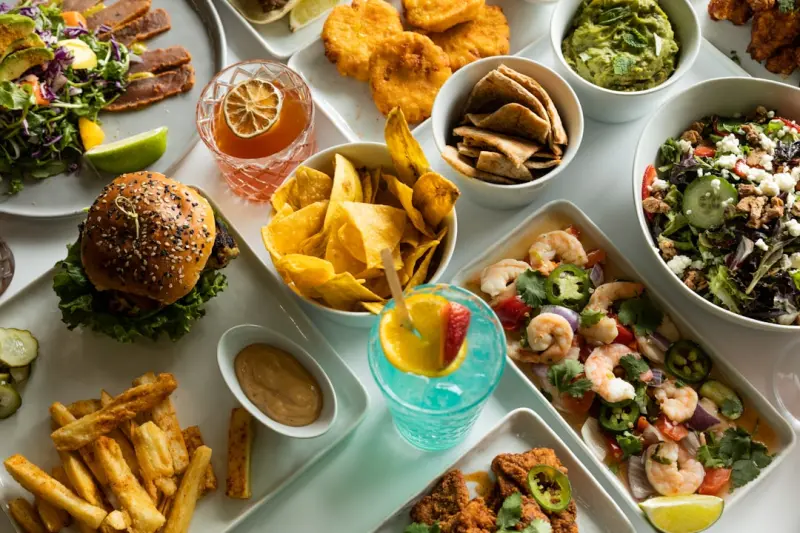
Unlocking the Magic of Home Fermentation: From Kitchen Scraps to Flavorful Superfoods
Explore the world of home fermentation, learn essential tools, safety tips, and creative ways to tur... Read More
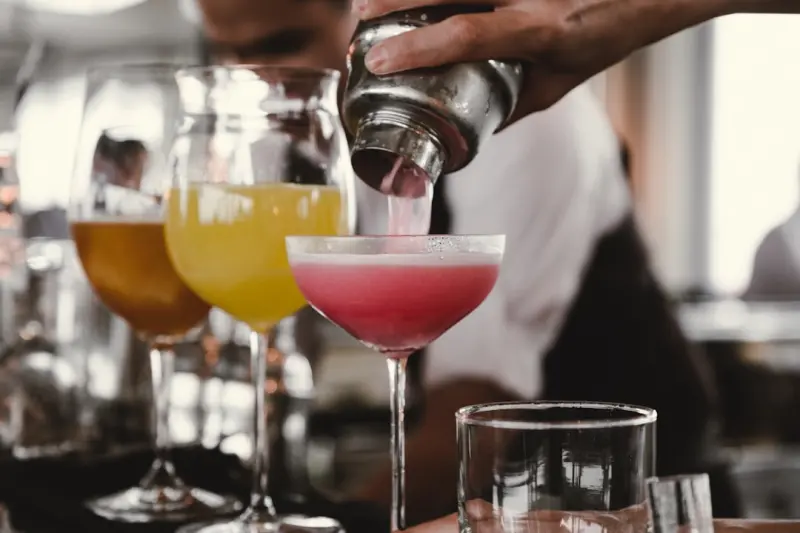
Zero‑Waste Cocktails: Crafting Delicious Drinks from Kitchen Scraps
Discover how to turn kitchen scraps into star cocktail ingredients, with sourcing tips, reusable too... Read More
Top Posts

Community Telehealth Hubs: A New Lifeline for Rural Canadians
A deep dive into community‑run telehealth hubs that combine reliable broadband, trained facilitators, and privacy‑first design to bring quality healthcare t...Read More
From Deck to Desk: On‑Board Skill Workshops Are Changing Travel
Travelers now seek growth on the go. This article explores the rise of on‑board skill workshops—from sushi making to coding bootcamps—showing how they enr...Read More

Designing a Memory‑Rich Prom & Graduation Experience
Learn to turn prom and graduation into a story‑driven, sensory‑rich celebration with budgeting tips, inclusive programming, and creative memory‑keeping id...Read More
Fermentation Revival: Turning Kitchen Leftovers into Supercharged Health Boosts
Learn the science and easy steps behind turning ordinary vegetables and leftovers into probiotic-rich, nutrient‑dense foods that boost gut health, cut waste, ...Read More
0 Comments
Post Comment
You will need to Login or Register to comment on this post!