

Co‑ops, Cloud, and Community: The New Playbook for Canadian Farmers
When the maple leaf flutters over a field of wheat, it isn’t just a picture of tradition – it’s a signal that something new is stirring beneath the soil. Across the Prairies, the Atlantic coast, and the interior valleys, farmers are swapping lone‑wolf mentalities for shared‑resource ecosystems that blend cooperative ownership, cutting‑edge digital platforms, and a renewed focus on local resilience. This isn’t a fad; it’s a strategic response to the pressures of climate uncertainty, market volatility, and an ever‑tightening labor pool.
Why the Shift Matters Now
Three forces have converged to make collaboration the most viable growth strategy for Canadian agriculture:
- Climate volatility. Unpredictable weather patterns demand flexible cropping systems and rapid access to climate data.
- Supply‑chain fragmentation. Global disruptions have highlighted the fragility of long‑haul logistics, nudging producers toward shorter, more transparent loops.
- Technological accessibility. The rollout of high‑speed internet in rural corridors has unlocked a suite of cloud‑based tools that were previously out of reach.
Together, these dynamics are reshaping the farmer’s playbook. No longer is success measured solely by acres harvested; it now hinges on how effectively a farm can tap into collective knowledge, shared infrastructure, and digital marketplaces.
The Power of Cooperative Ownership
Co‑operatives have been a cornerstone of Canadian agriculture for decades, but a new wave is emerging—one that blends the classic principles of shared risk and profit with modern governance models. Here’s how today’s co‑ops are differentiating themselves:
1. Shared Equipment Pools
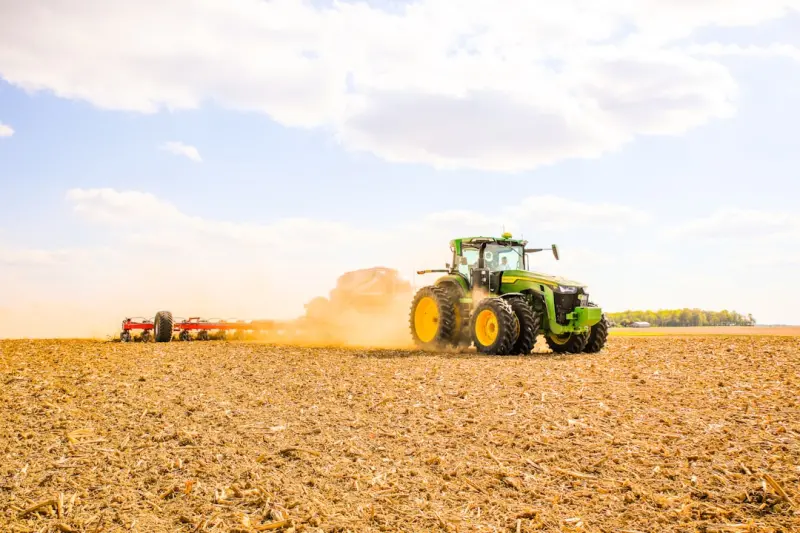
High‑cost machinery such as autonomous tractors, precision‑spraying drones, and advanced harvesters are no longer a barrier when farms band together. By contributing to a communal fleet, members reduce capital outlay and gain access to the latest tech without the depreciation headaches.
2. Regenerative farming blueprint Integration
Modern co‑ops are marrying equipment sharing with sustainability goals. Members collectively adopt regenerative practices—cover cropping, reduced tillage, and diversified rotations—creating a unified impact that is measurable and marketable. The cooperative structure simplifies the tracking of soil health metrics, making it easier to qualify for carbon‑credit programs.
3. Collective Bargaining Power
When a single farmer negotiates a contract with a processor, the leverage is limited. In contrast, a cooperative can present a consolidated volume, negotiate better price points, and even dictate terms around quality standards and packaging. This collective muscle also opens doors to export opportunities that would be unattainable for individual operations.
Digital Marketplaces: From Farmgate to Front‑Door
Even the most robust cooperative framework can stall without a channel to reach consumers efficiently. That’s where digital marketplaces step in. Canadian farmers are increasingly turning to SaaS‑powered platforms that enable direct‑to‑consumer (DTC) sales, subscription boxes, and real‑time inventory updates.
These platforms do more than just list products; they provide analytics dashboards that reveal buying patterns, seasonal demand spikes, and optimal pricing strategies. For instance, a dairy co‑op in Ontario can see a surge in demand for organic milk during local festivals and adjust its distribution routes accordingly—all from a single cloud interface.
Crucially, the Canada’s broadband rollout has turned previously isolated farms into data‑rich hubs. High‑speed connectivity ensures that even remote operations can upload sensor data, manage e‑commerce listings, and communicate with logistics partners without a hitch.
Building Community Resilience Through Shared Infrastructure
Beyond equipment and marketplaces, Canadian farmers are investing in shared physical infrastructure that bolsters regional food security:
- Cold‑storage hubs. Centralized refrigeration facilities reduce post‑harvest loss and allow farmers to extend the selling window for perishable goods.
- Processing collaboratives. Small‑scale canneries and grain mills owned by a consortium of growers keep value‑added processes local, creating jobs and higher margins.
- Renewable micro‑grids. While large‑scale renewable projects have their place, micro‑grids powered by solar or biogas enable farms to offset energy costs and become less dependent on the provincial grid.
These shared assets are often financed through a blend of government grants, cooperative member contributions, and impact‑investment funds that recognize the social return of bolstering rural economies.
Case Study: The Prairie Pulse Co‑Op
Founded in 2019, the Prairie Pulse Co‑op started with a modest pool of five grain growers in Saskatchewan. Within three years, the co‑op expanded its membership to twenty farms, collectively operating a fleet of four autonomous combines, a 2,000‑ton cold‑storage facility, and a digital marketplace that serves over 3,000 direct customers across Canada.
Key milestones include:
- Carbon‑credit certification. By adopting cover crops across 80% of its acreage, the co‑op earned enough carbon offsets to fund the purchase of the autonomous fleet.
- Market diversification. The digital platform enabled members to launch a subscription box featuring heirloom grains, boosting average farm revenue by 22%.
- Community outreach. Prairie Pulse partnered with local schools for “Farm‑to‑Classroom” programs, strengthening public perception and creating a pipeline of future agri‑talent.
The success story underscores how shared ownership, tech adoption, and community engagement create a virtuous cycle of growth and sustainability.
Overcoming Barriers: What Keeps Some Farmers Hesitant?
Despite the clear advantages, several challenges persist:
- Cultural inertia. Generational farms often cherish independence, viewing cooperation as a loss of control.
- Data security concerns. Sharing real‑time operational data raises questions about privacy and competitive advantage.
- Financing hurdles. Initial capital for shared assets can be daunting, especially when access to low‑interest loans is limited.
Addressing these concerns requires transparent governance structures, robust cybersecurity protocols, and targeted financial products—areas where provincial ministries and fintech innovators are stepping in.
Policy Landscape: Enabling the Cooperative‑Digital Nexus
Recent policy shifts have begun to align with the cooperative‑digital model:
- Rural broadband subsidies. Federal and provincial grants are earmarked for expanding high‑speed internet to underserved agricultural zones.
- Co‑op tax incentives. Adjusted tax codes reward shared‑ownership models that demonstrate measurable environmental or social outcomes.
- Innovation vouchers. Programs that fund pilot projects for precision agriculture tools, encouraging early adopters to test and refine technologies.
These incentives lower the entry barrier for farms contemplating the transition to a more collaborative and tech‑enabled future.
Practical Steps for Farmers Ready to Join the Movement
If the idea of a cooperative, cloud‑first approach resonates, here’s a roadmap to get started:
- Assess needs and assets. Conduct a SWOT analysis to identify which resources (equipment, storage, knowledge) would benefit most from sharing.
- Explore existing co‑ops. Many regions already host umbrella organizations; joining an established group can accelerate learning curves.
- Invest in connectivity. Verify that your farm has reliable broadband; if not, engage with local initiatives to secure service.
- Trial a digital marketplace. Start with a pilot product line—perhaps a seasonal vegetable box—and test the platform’s logistics.
- Secure financing. Leverage government grants, cooperative loan programs, and community‑based crowdfunding to fund shared assets.
- Implement data governance. Draft clear policies on data ownership, access rights, and cybersecurity measures before onboarding members.
By taking these steps, farms can transition from isolated operations to integrated network hubs that are better equipped to weather economic and environmental storms.
Looking Ahead: The Future of Farming in Canada
The next decade will likely see a proliferation of hybrid models—where traditional family farms sit alongside digitally native cooperatives, all linked by a resilient, high‑speed internet backbone. As climate pressures mount and consumers demand more transparency, the farms that thrive will be those that can swiftly adapt, share risk, and directly engage with their markets.
In this evolving landscape, the old adage “it takes a village” is no longer just a metaphor; it’s an operational blueprint. By harnessing the collective strength of co‑ops, the scalability of cloud platforms, and the loyalty of local communities, Canadian farmers are rewriting the rules of the field—one shared tractor, one digital sale, and one community partnership at a time.

Related Posts

Harvesting Hope: The New Frontier for Canadian Farmers
Canadian farmers are redefining their future by focusing on mental health, leveraging immersive stor... Read More
Cultivating Tomorrow: How Canadian Farmers Are Redefining Resilience
A firsthand look at the innovative ways Canadian farmers are merging tradition, technology, and comm... Read More
Regenerative Roots: Canadian Farmers Transform Soil into Climate Solutions
Canadian farmers are turning to regenerative agriculture—cover crops, reduced tillage, and integra... Read More
Top Posts

Bridging Ancient Roots and Digital Tools: Canadian Farmers Chart a New Future
Canadian farmers are merging centuries‑old Indigenous practices with modern sensor technology and AI, creating resilient, sustainable operations that benefit ...Read More

The Flavors of Community: How Local Food Can Bring People Together
Local food has the power to bring people together and foster a sense of community. By supporting local businesses and choosing to eat local, we contribute to th...Read More

Is the CN Tower Still Worth the Ascend in 2025? Let Me Tell You About My Experience and Why You Should Go!
The CN Tower. Even the name evokes a sense of awe and wonder. For years, it dominated the Toronto skyline, a beacon of innovation and architectural prowess. But...Read More

From Passive Ads to Conversational Commerce: Building Real-Time Customer Journeys
Explore a fresh marketing approach that replaces static ads with real-time, AI‑enhanced conversations, turning every customer touchpoint into a revenue‑driv...Read More
0 Comments
Post Comment
You will need to Login or Register to comment on this post!