
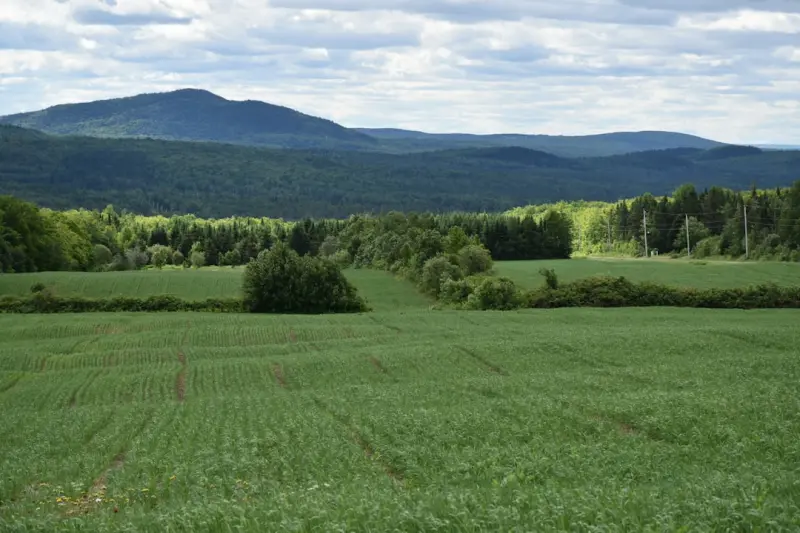
From Soil to Strategy: Why Regenerative Farming Is the Next Big Business Move for Canadian Growers
When I first stepped onto my family’s 200‑acre plot in southwestern Ontario, the most pressing concern was the yield report from the previous season. Today, the conversation at our kitchen table has shifted from “how many bushels” to “how do we rebuild the living soil that sustains those bushels.” As a third‑generation farmer who has watched the industry wrestle with volatile markets, shifting climate patterns, and rising input costs, I’m convinced that regenerative agriculture isn’t just an environmental buzzword—it’s a competitive advantage waiting to be unlocked.
The Business Case Behind Regeneration
Regenerative practices—cover cropping, reduced tillage, diversified rotations, and holistic livestock integration—have traditionally been championed by environmentalists. What many of us in the field are now discovering is that these same techniques can dramatically improve profitability:
- Lower Input Bills: By fostering natural nitrogen fixation through legumes and encouraging beneficial soil microbes, the need for synthetic fertilizers drops sharply.
- Resilience to Weather Extremes: Healthy soils retain moisture longer, buffering crops against drought, while organic matter improves drainage in wet years.
- Premium Market Access: Retailers and food‑service brands are paying a premium for products certified as regenerative or carbon‑negative.
- New Revenue Streams: Soil carbon credits, biodiversity offsets, and ecosystem service payments are emerging as lucrative side‑income sources.
The numbers are compelling. A recent pilot in the Prairies showed a 15 % reduction in fertilizer spend and a 10 % increase in grain quality after just three seasons of cover cropping. When you combine cost savings with higher market prices, the return on investment can eclipse traditional yield‑focused upgrades.
Getting Started Without Going Broke
Many farmers assume that turning a conventional operation into a regenerative one requires a massive upfront capital outlay. In reality, the transition can be staged to match cash flow:
- Start Small with Cover Crops: Plant a winter rye strip along field edges. It’s inexpensive, protects soil, and provides a modest forage source for livestock.
- Integrate Livestock Strategically: If you already have a few head of cattle, begin rotational grazing on post‑harvest fields. The animals deposit manure where it’s needed most, reducing the need for external fertilizer.
- Leverage Data and Partnerships: Modern soil sensors and satellite imagery give you actionable insight into organic matter levels. You don’t have to reinvent the wheel; tools from the National Broadband Strategy are already rolling out to rural areas, making high‑resolution data affordable.
Each step builds confidence and proof points that can be shared with lenders, insurers, and buyers, making the next round of financing easier.
From Soil Health to Supply‑Chain Trust
One of the biggest hurdles for Canadian growers is the “trust gap” that exists between producers and end‑consumers. Buyers often question the provenance and sustainability claims of agricultural products, especially when they travel long distances. Regenerative practices give you a tangible story that can be verified:
- Documented increase in soil organic carbon measured by third‑party labs.
- Transparent grazing plans logged in cloud‑based herd management software.
- Field‑level data shared via APIs that integrate directly with retail partners’ sustainability dashboards.
When you can present a digital audit trail that demonstrates measurable improvements in soil health, you turn a vague marketing claim into a data‑driven selling point. This approach aligns perfectly with the emerging generative AI legal frameworks that require verifiable evidence for sustainability certifications.
Building a Community of Regenerative Leaders
Regeneration thrives on collaboration, but not in the vague “shared future” sense that has already been covered elsewhere. The real power lies in localized knowledge networks—farmers sharing what works on a specific soil type, climate, or market niche. Here’s how you can tap into that ecosystem:
- Join a Soil Health Cooperative: These groups pool resources for soil testing, share cover‑crop seed, and collectively negotiate better rates for equipment.
- Attend Field Days Focused on Regeneration: Provinces are increasingly funding demonstration farms that showcase real‑world results.
- Participate in Digital Forums: Platforms that combine satellite data with farmer‑generated observations let you benchmark your progress against peers across the country.
The cumulative effect is a rapid diffusion of best practices, reducing trial‑and‑error costs for each individual farm.
Policy Landscape: Opportunities and Pitfalls
The Canadian government has begun to recognize the climate mitigation potential of regenerative agriculture. Incentive programs for carbon farming, grants for soil testing, and tax credits for adopting low‑tillage equipment are now part of the policy mix. However, navigating these programs can be complex:
- Eligibility Criteria: Many schemes require third‑party verification, which can be a bottleneck if local auditors are scarce.
- Reporting Burdens: Detailed data collection is necessary to claim carbon credits, but the tools are becoming more user‑friendly thanks to the rollout of broadband in rural regions.
- Long‑Term Commitment: Some incentives are only available after a multi‑year baseline is established, meaning patience and forward‑thinking are essential.
Staying informed about policy updates—through agricultural extension services or industry newsletters—ensures you capture available funding without getting tangled in red tape.
Future‑Proofing Through Diversification
Regenerative agriculture is not a one‑size‑fits‑all solution. The true resilience comes from diversifying both the on‑farm ecosystem and the revenue streams. Here are three diversification pathways that pair naturally with regenerative principles:
- High‑Value Specialty Crops: Heritage grains, pulses, and herbs thrive in low‑input systems and command premium prices.
- Agri‑Tourism Experiences: Guided soil walks, regenerative cooking classes, and “farm‑to‑table” events connect consumers directly to the land, building brand loyalty.
- On‑Farm Processing: Turning raw beans into roasted coffee or grain into flour adds margin and reduces reliance on external processors.
Each avenue leverages the health of the soil to create products that are both market‑ready and story‑rich.
Measuring Success: Metrics That Matter
Traditional farm metrics focus on yield per acre and input costs. While those remain important, a regenerative operation should also track:
- Soil Organic Carbon (SOC) Levels: Annual increases of 0.1‑0.3 % are considered significant.
- Biodiversity Index: The variety of insects, microbes, and plants present, often measured through simple field surveys.
- Water Use Efficiency: Volume of water used per unit of yield, which improves as soil structure enhances infiltration.
- Carbon Credit Accrual: Quantified carbon sequestered that can be sold in emerging markets.
By publishing these metrics in annual sustainability reports, you reinforce transparency and attract partners who value data‑driven stewardship.
Conclusion: A Call to Action for Canadian Farmers
Regenerative agriculture is more than an ecological imperative; it’s a strategic pivot that aligns profitability, risk mitigation, and market differentiation. The path forward is iterative—start with a single cover crop, measure its impact, and scale up. Leverage the expanding digital infrastructure, tap into cooperative knowledge networks, and stay attuned to policy incentives. In doing so, we not only safeguard the health of our soils for future generations but also position Canadian farms at the forefront of a global shift toward sustainable, resilient food systems.
The fields we tend today will be the legacy we leave tomorrow. By choosing regeneration, we choose a future where thriving soils translate into thriving businesses.

Related Posts

Cultivating Calm: A New Chapter in Canadian Farmers' Mental Wellness
A deep dive into the growing mental‑health movement among Canadian farmers, highlighting peer netw... Read More
Harvesting the Future: How Canadian Farm Cooperatives Are Redefining Agriculture
Canadian farmers are banding together in cooperatives, leveraging cutting‑edge tech and clean ener... Read More
Beyond the Fields: How Canadian Farmers Are Cultivating Community and Resilience
A deep dive into how Canadian farmers blend tradition with innovation—focusing on mental health, r... Read More
Top Posts

Stretching Your Dollar: Unconventional Ways to Lower Daily Living Costs
Explore inventive, low‑cost tactics that transform budgeting into a rewarding habit, leveraging public assets, loyalty programs, and simple habit tweaks to ke...Read More

Ontario Anglers Turn Boats into Mobile Conservation Labs
Ontario’s fishing community is embracing data‑driven tools, biodegradable gear, and citizen science to protect lakes and rivers, turning each outing into a ...Read More

Immersive Gaming Hubs: Canada’s Next Entertainment Frontier
Canada’s entertainment scene is evolving beyond movies and music, with immersive gaming hubs emerging as communal, tech‑driven spaces that blend VR, AR, and...Read More

Smart, Sustainable Prom & Graduation: A Modern Planning Guide
Discover a fresh approach to prom and graduation that combines smart SaaS tools, sustainable choices, and hybrid experiences, delivering a memorable event witho...Read More
0 Comments
Post Comment
You will need to Login or Register to comment on this post!