
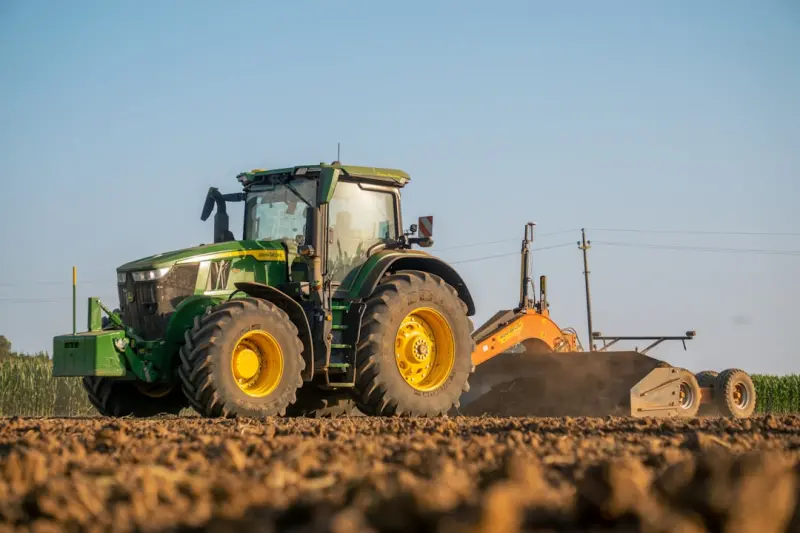
Why Canadian Farming Is at a Crossroads
From the moment the first frost kisses the fields of Saskatchewan to the golden sunsets over Nova Scotia’s vineyards, I’ve watched a quiet revolution unfold across our farmlands. The old picture of a lone farmer with a tractor is giving way to a networked community that balances tradition with tomorrow’s tools, and that shift feels as profound as the prairie wind itself. Regenerative stewardship, digital insight, and a renewed sense of belonging are stitching together a tapestry that could redefine what it means to farm in Canada.
Soil Health as the New Bottom Line
Decades of monoculture left many of our soils exhausted, and the climate’s increasing unpredictability only sharpened the urgency to act. We’ve begun to treat soil not just as a medium for crops but as a living organism that rewards careful stewardship with carbon sequestration, water retention, and biodiversity—a true financial asset for any farm. By integrating cover crops, reduced tillage, and compost applications, we’re watching the earth pulse back to life, and the numbers on our balance sheets are finally reflecting that vitality.
Digital Tools: From Drones to Data Lakes
When I first saw a drone hovering over my wheat field, I thought it was a novelty; today it’s a critical eye in the sky that maps moisture stress, pest pressure, and yield potential in real time. Sensors embedded in the soil transmit humidity and temperature to my tablet, allowing me to fine‑tune irrigation schedules and cut waste by up to 30 percent. Coupled with cloud‑based analytics platforms, this flow of information turns intuition into actionable strategy, and the speed at which decisions are made is reshaping profitability across the Prairies.
Mental Health and the Power of Peer Networks
The isolation that once defined farm life is eroding thanks to farmer‑to‑farmer support circles, virtual counseling services, and community gatherings that prioritize mental wellness. We now recognize that a healthy mind is as essential as fertile soil; stress‑reduction techniques, shared storytelling, and even simple micro‑movement breaks during long days are becoming standard practice on many operations. This cultural shift is not only improving quality of life but also enhancing productivity, as a rested farmer makes sharper, more sustainable decisions.
Direct‑to‑Consumer Models: Cutting Out the Middleman
Consumers are demanding traceability, freshness, and authenticity, and farmers are answering with Community Supported Agriculture (CSA) shares, farm‑stand pop‑ups, and subscription boxes delivered straight to doorsteps. By forging these direct relationships, we capture a larger share of the retail price, reinvest in our operations, and build brand loyalty that can weather market volatility. The story behind each carrot or oat becomes a selling point, turning a simple vegetable into an experience that resonates with city dwellers craving a connection to the land.
Indigenous Partnerships: Honoring Ancestral Knowledge
Collaboration with Indigenous communities is no longer a token gesture; it’s a strategic partnership that blends centuries‑old land‑care practices with modern agronomy. Techniques such as controlled burning, rotational grazing, and the use of native plant buffers are being integrated into mainstream farm plans, delivering measurable benefits in soil carbon and biodiversity. These alliances also open pathways for joint ventures, shared marketing, and cultural exchange, enriching both the land and the people who tend it.
Embracing Heritage Crops for Market Differentiation
While staple grains remain the backbone of our economy, there’s a growing appetite for heirloom varieties that offer unique flavors, nutritional profiles, and climate resilience. By diversifying into heritage grains, farmers tap into niche markets, reduce reliance on a single crop, and protect genetic diversity against disease outbreaks. The story of a forgotten grain resurrected for modern tables also provides a compelling narrative that resonates with consumers seeking authenticity.
Agritourism: Turning Farms into Learning Landscapes
Farm stays, harvest festivals, and interactive workshops are transforming agricultural spaces into immersive educational venues, inviting visitors to roll up their sleeves and understand the journey from seed to plate. These experiences generate supplemental income, foster community pride, and demystify the work behind everyday food. By linking our fields to the kitchen, we also create synergy with initiatives like kitchen garden programs that inspire urban dwellers to grow their own herbs, deepening the farm‑to‑fork connection.
Looking Ahead: A Resilient Future Rooted in Collaboration
The next chapter for Canadian agriculture will be written by those who blend respect for the land with openness to innovation, community, and cultural wisdom. As we adopt regenerative practices, harness precise technology, and nurture mental well‑being, we lay the groundwork for farms that are not only profitable but also sustainable for generations to come. The path forward is clear: collaborate, experiment, and keep the dialogue alive—because the health of our soil, our minds, and our markets are all interwoven.

Related Posts
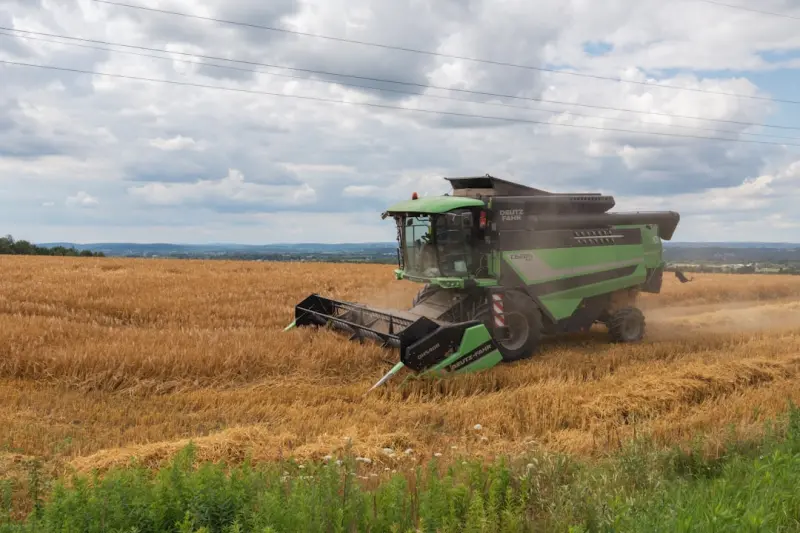
Digital Harvest: How Canadian Farmers Connect Directly with Consumers
Canadian farmers are turning to digital marketplaces, data-driven tools, and collaborative platforms... Read More
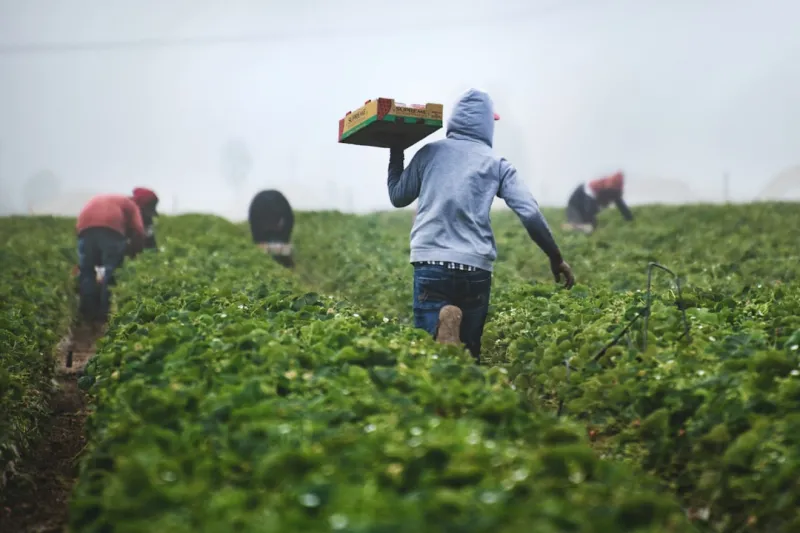
The Unsung Heroes of Canadian Agriculture
Canadian farmers work tirelessly to produce the food and products Canadians rely on, but they face n... Read More

From Soil to Signal: How Data, Drones, and Decentralized Tech Are Reshaping Canadian Farming
Canadian farmers are quietly adopting sensors, drones, and blockchain to transform soil health monit... Read More
Top Posts

Why Your Desk Lamp Could Be Sabotaging Your Sleep (And How to Fix It)
Modern office lighting can throw off your circadian rhythm, leading to poor sleep and reduced performance. Learn why your desk lamp matters and how to adjust it...Read More

Parental Warning: How Kids’ Smart Devices Are Quietly Selling Your Family’s Data
Smart toys and wearables promise education and safety, but they often harvest detailed data about children. This article exposes how these devices collect, sell...Read More

Legal AI & the New Frontier of Ethical Practice
A deep dive into the rise of artificial intelligence in law, its ethical challenges, and actionable guidance for firms seeking to adopt AI responsibly....Read More

Tariff Ripple Effects: How Global Duties Are Redefining Digital Pricing and Brand Strategy
Tariffs are no longer just about shipping containers; they now infiltrate digital services, e‑commerce, and influencer marketing, forcing brands to adapt pric...Read More
0 Comments
Post Comment
You will need to Login or Register to comment on this post!