
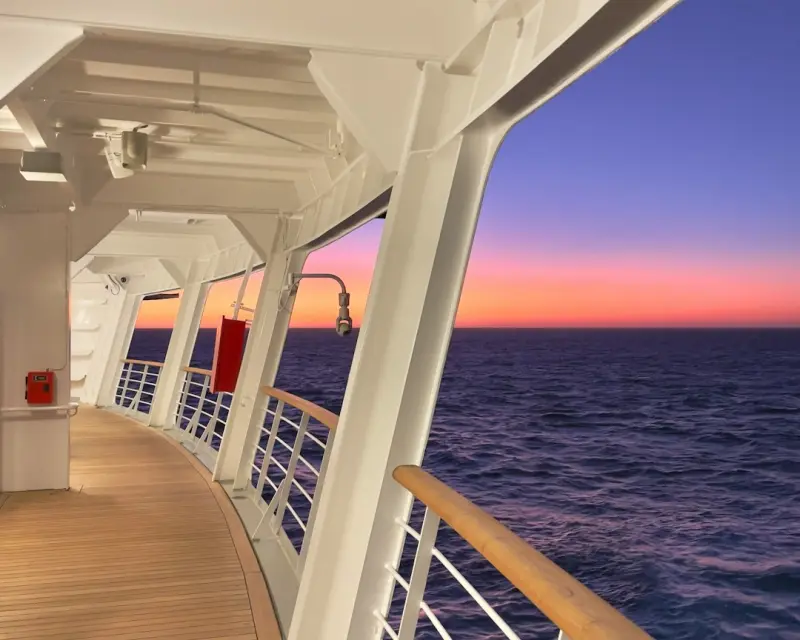
Why the Future of Travel Is a Seamless Cruise‑to‑Bus Experience
When I first stepped aboard a Caribbean cruise, I expected endless sun, endless buffets, and endless playlists. What I didn’t expect was a bus waiting at the dock with a guide ready to whisk me into the heart of a hidden coastal town, where I could trade my deck shoes for hiking boots in under an hour. That moment sparked a revelation: the next wave of travel isn’t about choosing between a cruise or a bus tour—it’s about blending them into one frictionless adventure.
The Rise of Hybrid Itineraries
Travelers today crave authenticity without the logistical headaches. They want the luxury and convenience of a cruise, but also the intimacy of a local bus excursion. Operators that can stitch these experiences together are seeing higher booking conversion rates and more repeat customers. It’s not just a niche trend; it’s a structural shift driven by three forces:
- Data‑driven personalization. Modern passengers expect recommendations that feel hand‑picked, not generic.
- Strategic partnerships. Cruise lines and regional bus companies are forming alliances that allow shared ticketing platforms.
- Sustainable travel demands. Shorter land‑based hops reduce carbon footprints compared to additional flights.
Data‑Driven Personalization on the High Seas
Imagine a cruise app that knows you love street‑food markets. As you approach a port, the app nudges you with a curated bus itinerary that drops you at the best night‑market stalls, complete with a local guide who speaks your language. This is the power of conversational commerce blended with onboard data analytics. By integrating chat‑based assistants, cruise lines can upsell land excursions in real time, turning a simple “What should I do in port?” into a revenue‑generating dialogue.
Building the Partnership Engine
For cruise operators, the biggest hurdle has always been the “last mile” problem—how to get guests from ship to city efficiently. The solution? AI‑powered talent marketplaces that match cruise lines with vetted local tour guides, drivers, and even small‑scale event curators. These platforms act like a talent pool for the travel industry, ensuring that every bus ride is staffed by professionals who understand both the cruise brand and the local culture.
Case Study: The Atlantic Connector
One pioneering cruise line launched the “Atlantic Connector” pilot on a three‑week itinerary covering the Azores, Madeira, and the Portuguese mainland. The program combined a traditional cruise schedule with a network of electric buses that offered:
- Guided “heritage loops” through UNESCO sites.
- Pop‑up culinary workshops on local farms.
- Night‑time stargazing trips to coastal observatories.
Guest satisfaction scores jumped 22% compared to previous voyages, and ancillary revenue from land excursions grew by 35%.
Designing a Seamless Booking Flow
The magic happens when the booking engine treats the cruise and the bus tour as a single product. Travelers can select a cabin, then scroll to a “Land Experience” module where they toggle on or off specific bus tours. The system automatically adjusts pricing, provides real‑time availability, and even bundles discounts for multi‑day land packages. The result is a frictionless experience that feels like buying a single ticket, even though it covers two distinct transport modes.
Tech Stack Essentials
To make this work, operators need a robust tech stack:
- API‑first reservation systems. Open APIs allow cruise CRMs to talk directly to bus operators’ scheduling software.
- AI recommendation engines. Machine learning models analyze passenger preferences, past purchases, and social media signals to suggest the perfect land tour.
- Real‑time analytics dashboards. Operations teams monitor bus occupancy, on‑time performance, and guest feedback instantly.
Environmental Impact: A Win‑Win
Hybrid itineraries can significantly cut down on carbon emissions. By replacing short-haul flights with electric bus legs, cruise lines reduce their overall environmental footprint. Moreover, many bus operators are now adopting hybrid or fully electric fleets, aligning perfectly with the cruise industry’s sustainability pledges. Guests appreciate the green credentials, and the industry gains a compelling marketing angle.
Marketing the Hybrid Experience
Promotion of these combined packages requires a fresh narrative. Rather than marketing a “cruise” or a “bus tour,” brands should sell a “regional immersion journey.” Visuals should highlight the transition—from the ship’s deck to a bustling market accessed via a sleek bus. Social media teasers can feature short clips of guests stepping off the vessel, boarding a bus, and arriving at a hidden gem—all within minutes.
Challenges to Anticipate
While the concept is alluring, there are hurdles:
- Regulatory compliance. Crossing borders with passengers on land requires coordination with customs and immigration.
- Synchronizing schedules. Delays at sea can cascade into missed bus departures, so contingency planning is critical.
- Maintaining brand consistency. The on‑board luxury experience must translate to the land segment, requiring strict quality controls for partner operators.
Addressing these pain points early—through technology, clear SOPs, and rigorous partner vetting—sets the stage for long‑term success.
Future Trends to Watch
Looking ahead, several innovations will further blur the lines between sea and land travel:
- Autonomous shuttle buses. Self‑driving vehicles could provide on‑demand, door‑to‑door service from ports.
- Dynamic pricing models. Real‑time demand data will enable price adjustments for both cruise cabins and bus seats, maximizing revenue.
- Immersive AR guides. Augmented reality apps could overlay historical facts onto landmarks as passengers walk the bus route.
These developments will make the cruise‑to‑bus experience even more personalized, efficient, and memorable.
Takeaway for Industry Leaders
If you’re steering a cruise line, a bus tour company, or a travel tech startup, the message is clear: the next frontier of hospitality is hybridization. By investing in data integration, AI‑enhanced talent sourcing, and sustainable transport solutions, you can craft journeys that satisfy wanderlust while boosting margins. The sea is just the beginning; the real adventure lies on the road that follows.

Related Posts
Exploring Uncharted Itineraries: How Niche Cruise Themes and Boutique Bus Routes Redefine the Road Trip
A fresh look at merging luxury cruises with boutique bus routes, offering travelers authentic, immer... Read More
Beyond the Itinerary: How Story‑Driven Cruises and Bus Tours Redefine Authentic Travel
Explore how story‑rich cruise and bus tours are transforming travel into authentic, sustainable ad... Read More
Hybrid Bus‑Cruise Journeys Redefine Regional Travel
Discover the rise of hybrid bus‑cruise itineraries that blend curated land tours with luxury sea t... Read More
Top Posts
Cultivating Tomorrow: How Canadian Farmers Harness Data, Community, and Resilience
Canadian agriculture is evolving through data‑driven precision farming, renewable energy integration, and agile micro‑partner ecosystems, creating a resilie...Read More

From Trail to Table: A Journey Through Canada’s Lesser‑Known Culinary Landscapes
Discover the untapped flavors of Canada’s backroads, where local farms, Indigenous kitchens, and hidden eateries turn travel into a delicious adventure....Read More
Drive Thru: Reasons to Visit Canada’s Dinosaur Park Near Toronto
Roaring into an adventure that's both prehistoric and packed with fun? Look no further than Canada’s Dinosaur Park, a thrilling drive-thru experience loca...Read More

Beyond the Funnel: Building a Sustainable B2B Flywheel
Learn why the traditional marketing funnel is limiting B2B growth and how a flywheel approach—focused on micro‑moments, community, and data—creates contin...Read More
0 Comments
Post Comment
You will need to Login or Register to comment on this post!