
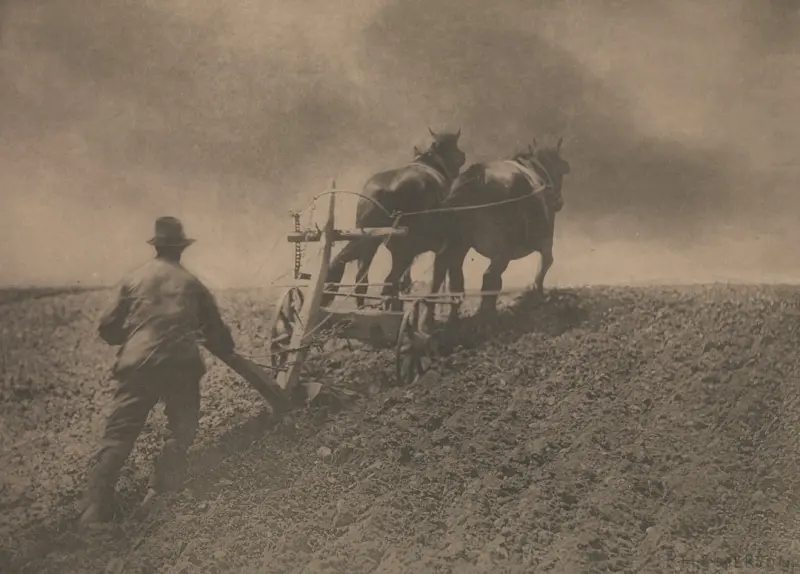
Canadian agriculture is at a crossroads. While the land has always been generous, the challenges of climate volatility, market fluctuations, and a rapidly aging farmer population demand fresh thinking. In the fields of the Prairies, the orchards of British Columbia, and the mixed farms of Ontario, a new generation is weaving technology, community collaboration, and sustainable practices into the very fabric of how we grow food. This piece walks through the three pillars reshaping our farms today: data‑driven precision agriculture, renewable energy integration, and the rise of cooperative micro‑partner ecosystems that empower even the smallest operations.
From Guesswork to Precision: Data as the New Plow
For centuries, farmers have relied on intuition, weather lore, and experience passed down through generations. Those tools are still valuable, but they’re now complemented—if not overtaken—by a suite of digital instruments that turn acres into data points.
- Satellite Imaging delivers near‑real‑time NDVI (Normalized Difference Vegetation Index) maps, letting growers spot stress zones before weeds or disease become visible to the naked eye.
- Soil Sensors buried at depths of 10‑30 cm continuously report moisture, temperature, and nutrient levels to a farmer’s tablet, enabling variable‑rate irrigation and fertilization.
- Machine Learning Models ingest historical yield data, weather forecasts, and market prices to forecast the most profitable crop rotations for each field segment.
Take the story of a mid‑size grain farm in Saskatchewan that adopted a cloud‑based platform last spring. By calibrating its seeding equipment with GPS‑guided variable‑rate technology, the farmer reduced seed usage by 12 % while boosting yields by 8 %—a win for both the bottom line and the environment. The data stream also revealed a subtle nitrogen deficiency in a corner of the field that traditional scouting missed, prompting a targeted amendment that prevented a potential loss of 15 % in that block.
These insights are only as good as the infrastructure that carries them. Rural broadband, once a peripheral concern, is now a lifeline. The push for community‑owned broadband in many farming regions has turned what was once a luxury into a necessity, ensuring that data can travel from sensor to server without lag.
Powering the Fields with Renewable Energy
Energy costs are a silent, growing pressure on farm profitability. According to recent surveys, electricity bills can eat up 5‑10 % of a farm’s operating expenses. The answer isn’t just to cut usage; it’s to generate clean power on‑site.
Solar arrays, wind turbines, and even biogas digesters are finding a home on Canadian farms. A dairy operation in New Brunswick installed a 150‑kilowatt solar field that now supplies 70 % of its electricity, allowing the herd’s milking parlors to run on clean energy even during peak summer demand. Meanwhile, a family of wheat growers in Alberta invested in a small wind turbine, which, combined with a battery storage system, smooths out the variability of solar generation and provides a reliable backup during winter storms.
Beyond the direct cost savings, renewable installations open new revenue streams. Feed‑in tariffs and net‑metering programs let farmers sell excess electricity back to the grid, effectively turning the farm into a modest power plant. These initiatives also align with the growing consumer demand for sustainably produced food, adding a marketing edge that can translate into premium prices.
Micro‑Partner Ecosystems: The New Cooperative Model
Traditional farmer co‑ops have long helped small producers pool resources for bulk purchasing, processing, and marketing. Yet the modern agricultural landscape calls for a more agile, technology‑enabled version of this collaboration. Enter the agricultural micro‑partner ecosystems—flexible networks where farms, agri‑tech startups, logistics firms, and even local chefs co‑create value.
Imagine a network of five boutique vegetable farms in Ontario that each specialize in a different heirloom variety. By banding together, they share a single refrigerated transport fleet, a joint e‑commerce platform, and a shared subscription box service that delivers fresh produce directly to urban consumers. The ecosystem also includes a local tech startup that provides AI‑driven demand forecasting, ensuring each farm plants the right amount to meet subscription orders without overproducing.
This model reduces overhead, mitigates risk, and accelerates innovation. When one partner adopts a new drip‑irrigation technology, the data and lessons learned become instantly accessible to the entire network, allowing rapid diffusion of best practices.
Crucially, these ecosystems thrive on transparency and trust—values that are reinforced by open data standards and clear contractual frameworks. As a result, even farms that were previously hesitant to adopt digital tools find themselves drawn into the network, benefitting from shared expertise and collective bargaining power.
Climate Resilience: Adapting to a New Normal
Climate change isn’t a distant threat; it’s a present reality that manifests as unpredictable frost events, prolonged droughts, and intense rainfall. Canadian farmers are turning to diversified cropping systems and regenerative soil practices to buffer against these swings.
Cover cropping, reduced tillage, and the incorporation of organic matter not only improve soil health but also enhance water retention—a critical factor when summer rains are scarce. In the Okanagan Valley, vineyards have begun interplanting with nitrogen‑fixing legumes, reducing the need for synthetic fertilizers and improving resilience to heat stress.
Moreover, integrating agroforestry—strategically planting trees among crops—offers multiple benefits: windbreaks that protect against storm damage, shade that moderates soil temperature, and additional revenue streams from timber or fruit. These approaches, while rooted in age‑old wisdom, are now being quantified with modern soil carbon monitoring tools, providing farmers with concrete evidence of the environmental and economic returns.
Succession Planning: Keeping the Farm in the Family
The average age of Canadian farm operators is climbing, and many lack a clear roadmap for passing the torch to the next generation. Succession isn’t just about legal paperwork; it’s about ensuring continuity of knowledge, market relationships, and the farm’s long‑term viability.
Progressive farms are leveraging digital record‑keeping to archive everything from planting calendars to equipment maintenance logs. This repository becomes an invaluable training resource for younger family members or new managers. Additionally, mentorship programs facilitated by provincial agriculture ministries connect retiring farmers with aspiring agripreneurs, fostering knowledge transfer and encouraging innovative ideas.
Financial tools also play a role. Land transfer tax incentives, low‑interest loans for young farmers, and cooperative ownership structures lower the barrier to entry for the next generation, ensuring that family farms remain a vibrant part of Canada’s food system.
Connecting Directly with Consumers: The Farm‑to‑Table Evolution
Consumers are increasingly seeking transparency about where their food comes from, driving a surge in direct‑to‑consumer sales channels. Farm stands, CSA (Community Supported Agriculture) subscriptions, and online marketplaces allow producers to capture a larger share of the retail price.
By pairing these sales models with storytelling—sharing the farm’s heritage, sustainability practices, and the faces behind the produce—farmers build brand loyalty that transcends price competition. Social media platforms serve as modern “farmers’ markets,” where a single post can reach thousands of potential customers, turning a local operation into a regional brand.
Integrating these channels with the data infrastructure discussed earlier ensures inventory accuracy, reduces waste, and provides real‑time feedback on consumer preferences. For instance, a blueberry farm in Nova Scotia uses an app that lets customers pre‑order berries for pick‑your‑own events, aligning harvest schedules with demand and minimizing unsold produce.
Policy Landscape: Leveraging Support While Advocating for Change
Government programs remain a cornerstone of Canadian agriculture, offering grants for technology adoption, carbon‑offset incentives, and research funding. However, navigating the bureaucracy can be daunting.
Farmers are forming advocacy coalitions to streamline access to these resources, pushing for policies that recognize the value of data sharing, renewable energy credits, and flexible land‑use regulations. By presenting a united front, they influence legislation that better reflects the realities of modern farming—balancing economic viability with environmental stewardship.
Looking Ahead: A Resilient, Tech‑Enabled Future
The narrative of Canadian farming is no longer one of solitary toil against the elements. It’s a story of collaboration, intelligent technology, and a deep commitment to sustainability. As data streams become richer, renewable energy becomes more affordable, and cooperative networks grow stronger, the sector is poised to not only survive but thrive.
For the farmer standing in the early morning mist, the horizon now holds promise: a farm powered by the sun, guided by precise data, and supported by a community of partners who share the same vision of feeding the nation responsibly.

Related Posts
Cultivating Tomorrow: How Canadian Farmers Are Harnessing Renewable Energy
Canadian farmers are turning fields into power plants, using solar, wind, and bioenergy to cut costs... Read More
Farmers need more government support to feed Canadians
Canada, a nation blessed with vast agricultural lands, prides itself on its ability to produce high-... Read More
From Fields to Experiences: How Canadian Farmers Are Turning Their Land into Destination Adventures
Explore the rise of agri‑tourism in Canada, where farms become immersive destinations offering han... Read More
Top Posts

How Canada’s Hybrid Concerts Are Turning Cities into Living Soundscapes
Hybrid concerts in Canada are merging live performance with AR, VR, and data‑driven interactions, transforming streets into interactive stages and offering in...Read More

How Tariffs Can Spark a Local Shopping Revolution
Tariffs do more than raise prices—they reshape product choices, inspire local sourcing, and push consumers to rethink budgets. Explore practical ways to turn ...Read More

Reset Your Rhythm: A Practical Guide to Sleep Mastery
Unlock the power of restorative sleep with simple, evidence‑based tips. From bedroom hacks to mindful breathing, this guide shows how to reset your rhythm for...Read More

Fermented Futures: Tiny Bubbles Redefining Office Snacks
Fermented foods are transforming office snack culture, offering bold flavors, digestive confidence, and eco‑friendly sourcing. Discover how small‑batch prod...Read More
0 Comments
Post Comment
You will need to Login or Register to comment on this post!