
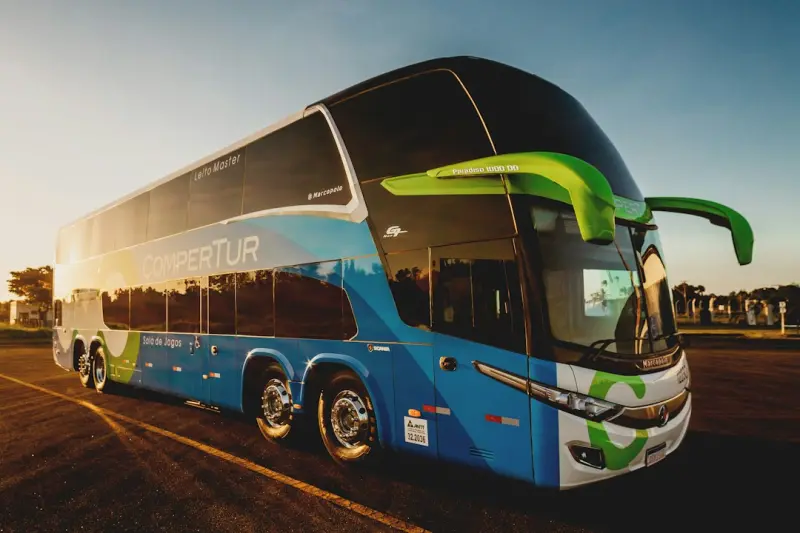
From Deck to Doorstep: How Niche Cruises Turn Travel Into Storytelling
When I first stepped aboard a boutique river cruiser that promised “a culinary mystery at every port,” I expected good food and scenic views. What I got instead was a living, breathing narrative that unfolded over seven days, each chapter written by the crew, the locals, and the strangers who became my dinner companions. That experience sparked a question that’s been buzzing in my mind ever since: What if every cruise or bus tour were less about ticking boxes and more about weaving personal stories into the fabric of the journey?
In the age of algorithm‑generated itineraries (AI‑Powered Itineraries), the temptation is to let data dictate every stop. While that tech has its merits, I’ve found that the most memorable trips are those that start with a single, human‑crafted idea and let the rest grow organically. Below, I’m sharing the patterns I’ve spotted in the most compelling niche cruises and themed bus tours, and how you can harness them for your next adventure.
The rise of themed bus tours: a mobile community clubhouse
Think back to the last time you boarded a bus that felt more like a pop‑up lounge than a commuter vehicle. Maybe it was a vintage 1950s diner tour across the Midwest, or a “Jazz & Jams” ride that stopped at historic music venues in New Orleans. These tours aren’t just about the destinations; they’re about the shared vibe that binds passengers together from the moment they step on board.
- Curated playlists that echo each stop. When the bus rolls into Memphis, you hear blues; in Austin, it’s indie folk. The music becomes a soundtrack for the scenery, and it sparks spontaneous sing‑alongs.
- Local experts as co‑pilots. Instead of a single tour guide, you get a rotating roster of storytellers—a chef in Charleston, a historian in Savannah—each adding a layer of authenticity.
- Interactive “stop‑over challenges.”strong> Passengers might be given a simple task—like a quick sketch of a landmark or a recipe card to recreate a regional dish—turning the journey into a collaborative workshop.
These elements create a sense of belonging that lingers long after the final stop. Passengers leave with more than souvenirs; they leave with the feeling that they were part of a living story.
The magic of niche cruises: beyond the traditional sea‑faring fantasy
When we talk about cruises, the mind often jumps to massive ships, endless buffets, and tropical sunshine. Niche cruises, however, are deliberately intimate, focusing on a singular theme that threads each day together. Imagine a literary cruise where each evening’s dinner is inspired by a different classic novel, or a marine‑conservation voyage that partners with researchers to let passengers participate in real‑time data collection.
What distinguishes these voyages is purposeful programming. The itinerary isn’t a list of ports; it’s a narrative arc. The first day might set the stage with a keynote from a subject‑matter expert, the middle days dive deep into immersive workshops, and the final night culminates in a celebratory showcase—be it a poetry slam, a sustainable‑cuisine tasting, or a citizen‑science presentation.
In my recent river cruise exploring the culinary secrets of the Danube, each port was paired with a local food historian who guided us through a tasting menu that mirrored the region’s historical trade routes. The experience was less about “eating in X city” and more about “understanding how centuries of commerce shaped the flavors on my plate.” That depth of storytelling is what turns a cruise from a vacation into a learning expedition.
Crafting a story‑first itinerary: the blueprint for unforgettable trips
Whether you’re a travel agency, a boutique cruise line, or an independent tour operator, the first step is to ask: What story do we want our travelers to tell when they get home? From there, you can build a framework that aligns activities, accommodations, and even onboard décor with that narrative.
- Identify the core theme. This could be “art deco architecture,” “sustainable agriculture,” or “the evolution of rail transport.” Keep it narrow enough to dive deep, but broad enough to sustain interest across multiple days.
- Map narrative milestones. Think of each stop as a chapter. What revelation or experience should happen at each point? Arrange them so tension builds—perhaps a hands‑on workshop followed by a reflective night on the deck.
- Weave in local voices. Partner with community leaders, artisans, or scholars who can act as guest narrators. Their authenticity anchors the story in reality.
- Design tactile takeaways. Provide travelers with physical mementos—a handwritten recipe, a custom map, a small piece of local art—that act as plot devices they can revisit later.
- Leave room for improvisation. No story is perfect on the first draft; allow moments for spontaneous discovery, whether it’s an unplanned street performance or a sudden weather change that alters a planned activity.
When the narrative is the guiding star, every logistical decision—cabin layout, meal planning, even the color of the bus seats—falls into place organically.
Community building on wheels: the social alchemy of shared travel
There’s something uniquely bonding about being confined to a bus or ship for hours on end. The shared environment accelerates conversations that might never happen on a weekend getaway where everyone retreats to separate hotel rooms. I’ve observed three social dynamics that turn a group of strangers into a micro‑community:
- Common rituals. A nightly “story circle” where each passenger shares a personal anecdote related to the day’s theme creates a rhythm that everyone anticipates.
- Collaborative projects. Whether it’s collectively creating a travel scrapbook or co‑authoring a travel blog post, working toward a shared output fosters teamwork.
- Safe spaces for vulnerability. Small, comfortable seating arrangements and guided reflection sessions allow travelers to open up about why the journey matters to them.
When these elements are woven into the itinerary, the result is a network of relationships that often extend beyond the voyage itself—think LinkedIn connections turned friendships, or a group chat that continues to exchange book recommendations months later.
Sustainable practices without the gimmick: lessons from the road and sea
Many travel operators jump straight to marketing “zero‑waste” or “carbon‑neutral” labels. While those goals are commendable, true sustainability is about integrating mindful practices into the core experience—not just adding a badge.
For bus tours, this can mean partnering with local farms for fresh, seasonal meals, using biodiesel or electric buses where routes allow, and encouraging passengers to bring reusable containers. On cruises, it might involve onboard workshops that teach guests how to reduce single‑use plastics, or even collaborating with marine scientists to monitor water quality—a practice I saw on a Gulf of Mexico expedition, where passengers helped log plankton counts as part of the evening program.
To illustrate how sustainability can be seamlessly integrated, consider the Zero‑Waste Cocktail Culture movement. A cruise line adopted a similar ethos, offering a “cocktail lab” where mixologists demonstrated how to craft drinks using locally sourced herbs and leftover fruit peels, turning waste into flavor. The guests loved it, and the ship reduced its waste stream by 30%.
Technology as an enabler, not a director
While I champion story‑first design, I also recognize that technology can amplify the experience without hijacking it. Mobile apps that push push‑notifications with historical trivia at each landmark, AR overlays that reveal hidden architecture, or simple QR codes linking to audio interviews with locals can deepen immersion.
However, the key is restraint. Over‑loading passengers with screens can dilute the sense of presence. My rule of thumb: use tech to surface the story, not to replace the storyteller. For instance, a bus tour might provide a lightweight tablet that offers optional deep‑dive content, allowing each traveler to choose their level of engagement.
Tips for choosing your next voyage: a quick decision‑making guide
If you’re ready to step onto a vessel or hop on a bus that promises more than sightseeing, keep these criteria in mind:
- Clarity of theme. Does the itinerary articulate a clear, compelling story?
- Local partnership depth. Are community experts actively involved, or is the experience curated from a distance?
- Interactive components. Look for hands‑on activities, not just passive lectures.
- Sustainability integration. Are eco‑friendly practices woven into daily routines?
- Social architecture. Does the program encourage group bonding through rituals or shared projects?
When a tour checks most of these boxes, you’re likely looking at a journey that will stay with you long after you disembark.
Conclusion: the future of travel is a shared story
As the travel landscape continues to evolve, I’m convinced that the most successful cruises and bus tours will be those that treat passengers not as consumers, but as co‑authors of a living narrative. By centering storytelling, fostering community, and embedding sustainable practices with authenticity, operators can create experiences that feel less like a product and more like a chapter in someone’s personal adventure diary.
If you’re an operator, ask yourself how you can shift from “what’s on the agenda?” to “what story are we creating together?” And if you’re a traveler, seek out voyages that promise a plot, not just a map. The seas and highways are full of untold tales—your next story may be just a ticket away.

Related Posts

Green Gateways: How Cruise Ports and Bus Terminals Are Blossoming into Community Gardens
Travel terminals are transforming into vibrant community gardens, offering fresh produce, educationa... Read More
Across the Horizon: Building Community on Cruises and Bus Tours
Explore how intentional design, shared culinary moments, tech personalization, and sustainable actio... Read More
Charting the Future of Mobile Learning on Cruise Ships and Bus Tours
Discover how to transform cruise and bus travel into dynamic, data‑driven learning experiences usi... Read More
Top Posts
Farmers Take the Driver’s Seat: Digital Cooperatives Changing Canadian Agriculture
Canadian farmers are banding together to build shared digital platforms that give them direct market access, better pricing, and data ownership, reshaping the a...Read More

When Algorithms Write Contracts: Navigating Legal Risks and Rewards
AI‑generated contracts promise speed and cost savings, but they also introduce hidden liability traps and enforceability questions. This post outlines how to ...Read More
Parental Warning: Navigating the Digital Minefield with Smarts and Heart
Learn how to safeguard your children from unseen digital dangers using clear contracts, chrono‑smart eating, functional foods, and empowered storytelling....Read More

Sustainable Prom & Graduation: Style, Savings, and Memories
Discover how to celebrate prom and graduation sustainably—budget-friendly fashion swaps, local food sourcing, reusable décor, and green transportation ideas ...Read More
0 Comments
Post Comment
You will need to Login or Register to comment on this post!