
Zero‑Waste Cocktail Culture: The New Frontier for Sustainable Sipping
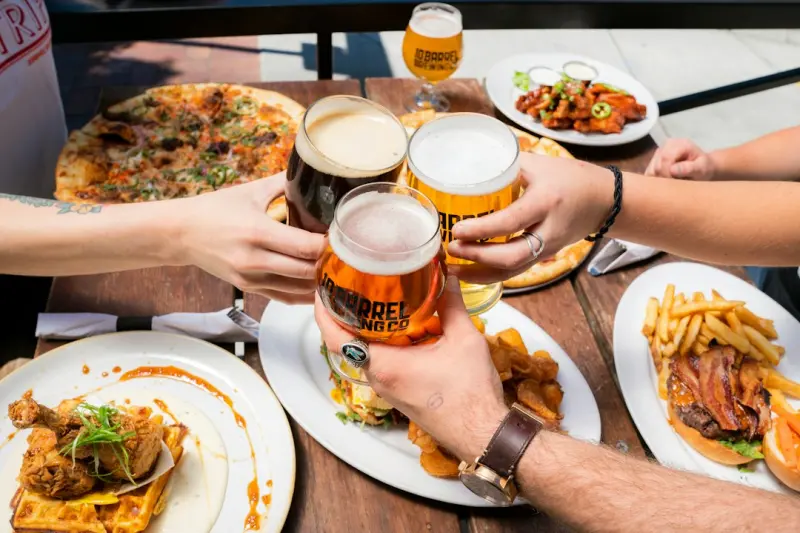
When I first walked into a downtown bar that proudly displayed a “Zero‑Waste” badge above the bar, I expected a gimmick—maybe a few recycled coasters and a token effort to compost citrus peels. What I discovered was a full‑blown movement that is reshaping how we think about the ritual of drinking. From upcycled spirits to refillable glassware, the zero‑waste cocktail scene is proving that sustainability and sophistication can coexist in every pour.
Why Zero‑Waste Matters in the World of Drinks
Alcoholic beverages have long been a hidden source of waste. According to industry reports, a single cocktail can generate up to four ounces of solid waste—think fruit skins, herb stems, spent coffee grounds, and single‑use garnishes—plus the carbon footprint of transporting exotic ingredients across continents. As consumers become more environmentally conscious, they’re demanding that bars and brands answer the question: “What happens to the leftovers?”
Zero‑waste cocktail culture answers that question by turning what was once discarded into a valuable component of the next drink. It’s a philosophy that goes beyond “reduce, reuse, recycle”; it embraces the idea of upcycling—giving waste a new, higher purpose.
The Core Pillars of a Zero‑Waste Bar
- Ingredient Efficiency: Using every part of a fruit, herb, or spice. For example, citrus zest becomes a fragrant garnish, while the pulp is turned into a syrup or infused spirit.
- Refillable & Reusable Glassware: Encouraging patrons to bring their own bottles or using durable, dishwasher‑safe glass that can be cycled indefinitely.
- Smart Inventory Management: Leveraging data to order just enough produce, reducing the likelihood of spoilage.
- Creative By‑product Utilization: Transforming spent coffee grounds into a smoky bitters, or using spent hops to craft a tangy shrub.
- Collaborative Community Initiatives: Partnering with local farms, breweries, and compost programs to close the loop.
These pillars aren’t theoretical—they’re being applied in bars across the globe, from tiny speakeasies in Toronto to rooftop lounges in Vancouver. The result? Menus that read like a sustainability manifesto, and drinks that taste better because they’re fresher and more intentional.
Upcycling Spirits: From Waste to Wonder
One of the most exciting innovations is the upcycling of base spirits. Distilleries are now collecting surplus or “off‑spec” batches—spirits that didn’t meet the exact flavor profile for a flagship product—and gifting them to mixologists. These spirits become the canvas for experimental cocktails, reducing waste at the source.
Take cask‑strength whisky that didn’t meet the age statement requirements. Rather than diluting it for a lower‑proof release, a bar might age it further in barrels previously used for wine, creating a unique flavor profile that would be impossible to replicate with fresh whisky. The same principle applies to gin: botanicals that were over‑extracted become the base for a “second‑run” gin, perfect for a garden‑fresh gin‑and‑tonic with a twist of reclaimed citrus.
Garnish Reinvention: From Trash to Treasure
Garnishes have traditionally been a source of unnecessary waste. A single cocktail can require a sprig of rosemary, a twist of lemon, and a few edible flowers—ingredients that often end up discarded after one use. Zero‑waste bars are challenging that norm by:
- Dry‑Aging Herbs: Harvesting rosemary stems and allowing them to dry, then rehydrating them in a simple syrup for a subtle, aromatic garnish.
- Dehydrated Fruit Wheels: Turning excess fruit slices into crisp, flavorful chips that can be stored for weeks and used as both garnish and palate cleanser.
- Edible “Scraps” Cocktails: Creating drinks where the garnish is the main flavor, such as a cucumber‑skin infusion served in a chilled cucumber cup.
These practices not only cut waste but also add layers of texture and aroma that elevate the drinking experience.
Data‑Driven Inventory: The Secret Sauce Behind Zero‑Waste
Imagine a bar that knows exactly how many lemons it will need for the next week, based on sales trends and seasonal demand. That’s not a fantasy; it’s a reality thanks to modern inventory software. By tracking usage patterns, bars can optimize their ordering, reducing the amount of produce that goes bad before it can be used.
These tools also help identify “hidden” waste. For instance, a bar might notice that a particular bitters recipe is only used in 10% of drinks but consumes a large quantity of fresh herbs. With that insight, the mixologist can either repurpose the bitters for a new cocktail line or adjust the recipe to use a lower‑volume herb, saving both money and resources.
Refillable Glassware: A Simple Yet Powerful Shift
Single‑use plastic cups and disposable cocktail stirrers are a glaring issue in the drinks industry. Zero‑waste establishments tackle this by offering:
- Reusable Metal Straws: Branded and dishwasher‑safe, they replace plastic alternatives.
- Glass Bottle Refills: Patrons can bring their own bottles to refill with house‑made syrups, bitters, or even a measured pour of their favorite spirit.
- Durable Ceramic Mugs: Ideal for hot cocktails like Irish coffee, these mugs can be washed and reused countless times.
These small changes have a cumulative impact. A bar serving 200 drinks a night can eliminate hundreds of plastic pieces per week, translating to a substantial reduction in landfill contributions.
Community Collaboration: The Power of Partnerships
Zero‑waste cocktail culture thrives on community. Bars often collaborate with local farms to receive “imperfect” produce that would otherwise be discarded. They also work with compost facilities to ensure that any organic waste that can’t be upcycled returns to the soil, completing the cycle.
One standout example is a partnership between a downtown bar and a nearby urban farm. The farm supplies the bar with wilted lettuce leaves and carrot tops, which the bar then transforms into a savory garnish for a vegetable‑forward martini. In return, the bar donates its spent coffee grounds to the farm, where they become a natural fertilizer.
Such collaborations echo the sentiment found in community‑driven referral loops in other industries: when businesses support each other, the entire ecosystem benefits.
Case Study: The “Green Bar” in Toronto
To illustrate the tangible benefits, let’s look at The Green Bar, a boutique cocktail lounge that launched a zero‑waste program two years ago. Their approach combined three core strategies:
- Ingredient Sourcing: They sourced “ugly” produce from local farms, paying 30% less than conventional suppliers.
- By‑Product Innovation: Spent citrus peels were turned into a house‑made orange‑infused vodka, while coffee grounds became a smoky bitters used in their signature “Midnight Roast” cocktail.
- Customer Engagement: Patrons were invited to bring their own glass jars for “syrup swaps,” earning a small discount on their next drink.
Results after one year were impressive:
- Food waste decreased by 45%.
- Ingredient costs dropped by 20%.
- Customer satisfaction scores rose by 12 points, with many praising the bar’s commitment to sustainability.
The Green Bar’s success story demonstrates that zero‑waste isn’t just a moral choice; it’s a smart business move that resonates with today’s eco‑savvy consumers.
Getting Started: Simple Steps for Home Mixologists
You don’t need a fancy bar to practice zero‑waste principles at home. Here are five easy actions you can take tonight:
- Save Your Citrus: After juicing, keep the peels in the freezer. Once you have a handful, make a quick peel‑infused vodka or gin.
- Make a Herb‑Infused Simple Syrup: Use stems and leaves that you’d normally discard—like mint or basil—to create aromatic syrups that add depth to any cocktail.
- Repurpose Coffee Grounds: Blend a teaspoon of used coffee grounds into a bitters recipe for a smoky, earthy flavor.
- Dry Fruit Slices: Slice excess fruit thinly, dry them in the oven, and store them as garnish chips for future drinks.
- Invest in Reusable Tools: Swap disposable stirrers for stainless‑steel or bamboo alternatives, and keep a set of reusable cocktail picks on hand.
These practices not only reduce waste but also open up a world of new flavor possibilities, turning your home bar into a mini laboratory of sustainable creativity.
Future Trends: What’s Next for Zero‑Waste Cocktails?
The momentum behind zero‑waste cocktail culture is only gaining steam. Here are three trends to watch:
- AI‑Driven Flavor Pairings: Just as algorithms are reshaping legal drafting, they’re also being used to predict which upcycled ingredients will complement each other, reducing trial‑and‑error waste.
- Closed‑Loop Bottle Systems: Some forward‑thinking breweries and distilleries are introducing deposit‑return schemes for their bottles, encouraging consumers to return and refill rather than purchase new containers.
- Edible Packaging: Imagine a cocktail served in an edible sugar shell or a gelatin “cup” that dissolves as you drink—an elegant way to eliminate the container entirely.
These innovations hint at a future where every sip is not only delicious but also a conscious act of stewardship.
Conclusion: Raising the Glass to a Greener Tomorrow
Zero‑waste cocktail culture isn’t just a fleeting trend; it’s a paradigm shift that aligns the pleasure of drinking with the responsibility of protecting our planet. By embracing upcycled ingredients, data‑driven inventory, reusable glassware, and community partnerships, bars and home mixologists alike can craft drinks that are as sustainable as they are sensational.
So the next time you raise a glass, ask yourself: “What story does this drink tell?” If you choose a zero‑waste cocktail, you’re not only savoring flavor—you’re celebrating a future where every drop counts.

Related Posts
The Buzz About Energy Drinks: Understanding the Risks for Teens
In recent years, the energy drink market has experienced a phenomenal surge, fueled by clever market... Read More
Fermenting the Future: How Home Kitchens Are Becoming Microbrew Labs
Discover the surge of home fermentation, where everyday kitchens become micro‑brew labs, offering ... Read More
Fermentation Nation: Wild Cultures Are Rewriting the Food & Drink Landscape
Fermented foods and drinks are surging in popularity, offering gut‑friendly benefits, bold flavors... Read More
Top Posts

How Canada’s Public Libraries Are Redefining the Nation’s Social Fabric
Public libraries across Canada are transforming from quiet bookrooms into vibrant community centers that foster innovation, civic participation, and environment...Read More

High-Tech Angling: How Modern Gadgets Are Transforming Ontario Fishing
From smartphone apps that identify species in seconds to drones that scout hidden reefs, explore how technology is redefining the Ontario fishing experience for...Read More
Beyond the Plate: How Hyper‑Local Food Hubs Are Redefining Community Dining
Hyper‑local food hubs compress the supply chain to a few blocks, creating fresher meals, greener footprints, and stronger community ties—all powered by smar...Read More

From Cost Center to Growth Engine: Reimagining IT Budgets in the Cloud Era
A fresh look at IT budgeting shows how to shift from cost avoidance to value creation, leverage subscription models, and negotiate smarter contracts to make tec...Read More
0 Comments
Post Comment
You will need to Login or Register to comment on this post!