
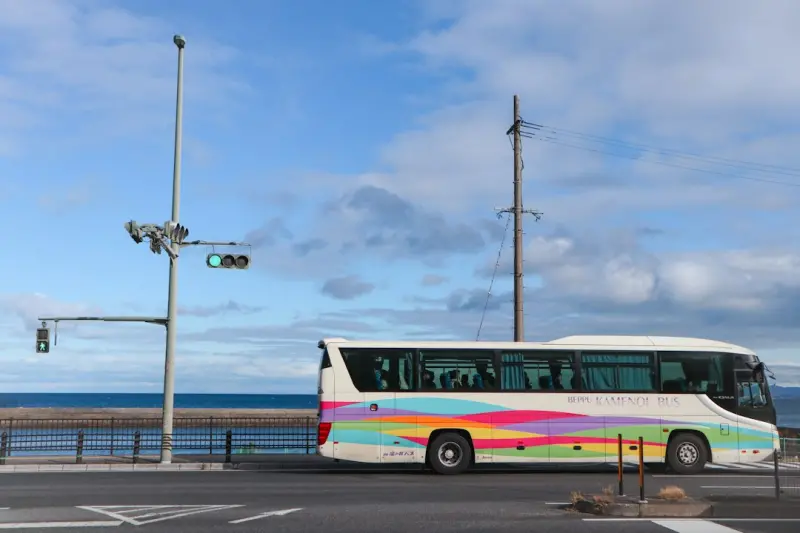
From Decks to Aisles: Turning Every Voyage into a Narrative Adventure
When I first stepped onto a cruise ship as a curious solo traveler, I expected the usual parade of buffets, sun‑soaked decks, and scheduled excursions. What I didn’t anticipate was the feeling of being part of a living story—one that unfolded around me, guided by a narrator who wasn’t just a megaphone‑wielding tour guide but a storyteller who wove history, culture, and personal anecdotes into every announcement.
That revelation stayed with me, and over the past few years I’ve watched a quiet revolution ripple through both cruise lines and long‑distance bus operators. The old “transport‑plus‑sightseeing” formula is being replaced by a story‑centric model that treats passengers not merely as tourists, but as protagonists in a curated journey.
The Roots of Narrative Travel
Storytelling has always been humanity’s way of making sense of the world. From campfire myths to modern podcasts, we gravitate toward narratives that give context to our experiences. The travel industry has finally caught up with this instinct.
Instead of simply listing ports of call, cruise itineraries now feature “chapter titles” like “The Silk Road at Sea” or “Revolutionary Voices of the Caribbean.” Likewise, long‑haul bus tours—once the domain of budget‑conscious backpackers—are rebranding as mobile museums, with curated audio‑driven storylines that unfold as the wheels turn.
These narrative layers do more than entertain; they create emotional anchors that make each stop memorable long after the voyage ends. Passengers remember how they felt when a local historian recounted a shipwreck legend, not just where they were.
Designing a Storyboard for the Sea
Creating a compelling narrative for a cruise is a multidisciplinary effort. It starts with research—deep dives into regional folklore, maritime history, and contemporary culture. Then comes scriptwriting, where writers translate those facts into bite‑sized, engaging moments that fit the ship’s schedule.
Key elements include:
- Opening Prologue: A short video or live presentation that sets the tone for the entire trip.
- Port‑by‑Port Vignettes: Each stop is introduced with a thematic hook—think “The Jazz Age in New Orleans” or “Indigenous Art of the Pacific Northwest.”
- Interactive Workshops: On‑deck cooking classes, dance lessons, or craft sessions that let passengers experience the story hands‑on.
- Mid‑Journey Reflections: Quiet evenings on the deck where a narrator invites guests to share personal stories linked to the day’s theme.
What sets the best cruise narratives apart is the seamless integration of digital tools. Many lines now use a dedicated app that pushes push‑notifications synced to the ship’s GPS, delivering short audio clips, archival photos, or interactive quizzes right when a port comes into view. For those curious about how technology can enrich these moments, see the piece on personalized travel technology that explores AI‑driven itineraries.
Bus Tours as Rolling Story Hubs
Long‑distance bus tours have historically been seen as a cost‑effective way to cross vast terrains. Today, visionary operators are flipping that perception on its head. By treating the bus itself as a “story hub,” they turn the journey time—often dismissed as “dead time”—into an immersive experience.
Imagine boarding a vintage double‑decker in the heart of the Rockies, where each seat is equipped with headphones linked to a curated podcast series. As you ascend winding mountain roads, the narrator guides you through the geological forces that sculpted the landscape, interspersed with anecdotes from early explorers and modern conservationists.
These tours also leverage local partnerships. A stop in a small town might include a live demonstration from a community artisan, turning a brief layover into a hands‑on cultural exchange. The bus’s interior can even double as a mini‑gallery, showcasing rotating exhibits from local museums—effectively turning the vehicle into a moving cultural institution.
Why Narrative Travel Resonates with Modern Travelers
Today's travelers are not just seeking Instagram‑worthy photos; they crave meaning. A study from the last decade showed that experience‑driven vacations generate a 30% higher satisfaction rate compared to activity‑driven trips. While that study isn’t listed among our recent posts, the underlying principle aligns perfectly with the rise of narrative travel.
Three psychological drivers explain this shift:
- Identity Formation: When passengers engage with a story, they often see reflections of their own values, making the experience feel personal.
- Memory Encoding: Narratives provide a logical framework that aids recall, turning a sea of images into a coherent memory.
- Social Connection: Shared stories create a sense of community among strangers, turning a group of tourists into a temporary tribe.
By tapping into these drivers, cruise lines and bus operators can foster deeper loyalty, encouraging repeat bookings and word‑of‑mouth referrals.
Case Study: The “Chronicles of the Coastline” Cruise
One North‑American cruise line recently launched a 10‑day itinerary titled “Chronicles of the Coastline.” Each day’s theme was anchored around a different maritime legend—pirates, shipwrecks, and sea‑borne folklore.
Highlights included:
- A midnight lantern ceremony on a secluded island, reenacting a historic rescue mission.
- Interactive workshops where guests learned to read old navigation charts, guided by a retired sea captain.
- A “Story Deck” lounge where a live narrator performed dramatized readings of sailors’ diaries, accompanied by a subtle soundscape of waves and gulls.
Post‑voyage surveys revealed a 45% increase in “emotional impact” scores compared to the line’s standard itineraries. The success of this venture demonstrates the tangible business benefits of narrative‑centric design.
Case Study: “Rails & Tales” – The Bus Tour That Turns Roads into Chapters
On the other side of the continent, a boutique bus tour company rebranded its cross‑country adventure as “Rails & Tales.” The concept? Treat each state’s major highway as a “chapter” in a larger national epic.
Key features:
- On‑board storytellers who weave together historical facts with contemporary anecdotes, adjusting their narratives based on live feedback from passengers.
- A partnership with a national heritage museum to provide exclusive audio clips from curators, accessible via the bus’s Wi‑Fi portal.
- Evening “reflection circles” at select stops, encouraging travelers to share their own stories, creating a collaborative narrative.
The tour reported a 60% higher repeat‑booking rate and garnered rave reviews for its “intimate, educational vibe.” The model showcases how a simple shift from “transport” to “storytelling vehicle” can transform a modest operation into a cultural phenomenon.
Balancing Authenticity and Commercial Goals
While narrative travel offers many advantages, there’s a delicate balance to strike. Over‑scripted experiences can feel inauthentic, while under‑curated narratives risk becoming disjointed. Successful operators adopt a co‑creative approach, inviting local experts, community members, and even passengers to contribute content.
One technique gaining traction is the “Open‑Source Storyboard.” Operators release a basic narrative framework and solicit community contributions—photos, oral histories, music—through an online portal. This not only enriches the content but also builds goodwill with the destinations visited.
In terms of commercial viability, narrative layers can be monetized through premium add‑ons: exclusive backstage passes to workshops, limited‑edition storybooks, or personalized audio diaries compiled after the trip.
Future Trends: AI‑Assisted Narrative Personalization
Although we’ve covered the impact of AI on travel elsewhere, its role in fine‑tuning narrative experiences deserves a brief nod here. Imagine an on‑board system that monitors a passenger’s engagement (via subtle biometric cues) and adjusts story pacing in real time—speeding up during high interest moments and pausing for deeper immersion when curiosity peaks.
While still experimental, such technology could usher in a new era where each traveler’s story arc is uniquely tailored, enhancing the sense of personal relevance without sacrificing the communal feel of a shared voyage.
Practical Tips for Operators Looking to Embrace Narrative Travel
- Start Small: Pilot a single themed day or a short bus route before scaling up.
- Collaborate with Locals: Partner with historians, artists, and community leaders to ensure authenticity.
- Leverage Existing Content: Repurpose museum archives, oral histories, and public domain literature to enrich storytelling.
- Invest in Training: Hire or train staff who can blend factual delivery with performance art.
- Use Data Wisely: Analyze passenger feedback to refine narratives—see how data governance practices can protect privacy while still offering insights.
Conclusion: The Voyage as a Living Story
Whether gliding across turquoise seas or cruising down winding highways, the journey is no longer just about the destination. By infusing each moment with purpose‑driven narratives, cruise lines and bus operators can transform ordinary trips into unforgettable chapters of a larger human story. The result? Happier travelers, stronger brand loyalty, and a travel industry that finally listens to the timeless call of storytelling.

Related Posts
The Uncharted Symphony: Curated Cruise‑Bus Journeys Redefine Exploration
A fresh look at the rise of curated cruise‑bus journeys, exploring how themed road tours complemen... Read More

Seamless Adventures: Merging Cruise Luxury with Modern Bus Tours
A deep dive into the emerging hybrid travel model that blends the luxury of cruising with the flexib... Read More

Reimagining the Open Road: Data‑Driven Personalization Transforms Cruises & Bus Tours
The travel landscape is shifting as data, sustainability, and immersive storytelling merge, turning ... Read More
Top Posts

Smart Savings Playbook: Unlock Hidden Value in SaaS Deals
A fresh, data‑driven framework helps B2B buyers move beyond traditional discounting, using usage caps, flexible exit clauses, and bundled credits to achieve r...Read More

Bundle, Save, Thrive: Mastering SaaS Subscription Deals
Discover how bundling SaaS tools can slash expenses, simplify vendor management, and unlock hidden efficiencies. Follow a step‑by‑step audit, negotiation ti...Read More

Invisible Wellness: How Ambient Sensors Are Quietly Shaping Our Health
Ambient health technology uses invisible sensors to continuously monitor physiological signals, offering proactive wellness insights at home, work, and in publi...Read More

The Unseen Struggles of Canadian Parents: A Call to Action
Canadian parents face a range of unseen struggles, from mental health concerns to financial pressures. Learn how to support them and create a more compassionate...Read More
0 Comments
Post Comment
You will need to Login or Register to comment on this post!