
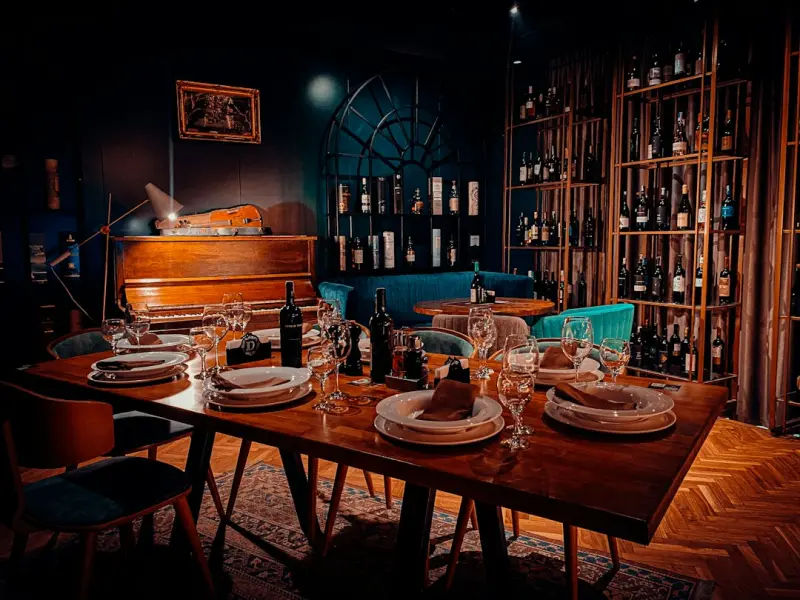
Why the Sensory Journey Is the New Currency in Dining
When I first walked into a restaurant that turned the act of eating into a full‑body experience, I realized that we were on the brink of a cultural shift. No longer is a tasty dish enough; diners now crave an immersive story that engages sight, sound, smell, and even touch. As a longtime food lover and frequent visitor to the ever‑evolving restaurant scene, I’ve seen how this appetite for multisensory moments is reshaping menus, interiors, and even the business models of eateries.
From Plate to Playground: The Elements of Immersive Dining
Creating a sensory feast isn’t about throwing gimmicks at guests. It’s a carefully choreographed dance between three core pillars:
- Atmosphere – lighting, soundscapes, and décor that set the emotional tone.
- Flavor Architecture – dishes that play with temperature, texture, and aroma in unexpected ways.
- Interactive Narrative – stories that let diners become part of the culinary adventure.
When these elements align, the result is a memorable experience that turns first‑time patrons into lifelong advocates.
Designing Spaces That Talk to the Senses
Restaurants are now partnering with architects, sound designers, and even aromatherapists to craft environments that feel alive. Think subtle forest scents wafting through a wood‑fire grill, or a low‑frequency hum that mimics a bustling marketplace. Such details might seem minor, but they anchor the diner’s emotional state, making the food taste even richer.
One trend gaining traction is the use of dynamic lighting that shifts throughout the evening, mirroring the progression of the menu. A dim, amber glow might accompany a starter of citrus‑bright oysters, while a cooler blue hue sets the stage for a chilled dessert. This seamless transition reinforces the story the chef wants to tell.
Flavor Architecture: More Than Just Tasting
Chefs are pushing the boundaries of what food can feel like. By playing with contrast—hot versus cold, crunchy versus silky—they create a tactile dialogue on the palate. Techniques such as flash‑freezing, edible foams, and sous‑vide textures let them deliver surprising sensations that linger long after the bite.
One compelling example is the rise of seaweed superpowers in fine‑dining kitchens. Not only does seaweed introduce umami depth, but its natural brine adds a subtle ocean breeze to the dish, heightening the overall sensory palette. By integrating sustainable ingredients with bold sensory intent, chefs can tell stories about place, climate, and culture—all on a single plate.
Interactive Narrative: Letting Diners Co‑Create
The most unforgettable meals are those that invite participation. Whether it’s a tabletop “scent bar” where guests can choose aromatic accents for their soup, or a QR‑code that unlocks a short film about the farm where the produce was harvested, interactivity transforms passive consumption into active storytelling.
Some establishments even employ table‑top projection to display visuals that sync with the course being served—waves crashing as a sea‑salt caramel arrives, or a sunrise timelapse as a morning‑inspired brunch is plated. This marriage of technology and gastronomy amplifies the narrative without overwhelming the food itself.
Technology as a Sensory Enabler, Not a Distraction
While the buzz around AI‑driven menus and robotic servers is undeniable, the true power of tech in the sensory realm lies in subtle augmentation. Ambient soundtracks curated to match flavor profiles, for instance, can deepen the perceived intensity of spices. A gentle rain sound may enhance the earthiness of a mushroom risotto, while an upbeat jazz rhythm can lift the palate of a vibrant citrus salad.
These tools should be used to support the chef’s vision, not replace the human touch. When done right, technology becomes invisible, allowing the senses to take center stage.
Case Study: The Zero‑Waste Pop‑Up That Redefined the Plate
In the heart of a bustling city, a pop‑up kitchen emerged that turned sustainability into a sensory adventure. By repurposing “scrap” ingredients into artful components, they created dishes that surprised diners with unexpected textures and flavors. The experience was documented in a piece about zero‑waste pop‑up kitchens, showcasing how ingenuity can turn constraints into compelling storytelling.
What set this venture apart was its emphasis on narrative: each plate was paired with a short, spoken‑word piece about the journey of the ingredient—from farm to table, and finally to a new culinary form. Guests left feeling not only satiated but also emotionally connected to the food’s lifecycle.
Measuring Success: The Metrics Behind Sensory Dining
Traditional metrics like table turnover and average check size still matter, but the rise of experiential dining demands new KPIs:
- Emotion Score – collected via post‑dining surveys that ask guests to rate feelings such as “delighted,” “surprised,” or “immersed.”
- Social Amplification Rate – the frequency with which diners share photos, videos, or stories on social platforms, often highlighting the unique sensory elements.
- Repeat Journey Index – tracks how many guests return for a different “chapter” of the restaurant’s evolving narrative.
By quantifying these experiential factors, restaurants can justify investments in design, technology, and staff training.
Training Staff to Be Sensory Ambassadors
Even the most beautifully designed space falls flat if the front‑of‑house team cannot articulate the story behind each course. Training programs now include modules on:
- Describing aroma notes in layman's terms.
- Guiding guests through texture transitions.
- Using storytelling techniques to convey the provenance of ingredients.
When servers become knowledgeable narrators, they bridge the gap between concept and consumption, turning a meal into a shared adventure.
Challenges and Pitfalls to Watch Out For
While the sensory approach offers huge upside, it also presents challenges:
- Over‑Stimulation – Too many sensory inputs can overwhelm diners, diluting the impact of the food.
- Cost Management – High‑tech installations and premium design elements can strain budgets if not carefully planned.
- Consistency – Maintaining a uniform sensory experience across multiple shifts requires rigorous standards and regular audits.
The key is to strike a balance: let each sense support the others, not compete.
Looking Ahead: The Future of Sensory Dining
As consumer expectations continue to evolve, the next wave may involve even deeper integration of biotechnology and flavor science. Imagine menus that adapt in real time to a diner’s biometric feedback—adjusting spice levels based on heart rate or altering plating textures in response to facial expressions captured by discreet sensors.
Such possibilities sound futuristic, but they echo the same principle driving today’s immersive experiences: personalization through sensory resonance. Restaurants that master this will not just serve food—they’ll craft moments that linger in memory long after the plates are cleared.
Action Steps for Restaurateurs Ready to Dive In
If you’re inspired to transform your venue into a sensory destination, start small and scale deliberately:
- Audit Your Current Experience – Walk through your space as a guest. Note where sight, sound, smell, and touch could be enhanced.
- Partner with Specialists – Collaborate with lighting designers, sound engineers, or fragrance consultants who understand the subtleties of ambience.
- Iterate Your Menu – Introduce one or two dishes that play with temperature, texture, or aroma in bold ways.
- Train Your Team – Equip servers with a concise narrative script that highlights the sensory intent of each course.
- Gather Feedback – Use post‑dining surveys to capture emotional responses and refine the experience.
By following this roadmap, you’ll position your restaurant at the forefront of a movement that values how we eat as much as what we eat.
Conclusion: The Power of a Well‑Crafted Sensory Journey
In an age where diners are bombarded with choices, the restaurant that can tell a story through all five senses will stand out. It’s not just about serving a delicious meal; it’s about creating an immersive chapter that guests want to revisit, share, and recommend. As we move forward, the kitchens that blend culinary artistry with sensory design will become the true storytellers of the food world.

Related Posts

Ghost Kitchens: The Secret Sauce for Modern Brands
Ghost kitchens have evolved from cost‑saving hacks into brand incubators, offering restaurants dat... Read More
When Dining Becomes a Narrative: Inside the Immersive Storytelling Restaurant Trend
Restaurants are turning meals into immersive narratives, using themed décor, soundscapes, and menu ... Read More
The Pop‑Up Kitchen Revolution: How Hyper‑Local Dining Is Redefining Restaurants
Discover the rise of hyper‑local pop‑up kitchens, where community spaces, sustainability, and se... Read More
Top Posts

Riding the Rails: Transforming Long-Haul Train Journeys into Immersive Travel Experiences
Explore the revival of night trains and learn how their scenic routes, community vibes, and eco‑friendly design turn ordinary commutes into immersive travel a...Read More

The Resurgence of Rural America - Growth and Opportunity
Rural America is experiencing a new era of growth and opportunity, driven by technological advancements, changing demographics, and innovative economic developm...Read More
Unplug to Recharge: Mastering the Digital Detox for Real Health Gains
A deep dive into the science of digital overload and a practical, data‑driven framework for a sustainable digital detox that improves sleep, reduces stress, a...Read More

Canada’s Political Renaissance: Citizen Assemblies, Indigenous Partnerships, and the Road to Reform
A deep dive into Canada’s democratic transformation, from citizen climate assemblies to Indigenous co‑management, digital privacy advances, and the push for...Read More
0 Comments
Post Comment
You will need to Login or Register to comment on this post!