

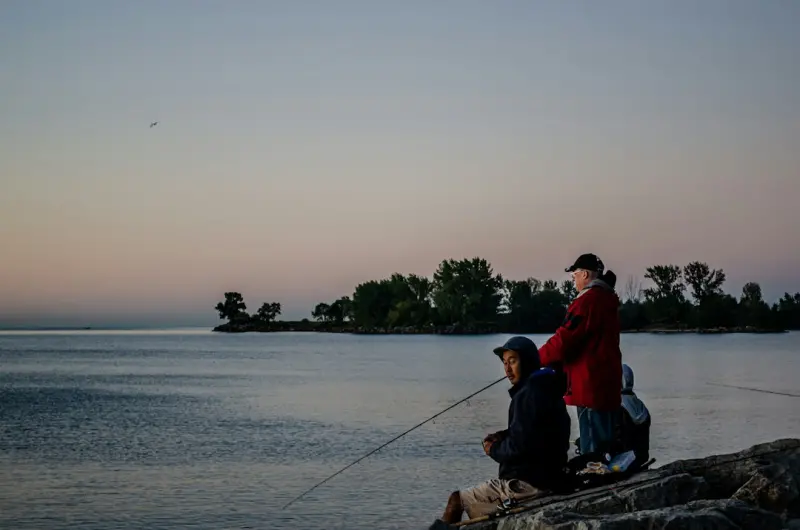
Ontario’s lakes and rivers have always been a playground for anglers, but in recent months a quiet culinary revolution has been rippling through the province. No longer are we content to simply reel in a trout and toss it back after a brief photo op; we’re staying on the dock, filleting on the boat, and bringing that fresh‑caught bounty straight into our kitchens. This shift from sport to sustenance is reshaping how we think about fishing, food, and the stories we tell around the dinner table.
Why the Kitchen Is the New Destination Post‑Catch
For generations, Ontario’s fishing culture revolved around the thrill of the chase, the camaraderie of the boat, and the occasional campfire feast. Today, a new generation of anglers—many of them millennials and Gen‑Z—are looking for deeper connections to the source of their meals. They’re asking, “What does this fish taste like when it’s truly fresh?” and “How can I honor the lake that gave me this gift?” This curiosity fuels a movement that blends outdoor adventure with culinary curiosity.
There are three forces driving this change:
- Flavor Authenticity – The taste of a fish that’s been on ice for less than an hour is dramatically different from the supermarket variety that’s traveled miles in a refrigerated truck.
- Health Awareness – Wild‑caught fish offers omega‑3s and micronutrients that are often diminished in farmed counterparts.
- Storytelling – Cooking a fish you caught yourself turns a meal into a narrative, a conversation starter that connects family and friends to the natural world.
Choosing the Right Catch for the Kitchen
Not every fish is created equal when it comes to home cooking. While a massive northern pike might be a trophy on the dock, its dense, strong‑flavored flesh can be intimidating for a home chef. Here’s a quick guide to the most kitchen‑friendly species found in Ontario’s waters:
- Lake Trout – Delicate, mildly sweet, and perfect for pan‑searing or smoking.
- Walleye – Firm yet flaky, it shines when battered and fried or baked with herbs.
- Smallmouth Bass – Slightly sweet, ideal for grilling whole or making fish tacos.
- Whitefish – Light and buttery, a classic choice for poaching or making chowders.
- Perch – Tiny but flavorful, great for quick pan‑fry or adding to salads.
When you’re out on the water, keep an eye on size limits and local regulations. Sustainable harvest ensures that the lakes we love stay vibrant for future generations.
From Dock to Cutting Board: The Filleting Process
Many anglers assume that a clean fillet requires a professional fishmonger, but with a little practice, the process can be as satisfying as the catch itself. Follow these steps to turn your fresh fish into a kitchen‑ready masterpiece:
- Prep Your Space – Lay a non‑slip mat on the deck, have a sharp fillet knife, and keep a bowl of cold water nearby.
- Scale (If Needed) – Run the knife or a fish scaler from the tail to the head, working against the grain of the scales.
- Make the Initial Cut – Starting just behind the gill cover, cut down to the backbone, staying as close to the spine as possible.
- Follow the Ribcage – Turn the knife and glide it along the rib cage, lifting the flesh away. Repeat on the other side.
- Remove the Skin – Grip the tail end, insert the knife at a slight angle, and gently slide it between skin and flesh.
- Rinse and Chill – Rinse the fillet in cold water, pat dry, and keep on ice until you’re ready to cook.
Practice makes perfect, and the more you fillet, the faster and cleaner the process becomes. Remember: a well‑handled fillet preserves the delicate texture that makes fresh Ontario fish so special.
Cooking Techniques That Highlight Freshness
Once you have a pristine fillet, the cooking method you choose can either amplify or mute its natural flavors. Below are three tried‑and‑true techniques that let the fish shine:
Pan‑Searing with Herbs
Heat a stainless steel pan until a drop of water sizzles. Add a splash of clarified butter or high‑smoke‑point oil, then lay the fillet skin‑side down. Press gently for 30 seconds to ensure crispness. Flip, add fresh thyme, rosemary, and a squeeze of lemon, and finish in a few minutes. The result is a caramelized crust that locks in moisture.
Simple Smoke on a Portable Smoker
For those who love a rustic flavor, a small portable smoker can be set up on the shore. Use hardwood chips like apple or cherry for a subtle sweetness. Smoke the fish at low heat (around 90 °C) for 45 minutes, and you’ll get a tender, fragrant fillet that tastes like a campfire story.
Steaming with Aromatics
Steaming preserves the fish’s natural sweetness and is a low‑fat method. Place the fillet on a bed of sliced ginger, scallions, and a splash of soy sauce in a bamboo steamer. Cover and steam for 8‑10 minutes, depending on thickness. The gentle heat produces a silky texture that’s perfect for pairing with rice or quinoa.
Seasonal Pairings: From Local Produce to Craft Beverages
Ontario’s culinary scene is as diverse as its waterways, and the best meals are those that marry the fish with seasonally available ingredients. Here’s a quick guide to pairing each species with local produce and drinks:
- Lake Trout + Summer Berries – A light glaze of blueberry reduction complements the trout’s sweet notes. Pair with a crisp Ontario Riesling.
- Walleye + Autumn Apples – Apple‑cider reduction and roasted root vegetables bring out the walleye’s earthiness. Serve with a malt‑forward craft ale.
- Smallmouth Bass + Spring Asparagus – A lemon‑butter sauce and grilled asparagus highlight the bass’s mild flavor. Pair with a local sparkling water infused with rosemary.
- Whitefish + Winter Squash – A creamy chowder with pumpkin and sage is comforting and hearty. Accompany with a light amber lager.
- Perch + Fresh Garden Herbs – Toss with parsley, dill, and a garlic‑olive oil drizzle. Serve alongside a chilled cucumber‑mint mocktail.
These pairings celebrate the terroir of Ontario, turning a simple fish dinner into a full‑blown culinary experience.
Preserving the Experience: From Photo to Plate
In the age of social media, many anglers document their catches with a quick snap before heading home. While those images are great for bragging rights, the real magic happens when you share a photo of the finished plate. A beautifully plated fish, accompanied by a short story of the catch, creates an authentic narrative that resonates with friends and followers alike.
Consider adding a short caption that answers three questions:
- Where was the fish caught?
- What made this catch special?
- How was it prepared?
Not only does this encourage responsible fishing practices, but it also educates your audience about local ecosystems and culinary possibilities.
Building a Community Around Food‑First Fishing
While the earlier Ontario fishing community's latest initiatives focused heavily on technology and conservation, there’s a growing sub‑culture that centers on the dinner table. Meet‑ups at local farmers’ markets, pop‑up cooking demos on lakefronts, and seasonal “catch‑and‑cook” challenges are springing up across the province. These events foster relationships between anglers, chefs, and food enthusiasts, creating a feedback loop that celebrates both the sport and the meal.
One standout example is the “Lake to Table” series in the Kawartha Lakes region, where participants spend a morning on the water and a afternoon in a community kitchen learning to prepare their catch under the guidance of a local chef. The series not only teaches technique but also highlights the importance of respecting seasonal windows and fish population health.
Integrating the Experience Into a Balanced Lifestyle
Fishing has long been praised for its mental health benefits—quiet moments on the water, the rhythmic casting, the anticipation of a bite. When you add cooking to the mix, you amplify those benefits by extending the meditative state into a creative outlet. The act of preparing a meal can be just as calming as the act of casting a line, especially when you’re working with something you’ve just harvested.
For those juggling remote work and family life, combining fishing trips with a cooking session can serve as a weekend reset. A day spent on the lake, followed by a family dinner featuring the fresh catch, reinforces a balanced Canadian lifestyle that values nature, health, and connection.
Tips for Getting Started
If you’re intrigued but unsure where to begin, follow these practical steps:
- Start Small – Choose a readily available species like perch or smallmouth bass, and practice basic pan‑searing.
- Invest in Essentials – A good fillet knife, a portable cutting board, and a basic set of spices will go a long way.
- Learn from Others – Attend local cooking workshops or watch online tutorials focused on freshwater fish.
- Respect Regulations – Always check the Ontario Ministry of Natural Resources for size limits and seasonal restrictions.
- Document the Journey – Keep a simple log of where you fished, what you caught, and how you prepared it. Over time, you’ll develop a personal cookbook of lake‑to‑plate recipes.
Looking Ahead: The Future of Ontario’s Culinary Fishing Culture
The convergence of outdoor recreation and home cooking is still in its early stages, but the momentum is undeniable. As more anglers discover the joy of turning their catch into a gourmet plate, we can expect a ripple effect:
- Increased Demand for Local Fish – Restaurants and specialty grocers may start sourcing directly from local anglers, creating new market opportunities.
- Educational Partnerships – Culinary schools could partner with fishing clubs to offer courses on sustainable filleting and preparation.
- Policy Support – Recognizing the economic and health benefits, provincial bodies might introduce incentives for fish‑first cooking initiatives.
Ultimately, this movement isn’t just about taste; it’s about reconnecting with the waterways that shape our province, honoring the ecosystems that provide, and celebrating the simple pleasure of turning a fresh catch into a memorable meal.
So the next time you hear the gentle splash of a line breaking the surface, imagine not just the thrill of the bite, but the aroma of a sizzling pan waiting on the shore. Ontario’s lakes have been feeding us for centuries—now it’s time to let them inspire our kitchens, too.

Related Posts
Mapping the Hidden Currents: Ontario Anglers Lead a Data Revolution
Ontario’s fishing community is using digital tools to turn everyday catch logs into a powerful, cr... Read More

Quiet Waters, Loud Impact: How Women Are Redefining Ontario’s Fishing Culture
From urban midnight pike pursuits to farm‑to‑lake culinary pop‑ups and youth mentorship progra... Read More

Reeling into Ontario: Seasonal Secrets Every Angler Should Know
Discover Ontario's year‑round fishing secrets, from spring walleye runs to hidden winter ice holes... Read More
Top Posts

Parental Warning: The Silent Threat of Algorithmic Playlists in Kids’ Screens
A deep dive into how algorithmic playlists, zero‑party data, and AI health dashboards influence kids’ screens, offering practical steps for parents to regai...Read More

Why Canada’s Comedy Clubs Are the New Cultural Powerhouses
From pandemic silence to bustling stages, Canada’s comedy clubs are reinventing themselves—mixing live laughs with digital tools, spotlighting regional tale...Read More

AI‑Powered Contract Review: Risks, Rewards, and the Road Ahead
A deep dive into AI‑powered contract review, uncovering hidden risks, ethical duties, and practical steps for law firms to safely integrate this transformativ...Read More

How Community Tool Libraries Are Transforming Canadian Home Life
Explore the rise of community tool libraries in Canada—how borrowing, not owning, can save money, reduce waste, and build stronger, more sustainable neighborh...Read More
0 Comments
Post Comment
You will need to Login or Register to comment on this post!