
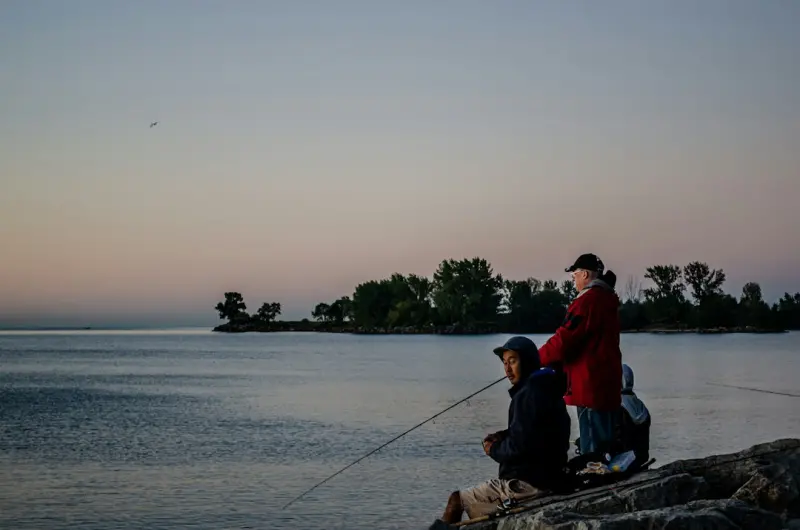
Why Ontario’s Fishing Community Is Turning Data Into a Lifeline
There’s a buzz on the lakeside that feels a lot like the hum of a well‑tuned engine: anglers are swapping stories not just about the biggest pike they landed, but about the coordinates, water temperature, and even the time of sunrise when they made the strike. In the past decade, the humble fishing log has morphed into a collaborative, digital map that’s reshaping how we protect and enjoy Ontario’s waterways. This isn’t about gadgets for the sake of gadgets; it’s a grassroots movement that blends old‑school intuition with modern data science, and the ripple effects are already being felt from the Great Lakes down to the secluded tributaries of the Algonquin region.
The Gap Between Tradition and Technology
For generations, Ontario anglers have relied on word‑of‑mouth tips, handwritten notebooks, and that “feel” you get after a few hours on the water. Those methods have served us well, but they also leave huge blind spots: how many fish are truly thriving in a given lake? Which invasive species are slipping through unnoticed? And perhaps most critically, how can we rally a province’s worth of hobbyists into a single, actionable conservation force?
Enter community‑driven fishery mapping. By leveraging open‑source platforms, smartphone apps, and simple crowdsourced data entry, anglers are building a living, breathing picture of the province’s aquatic health. The result is a dynamic atlas that informs everything from local policy decisions to the next weekend’s bait choice.
Tools of the Trade: From Smartphones to Satellite Sensors
When I first tried a new mapping app on a crisp morning out on Lake Simcoe, I was surprised by how intuitive the process was. A few taps let me log:
- Species caught – with dropdowns for common Ontario fish and the option to add rare sightings.
- Water conditions – temperature, clarity, and even wind speed, pulled automatically from nearby weather stations.
- Location precision – GPS coordinates accurate to within a few meters, thanks to modern smartphone chips.
- Catch effort – how long you fished, what gear you used, and the depth you were targeting.
Beyond the phone, some groups are experimenting with low‑cost hydro‑sonar kits that upload depth profiles to the same cloud database. Others partner with university labs to integrate satellite‑derived chlorophyll maps, giving anglers a macro view of algal blooms that could affect fish behavior.
Turning Raw Numbers Into Conservation Action
The magic happens once the data starts to accumulate. A robust backend aggregates thousands of entries, flags anomalies, and visualizes trends on an interactive dashboard. Here’s where the digital resilience of Canada’s tech ecosystem shines: the same cloud infrastructure that safeguards financial services can also protect ecological datasets from corruption or loss.
When a sudden spike in northern pike catches appears in a previously quiet stretch of the Thames River, the system can alert local fisheries officers. Conversely, a decline in walleye numbers over several months triggers a deeper investigation into habitat degradation or over‑harvest. By turning anecdotal observations into statistically significant signals, the community becomes a frontline monitoring agency.
Real‑World Success Stories Across the Province
Let’s take a look at a few case studies that illustrate the power of this approach:
- Lake St. Clair’s Invasive Crayfish Alert – In the spring, a handful of anglers logged sightings of the dreaded rusty crayfish. Within days, the collective map highlighted a hot‑spot, prompting the Ministry of Natural Resources to dispatch containment crews. The early response prevented a full‑scale infestation that could have devastated native fish populations.
- Algonquin’s Seasonal Salmon Run – By correlating water temperature data with catch logs, researchers identified a subtle shift in the timing of the Atlantic salmon run. This insight allowed local outfitters to adjust their guide schedules, boosting both tourism revenue and the odds of sustainable catches.
- Georgian Bay’s “Secret Spot” Revival – A cluster of GPS points shared by a group of youth anglers revealed a previously overlooked inlet teeming with smallmouth bass. The community rallied to clean up litter and install a modest fish habitat structure, turning a hidden gem into a thriving micro‑ecosystem.
Food for Thought: From Catch to Table
Beyond conservation, the data can also inspire culinary creativity. When you know exactly which species are abundant in a region, you can experiment with recipes that celebrate local bounty while respecting sustainability thresholds. In fact, the food pairing science community has started a sub‑forum where anglers swap cooking tips that pair specific fish with regional herbs, grains, and even craft beers brewed in nearby towns.
Imagine a summer evening by the shore, grilling freshly caught lake trout, seasoned with wild rosemary harvested from the same watershed. It’s a full‑circle experience that honors the water, the land, and the people who tend both.
The Future: Integrating AI, Citizen Science, and Indigenous Knowledge
What’s next for Ontario’s fishing data revolution? The next wave will likely involve three pillars:
- Artificial Intelligence – Machine‑learning models can predict fish movement patterns based on historic catch logs, weather forecasts, and even moon phases. These predictions could help anglers plan more successful trips while reducing unnecessary pressure on stressed populations.
- Citizen Science Partnerships – Schools, community groups, and local NGOs can embed data collection into their programs, turning a weekend outing into a valuable research contribution.
- Indigenous Collaboration – First Nations have stewarded these waters for millennia. By weaving traditional ecological knowledge with modern datasets, we can create richer, more nuanced conservation strategies that honor both science and heritage.
Getting Started: A Simple Blueprint for Any Angler
If you’re curious about joining the movement, here’s a quick roadmap:
- Choose a Platform – Many free apps exist (e.g., FishTrack, iAngler). Pick one that syncs with an open database.
- Log Consistently – Even a quick entry after a short outing adds value. Include species, size, effort, and environmental notes.
- Share Your Data – Opt‑in to community feeds. The more eyes on the map, the stronger the insights.
- Engage Locally – Attend town‑hall meetings or join a local fishing club that’s already using the data. Your on‑the‑ground perspective can help translate numbers into action.
- Give Back – If you discover a problem (e.g., a polluted inlet), report it through the same platform. Many regions have built-in alert systems that route your observation to the right authority.
It’s a low‑effort, high‑impact habit that turns a personal hobby into a public good.
Closing Thoughts: The Power of a Shared Narrative
Ontario’s lakes and rivers have always been a source of story‑telling—tales of the “one that got away,” legendary battles with monster muskies, and sunrise breakfasts on quiet coves. Today, those stories are being codified, visualized, and amplified through collective data. By embracing this shared narrative, we’re not only safeguarding fish populations for future generations but also deepening the bond between humans and the water that sustains us.
So the next time you cast your line, think of the ripple you’re creating beyond the surface. Each entry you make on a digital map is a vote for healthier ecosystems, smarter policy, and richer experiences for anyone who loves to fish in Ontario. Together, we’re charting a course that honors tradition while navigating the future.

Related Posts

Casting Calm: Ontario Anglers Turn Fishing Into Mindful Therapy
Ontario anglers are redefining the pastime, using fishing as a mindful practice to boost mental heal... Read More
Why Ontario’s Small‑Town Rivers Are the Next Big Catch for Urban Anglers
Ontario’s lesser‑known rivers are becoming hot spots for anglers seeking community, sustainabili... Read More

Chasing the Midnight Bite: Ontario’s Hidden Night Fishing Gems
Discover Ontario’s hidden lakes perfect for night fishing, from essential gear to sustainable prac... Read More
Top Posts

If AI Becomes Your Lawyer: Navigating the New Frontier of Automated Legal Counsel
Artificial intelligence is transforming legal work, from contract drafting to litigation support. This article examines regulatory hurdles, risk management, and...Read More

When Algorithms Argue: The Rise of AI in the Courtroom
AI is rapidly entering courtrooms, offering predictive insights but raising due‑process, transparency, and bias challenges. This post unpacks the legal, ethic...Read More

Rethinking the Cost of Living in a Remote‑First World
Remote work reshapes traditional cost‑of‑living calculations. This guide uncovers hidden expenses, offers a dashboard for tracking, and provides practical t...Read More
Pop‑Up Cultural Immersions: The Next Wave of Travel Experience
Pop‑up cultural immersions turn fleeting, community‑crafted events into powerful travel experiences, blending authenticity, sustainability, and technology f...Read More
0 Comments
Post Comment
You will need to Login or Register to comment on this post!