
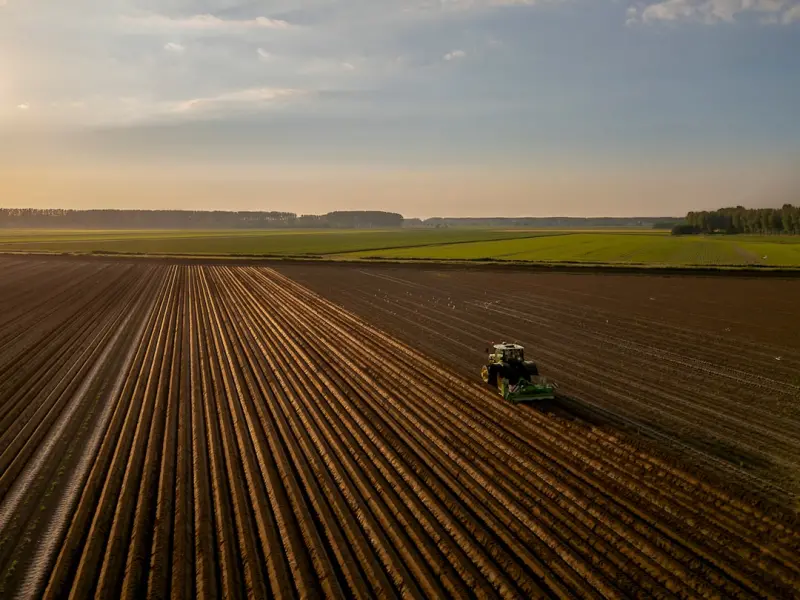
Canadian agriculture is at a crossroads. Decades of tradition have given us some of the world’s most resilient grain belts, dairy farms, and fruit orchards, but the pressures of climate change, shifting consumer expectations, and volatile global markets demand a new playbook. What if the same data‑driven mindset reshaping SaaS and digital health could be the catalyst that turns our fields into living laboratories of sustainability and profitability?
Why Data Is No Longer a Luxury for Farmers
For years, the stereotype of the lone farmer staring out over endless rows was romantic, yet it hid a harsh reality: decision‑making was often based on experience, intuition, and weather forecasts that were, at best, a week old. Today, satellite imagery, IoT sensors, and machine‑learning models deliver hyper‑local insights in seconds. A small‑scale grain grower in Saskatchewan can now know the exact moisture content of each hectare, predict pest pressure before the first larvae appear, and adjust fertilizer applications to the gram.
These capabilities aren’t just tech for tech’s sake. They translate directly into measurable outcomes: higher yields, lower input costs, and a reduced environmental footprint. When you can apply nitrogen only where the soil truly needs it, you cut greenhouse‑gas emissions and avoid the costly penalties associated with over‑application. When you can anticipate a fungal outbreak days before it spreads, you protect both the crop and the market price.
From Soil Sensors to Drone‑Delivered Prescriptions
The backbone of this transformation is a network of inexpensive, rugged sensors buried in the soil or perched on farm equipment. They monitor temperature, electrical conductivity, pH, and even the presence of specific nutrients. The data streams into cloud platforms where algorithms—some borrowing techniques from conversational AI research—turn raw numbers into plain‑English recommendations.
Imagine a farmer receiving a push notification on their phone: “Your north‑west field shows 12% lower nitrogen than optimal. Apply 15 kg/ha of urea tonight.” The suggestion is backed by real‑time sensor data, historical yield maps, and weather forecasts. No need to call a agronomist, no guesswork, just actionable insight.
Drone technology complements ground sensors by delivering visual NDVI (Normalized Difference Vegetation Index) maps that highlight stress zones invisible to the naked eye. When combined, aerial imagery and subsurface data create a 3‑D health profile of the entire farm, enabling precise interventions that were once only possible on research plots.
Climate‑Smart Practices Powered by Technology
Canada’s climate is becoming increasingly unpredictable. Warmer springs bring early pests; erratic rainfall patterns lead to both drought and flood conditions within the same season. Technology equips farmers with the agility to adapt.
- Variable Rate Seeding adjusts seed density based on soil fertility maps, ensuring each plant has the space and nutrients it needs to thrive.
- Smart Irrigation links moisture sensors to automated valve systems, delivering water only when and where it’s required, dramatically cutting water use.
- Carbon‑Friendly Cover Crops are selected using predictive models that forecast which species will best protect the soil under upcoming weather scenarios.
These practices are not isolated experiments; they are increasingly being bundled into government incentive programs that reward measurable reductions in carbon emissions. The data trail left by sensors becomes proof of compliance, allowing farmers to claim carbon credits that can be sold on emerging marketplaces.
The Business Angle: Turning Data Into Dollars
Beyond the agronomic benefits, the data revolution opens new revenue streams. Carbon credit platforms require verifiable, repeatable data to certify that a farm has sequestered a specific amount of CO₂. Sensors provide that verification, turning stewardship into a marketable commodity.
Another emerging model is “data leasing.” Large agribusinesses and research institutions are willing to pay for anonymized, aggregated datasets that reveal regional trends. Farmers can monetize this information while retaining control over privacy. It’s a modest but growing side‑income that can offset the cost of technology adoption.
Furthermore, the rise of farm‑focused SaaS solutions means that subscription models—similar to those that have reshaped enterprise software—are now available for field management, pest forecasting, and market price analytics. These tools often come with tiered pricing, allowing a small family farm to start with a basic package and scale up as their comfort with data grows.
Policy, Data, and the Grassroots Momentum
While technology provides the tools, policy determines how quickly they can be adopted at scale. In recent months, a groundswell of farmer‑led data collection initiatives has caught the eye of regulators, leading to a national conversation about open data standards and privacy safeguards. A great illustration of this dialogue can be found in the recent analysis titled National Pulse: How Grassroots Data is Redefining Policy. The piece highlights how farmer cooperatives are partnering with universities to create transparent, community‑owned data repositories that inform both provincial policy and federal climate targets.
These collaborations are crucial because they address two longstanding barriers: trust and accessibility. When data ownership stays with the farming community, the risk of exploitation diminishes. When the data is standardized and openly available, innovators can build better tools faster, accelerating the cycle of improvement.
Bridging the Connectivity Gap
One obstacle that still looms large is rural broadband. High‑resolution sensor data and real‑time analytics demand reliable internet connections, yet many remote farms still rely on satellite links with limited bandwidth. Governments and private telecoms are beginning to respond with targeted fiber‑to‑the‑farm initiatives, but the rollout is uneven.
In the meantime, edge‑computing solutions are emerging. By processing data locally on the farm’s gateway device, only the most critical insights need to be transmitted, reducing bandwidth requirements dramatically. This hybrid approach allows farms to reap the benefits of AI and analytics without waiting for perfect connectivity.
Skill Development: From Tractor to Tablet
Adopting technology also means upskilling the workforce. The average farmer today must be comfortable with data dashboards, basic coding concepts, and even the ethics of data sharing. Extension services, agricultural colleges, and industry groups are responding with short‑course certifications and hands‑on workshops.
Mentorship programs that pair tech‑savvy younger growers with seasoned veterans are proving especially effective. The exchange of digital fluency for deep agronomic knowledge creates a hybrid skill set that is more valuable than either alone.
Future Outlook: Collaborative Ecosystems
What’s on the horizon? Integrated platforms that bring together sensor data, market forecasts, and carbon accounting into a single, user‑friendly interface. Imagine logging into a dashboard that shows you:
- Current field health scores.
- Projected yields based on weather patterns.
- Optimal planting dates for the next season.
- Potential carbon credit revenue from your upcoming cover‑crop plan.
- Real‑time commodity price alerts to inform when to sell.
Such ecosystems will be powered by partnerships across the agricultural value chain: equipment manufacturers, data scientists, insurers, and policy makers. The common thread is a shared data layer that respects farmer ownership while unlocking collective value.
Conclusion: A Data‑Driven Harvest for All
The Canadian farm landscape is poised to become a showcase of how data and technology can enhance tradition rather than replace it. By embracing real‑time sensors, AI‑driven insights, and collaborative data policies, farmers can boost productivity, safeguard the environment, and tap into new revenue streams—all while maintaining the stewardship values that have defined Canadian agriculture for generations.
The journey won’t be without challenges—connectivity, skill gaps, and policy alignment must be addressed—but the momentum is undeniable. The fields of the Prairies, the orchards of British Columbia, and the dairy farms of the Maritimes are already sending signals that the future of farming is not just sustainable; it’s intelligently sustainable.

Related Posts

Bridging Ancient Roots and Digital Tools: Canadian Farmers Chart a New Future
Canadian farmers are merging centuries‑old Indigenous practices with modern sensor technology and ... Read More

Data‑Driven Farming: How Canadian Growers Are Turning Sensors Into Savings
Canadian farmers are blending tradition with technology, using soil sensors, satellite imagery, and ... Read More
Harvesting the Future: How Canadian Farm Cooperatives Are Redefining Agriculture
Canadian farmers are banding together in cooperatives, leveraging cutting‑edge tech and clean ener... Read More
Top Posts

When Tariffs Meet SaaS: Leveraging Trade Policy for Growth
Tariffs are no longer a back‑office concern for SaaS firms. This article reveals how to turn new digital taxes and data‑localisation rules into pricing adva...Read More

Renewable Energy: Powering the Future of Canadian Family Farms
Canadian farmers are turning to solar panels, wind turbines, and biogas to cut energy costs, generate new revenue, and build resilient rural economies, reshapin...Read More

Beyond the Tassel: Reinventing Prom and Graduation for the Digital Age
A deep dive into the emerging trends—live‑streaming, VR venues, eco‑friendly gowns, data‑driven planning, and community partnerships—that are moderniz...Read More

Charting New Horizons: Curiosity‑Driven Cruise and Bus Adventures
Explore a fresh approach to travel that intertwines sensory storytelling, local community connections, and thoughtful technology, turning ordinary cruises and b...Read More
0 Comments
Post Comment
You will need to Login or Register to comment on this post!