
Why Renewable Energy Is the Next Frontier for Canadian Agriculture
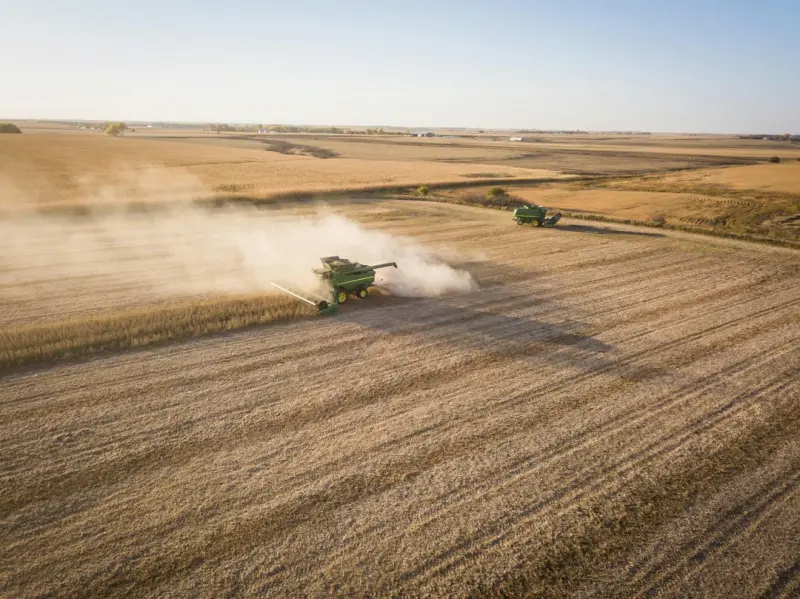
When I first stepped onto my family’s wheat field in Saskatchewan, the horizon was dominated by endless rows of golden stalks and the occasional grain silo. Today, that same horizon is dotted with sleek solar panels, modest wind turbines, and the faint hum of biogas digesters. The transformation isn’t just a visual one—it's a shift in the economic DNA of Canadian farming. While we’ve always been stewards of the land, we’re now also becoming stewards of clean power.
From Sun‑Soaked Fields to Solar Farms: The Practical Benefits
Canada’s agricultural belt receives ample sunlight, especially in the Prairies, where the average solar irradiance rivals that of many European countries that have already embraced utility‑scale solar. For farmers, installing photovoltaic (PV) arrays on marginal or unused portions of their property offers three immediate advantages:
- Diversified Income Streams: Solar leases typically pay between $15 and $30 per megawatt‑hour, a steady cash flow that can buffer against volatile grain prices.
- Reduced Energy Costs: On‑site generation cuts electricity bills for irrigation pumps, grain dryers, and processing equipment, sometimes by as much as 70 %.
- Grid Resilience: During extreme weather events, a farm’s own solar capacity can keep essential systems online, protecting crops and livestock.
In practice, a 2‑megawatt solar installation on a 400‑acre farm can generate enough electricity to power a small town while providing the farmer with an additional $150,000 in annual lease revenue.
Wind Power: Harnessing the Canadian Breeze
While the Prairies are renowned for their wind, the Atlantic provinces have seen a surge in community‑scale wind projects. For farmers, partnering with wind developers can turn a 10‑meter‑high turbine into a reliable source of revenue. The key is selecting sites with consistent wind speeds above 6 m/s and minimal turbulence.
Wind farms also complement solar installations. Solar peaks in summer, while wind tends to be strongest in the shoulder seasons and winter. By combining both, farms can achieve a more balanced renewable portfolio that smooths out seasonal variability.
Biogas: Turning Manure into Power
Animal agriculture produces a significant amount of methane—a potent greenhouse gas. Instead of letting it escape into the atmosphere, many dairy and hog operations are installing anaerobic digesters. These systems break down organic waste to produce biogas, which can be used on‑site for heat and electricity or upgraded to renewable natural gas (RNG) for injection into the provincial gas grid.
Beyond the environmental payoff, biogas projects can qualify for federal and provincial incentives, such as the carbon farming initiatives that reward reductions in greenhouse‑gas emissions. The synergy between carbon credits and RNG sales often results in a combined return on investment of 15‑20 % over ten years.
Financial Tools and Partnerships Making It Possible
Transitioning to renewable energy used to be a capital‑intensive gamble. Today, a suite of financial mechanisms lowers the barrier:
- Power Purchase Agreements (PPAs): Third‑party developers install and maintain the equipment, while the farmer agrees to purchase the electricity at a predetermined rate, often below market price.
- Government Grants and Tax Credits: Programs such as the Canada‑Wide Energy Efficiency Fund and provincial Green Fund provide up to 30 % of project costs.
- Collaborative Buying Clubs: Farmers can pool resources to negotiate bulk discounts on solar inverters, wind turbine components, and digesters. A recent collaborative buying clubs case study showed a 12 % cost reduction for a group of 15 farms purchasing identical PV modules.
Regulatory Landscape: Navigating Permits and Incentives
One of the biggest hurdles remains the patchwork of provincial regulations. While Alberta and Saskatchewan have streamlined permitting for agricultural renewable projects, Ontario and Quebec maintain stricter siting rules. Farmers must:
- Conduct a thorough environmental impact assessment (EIA) to address wildlife corridors and heritage sites.
- Secure a land‑use amendment if the project exceeds the agricultural zone’s allowable height or footprint.
- Engage with local utility companies early to confirm interconnection capacity.
Staying ahead of the regulatory curve can be facilitated by partnering with consultants who specialize in agrarian renewable projects. Many of these firms offer “one‑stop‑shop” services that bundle EIA, permitting, and financing into a single package.
Case Study: A Multi‑Energy Farm in Manitoba
Consider the story of a third‑generation wheat farmer near Brandon, Manitoba. Faced with declining wheat margins, he opted for a hybrid renewable system:
- 500 kW of solar PV installed on 15 acres of marginal cropland.
- Two 250‑kW wind turbines sited on the farm’s western edge.
- An 800 kW anaerobic digester processing cattle manure, producing 2.5 MW of thermal energy.
Within three years, the farm’s annual energy expenses fell by 68 %, and lease payments from the solar developer added $85,000 to the bottom line. Moreover, the farmer earned $40,000 in carbon credits through the national carbon farming framework, effectively turning sustainability into profitability.
Beyond Profit: Community and Environmental Impact
Renewable projects on farms do more than boost the farmer’s balance sheet. They create ripple effects across rural communities:
- Job Creation: Construction, maintenance, and operations generate skilled labor opportunities, often in areas where employment is scarce.
- Energy Access: Remote farms can become micro‑grids, providing reliable electricity to neighboring residences and small businesses.
- Climate Leadership: By reducing methane emissions and sequestering carbon, agricultural renewable projects help Canada meet its net‑zero commitments.
Technology Integration: Smart Management Systems
Modern renewable installations are no longer “set‑and‑forget.” Farmers can now monitor production in real time via cloud‑based dashboards that integrate with existing farm management software. Features include:
- Predictive maintenance alerts for turbines and inverters.
- Weather‑adjusted output forecasting to optimize irrigation schedules.
- Automated reporting for carbon credit verification.
These platforms also facilitate participation in demand‑response programs, where excess generation can be sold back to the grid during peak load periods, further enhancing revenue.
Future Outlook: The Role of Policy and Innovation
Looking ahead, several trends will shape the intersection of farming and renewable energy:
- Hybrid Energy Communities: Rural municipalities may adopt “energy cooperatives,” allowing multiple farms to share generation assets and collectively own the produced electricity.
- Advanced Biogas Upgrading: Emerging catalysts could increase RNG purity, opening export markets to the United States and Europe.
- Solar‑Enhanced Greenhouses: Integrating transparent PV panels into greenhouse structures can offset heating costs while extending growing seasons.
Policymakers must continue to streamline permitting, expand grant programs, and create clear market signals for renewable energy credits. When the regulatory environment aligns with farmers’ on‑the‑ground realities, the sector can accelerate its contribution to Canada’s clean‑energy goals.
Action Steps for Farmers Ready to Dive In
If you’re a farmer contemplating renewable energy, here’s a pragmatic roadmap:
- Assess Your Resources: Map out available land, wind speed data, and organic waste streams.
- Run a Financial Model: Include capital costs, incentives, projected lease payments, and potential carbon credit revenue.
- Engage Stakeholders Early: Talk to neighbours, local utilities, and municipal officials to gauge support and identify potential roadblocks.
- Explore Partnerships: Join a collaborative buying club or partner with a renewable developer.
- Start Small: Pilot a 50‑kW solar array or a single wind turbine to gather performance data before scaling.
Remember, the transition to renewable energy is as much a cultural shift as it is a technical one. By positioning our farms as clean‑energy hubs, we secure economic resilience, protect the environment, and lay the groundwork for a thriving, low‑carbon rural Canada.

Related Posts
Beyond the Fields: A Farmer’s Journey to Resilience and Innovation
From soil health to AI tools, Canadian growers are redefining farming by embracing regenerative meth... Read More
Harnessing Data: How Canadian Farmers Are Turning Numbers into Bounty
A deep dive into how data and digital tools are reshaping Canadian agriculture, from precision soil ... Read More
From Fields to Festivals: Canadian Farmers Embrace Agri‑Tourism
Canadian farms are opening their gates to visitors, turning fields into festivals and creating new r... Read More
Top Posts
Harvesting the Future: How Canadian Farm Cooperatives Are Redefining Agriculture
Canadian farmers are banding together in cooperatives, leveraging cutting‑edge tech and clean energy to create a resilient, community‑focused agricultural m...Read More

The Unseen Struggles of Rural Mental Health in Canada
Rural mental health in Canada is a pressing issue that affects many communities. From the struggles of Canadian farmers to the connection between rural mental h...Read More

Tariffs Unboxed: How Global Duties Shape SaaS Strategy
Tariffs are more than a customs concern for SaaS firms; they affect pricing, hardware bundles, and market entry. This article reveals how to integrate duty cost...Read More

Regenerative Roots: Turning Soil Health into Profit for Canadian Farmers
Canadian farmers are discovering that regenerative agriculture isn’t just good for the earth—it’s a lucrative new revenue stream. From carbon credits to c...Read More
0 Comments
Post Comment
You will need to Login or Register to comment on this post!